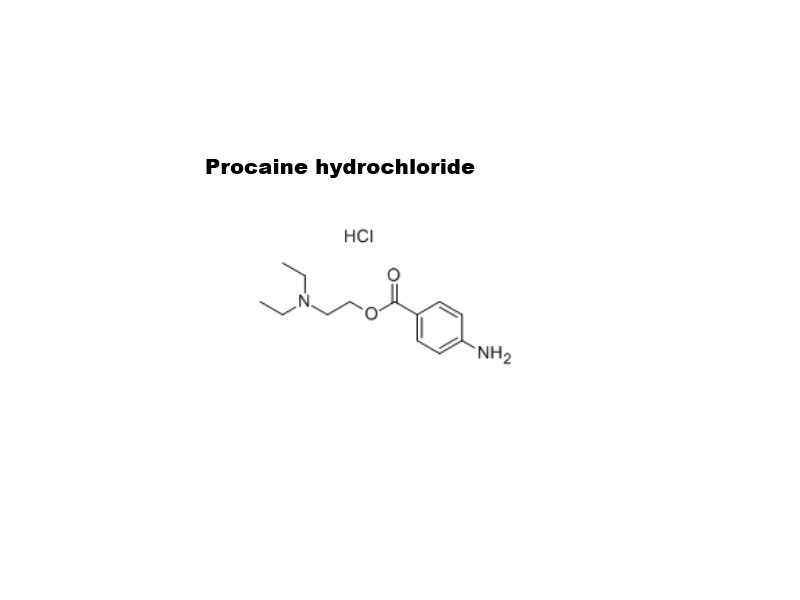
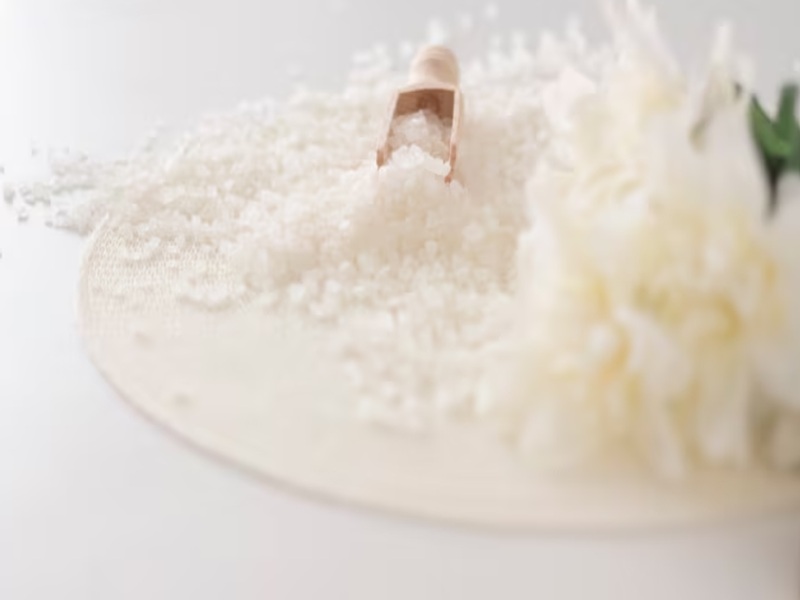
Cloridrato de Procaína CAS 51-05-8 é o sal cloridrato de procaína solúvel em água. É a formulação específica usada na medicina clínica, comercializada sob a famosa marca Procaína.NovocaínaEmbora seu uso na prática clínica tenha diminuído, continua sendo um medicamento historicamente fundamental e ainda é empregado em contextos médicos e terapêuticos específicos.
Nome :
Procaine hydrochlorideNº CAS. :
51-05-8MF :
C₁₃H₂₁ClN₂O₂MW :
272.77Pureza :
98%Aparência :
White crystalline powderCondição de armazenamento :
Stored in a cool, dry place away from lightPropriedades químicas
Nome químico:Cloridrato de 2-(dietilamino)etil 4-aminobenzoato
Nome IUPAC:Éster 2-(dietilamino)etílico do ácido 4-aminobenzoico; cloridrato
Número CAS:51-05-8
Fórmula molecular: C₁₃H₂₁ClN₂O₂
Peso molecular: 272,77 g/mol
Estrutura química: Consiste em uma molécula de procaína (um éster de ácido benzoico com um grupo dietilamino terminal) em uma forma salina com ácido clorídrico, resultando em um íon amônio carregado positivamente e um contra-íon cloreto. Essa forma salina é crucial para sua solubilidade e estabilidade em preparações farmacêuticas aquosas.
Aparência:Um pó branco cristalino ou cristais incolores.
Solubilidade: Muito solúvel em água, livremente solúvel em etanol. A formação de sal aumenta drasticamente sua solubilidade em água em comparação com a procaína base livre, tornando-a adequada para injeção.
Estabilidade:
Estável na forma seca e em soluções ácidas (pH ~3,5-5,0 para injeções).
A ligação éster continua sendo seu principal ponto de instabilidade. Ela sofre hidrólise em soluções neutras ou alcalinas, acelerada pelo calor, produzindo ácido para-aminobenzoico (PABA) e dietilaminoetanol.
As soluções devem ser esterilizadas por métodos que minimizem a exposição ao calor (por exemplo, filtração) e armazenadas protegidas da luz.
pKa: ~8,9 (do ácido conjugado). Em pH fisiológico (7,4), uma porção significativa existe na forma básica lipossolúvel e não carregada, permitindo a difusão através das bainhas nervosas, enquanto a forma catiônica carregada é ativa no receptor do canal de sódio.
Atividades Biológicas
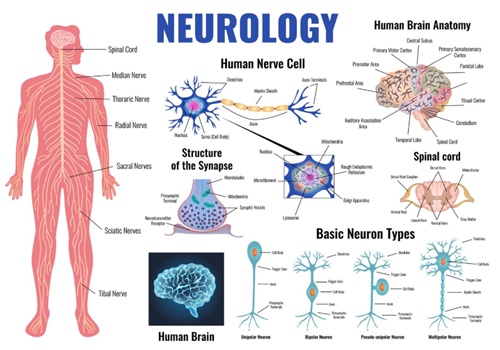
Mecanismo de ação:Bloqueador reversível dos canais de sódio. Difunde-se até a membrana neural e, em sua forma catiônica, liga-se aos receptores dentro dos canais de sódio dependentes de voltagem, inibindo o influxo de íons de sódio e prevenindo a despolarização e a propagação do potencial de ação, o que leva a uma perda reversível da sensação.
Farmacocinética:
Início:Início de ação relativamente lento em comparação com agentes modernos como a lidocaína.
Duração: Curta duração (30-60 minutos para anestesia por infiltração) devido à rápida hidrólise pelo plasma. pseudocolinesterasee significativo vasodilataçãono local da injeção, o que aumenta a absorção e a remoção vascular.
Metabolismo: Rapidamente hidrolisado no plasma por esterases em metabólitos. PABA(um alérgeno conhecido) edietilaminoetanol.
Perfil de toxicidade: Menor toxicidade sistêmica que a cocaína. Os efeitos adversos (SNC: tontura, tremores; Cardiovascular: hipotensão) geralmente estão associados a altas concentrações plasmáticas resultantes de injeção intravascular ou overdose. Reações alérgicas, embora raras, estão principalmente relacionadas à sensibilidade ao PABA ou a outros anestésicos do tipo éster.
Biossíntese
O cloridrato de procaína não é biossintetizado; ele é produzido por meio de...síntese química.
A síntese industrial padrão envolve:
1. Esterificação: Reação do ácido 4-aminobenzoico (PABA) com cloridrina de etileno (2-cloroetanol) para formar o intermediário éster, éster 2-cloroetílico do ácido 4-aminobenzoico.
2. Indicação: O intermediário cloro reage então com dietilamina para formar a base livre de procaína.
3. Formação de sal: A base de procaína é finalmente tratada com ácido clorídrico para precipitar a forma estável e solúvel em água. cloridrato de procaína.
Aplicações



Perguntas frequentes
Q1: Qual é a principal diferença entre a procaína (CAS 59-46-1) e o cloridrato de procaína (CAS 51-05-8)?
A1: A procaína é a base livre, um composto lipofílico com solubilidade limitada em água. O cloridrato de procaína é o sal cloridrato solúvel em águade procaína. Essa forma de sal é a utilizada em todas as formulações farmacêuticas injetáveis. Os números CAS são diferentes, confirmando que são entidades químicas distintas para fins regulatórios e de fornecimento.
Q2: O cloridrato de procaína (novocaína) ainda é comumente usado por dentistas?
A2: Na maioria dos países desenvolvidos, seu uso na odontologia convencional foi amplamente substituído por anestésicos do tipo amidaAssim como a lidocaína, a articaína e a mepivacaína. Esses agentes mais recentes têm início de ação mais rápido, duração mais longa e menor incidência de reações alérgicas. Ainda podem ser usados em casos ou regiões específicas.
Q3: Por que existe um aviso de alergia associado a medicamentos que contêm "caína", e isso se aplica à procaína?
A3: A verdadeira alergia a anestésicos locais é rara. No entanto, Anestésicos do tipo éster, como a procaína, são metabolizados em PABA.Reações alérgicas (como dermatite ou anafilaxia) são mais prováveis devido à sensibilidade ao PABA ou à própria estrutura do éster.Anestésicos do tipo amida (lidocaína, etc.) não produzem PABA e não apresentam reatividade cruzada com ésteres. tornando-os mais seguros para pacientes com alergias conhecidas a ésteres.
Q4: Por que a epinefrina é frequentemente adicionada às soluções de cloridrato de procaína?
A4: A procaína é um vasodilatador, aumentando o fluxo sanguíneo local e fazendo com que seja absorvida pela corrente sanguínea muito rapidamente. Epinefrina, um vasoconstritor, é adicionado a:
Prolongar O efeito anestésico ocorre pela redução do fluxo sanguíneo local.
Inferior a concentração sistêmica de procaína, reduzindo o risco de toxicidade.
Forneça um campo sem derramamento de sanguepara cirurgia.
Q5: Posso adquirir cloridrato de procaína (CAS 51-05-8) para fins de pesquisa?
A5: Sim, está facilmente disponível em fornecedores químicos e bioquímicos de boa reputação para fins legítimos. uso de pesquisa e desenvolvimentoOs compradores devem confirmar que cumprem todas as normas locais. É vendido como padrão de referência química ou farmacêutica. Não destinado ao uso terapêutico humano ou veterinário.A menos que devidamente licenciada e formulada.
Q6: Quais são as principais desvantagens que levaram à redução do seu uso?
A6: As principais limitações incluem: 1)Curta duração da ação, 2) Início mais lento comparado às amidas, 3) Potencial para reações alérgicas(Relacionado ao PABA), 4)Propriedade vasodilatadora, que requerem adjuvantes como a epinefrina, e 5) O desenvolvimento de alternativas superiores(amidas) com melhores perfis farmacocinéticos.
Cloridrato de Procaína CAS 51-05-8 é o sal cloridrato de procaína solúvel em água. É a formulação específica usada na medicina clínica, comercializada sob a famosa marca Procaína.NovocaínaEmbora seu uso na prática clínica tenha diminuído, continua sendo um medicamento historicamente fundamental e ainda é empregado em contextos médicos e terapêuticos específicos.
Detalhes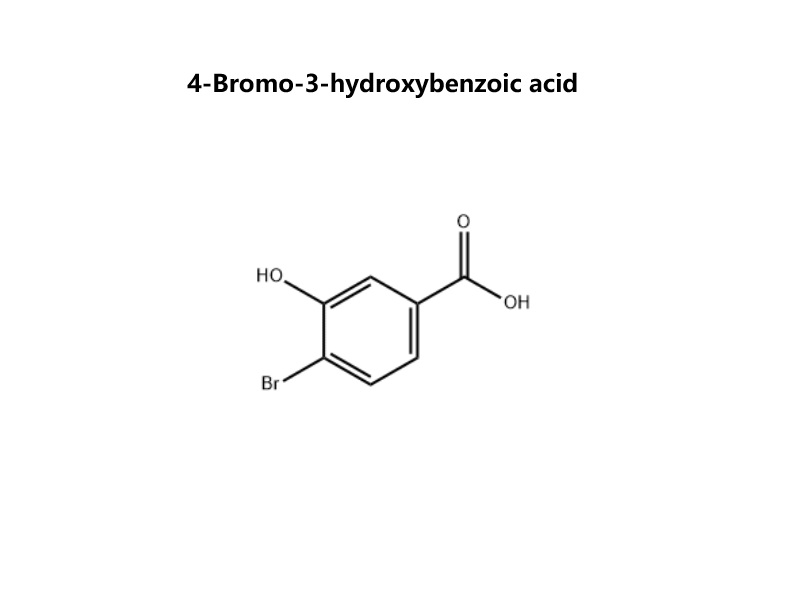
Ácido 4-bromo-3-hidroxibenzoico CAS 14348-38-0 é um Bloco de construção aromático multifuncional premium Projetada para síntese orientada à complexidade. Seu principal valor reside no posicionamento estratégico de três grupos funcionais distintos e ortogonalmente reativos em um anel benzênico, tornando-a uma ferramenta indispensável para a construção molecular convergente em pesquisa e desenvolvimento avançados.
Detalhes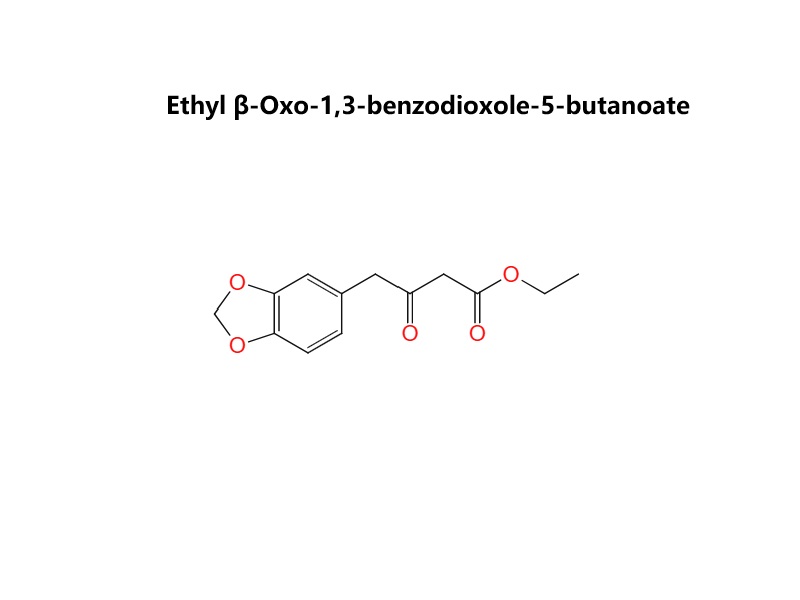
β-Oxo-1,3-benzodioxol-5-butanoato de etila CAS 31127-23-8 é um Derivado β-cetoéster apresentando um Sistema aromático 1,3-benzodioxol (metilenodioxifenil)Estruturalmente, consiste em um anel benzodioxol ligado por uma cadeia de três carbonos a um grupo funcional etil β-cetoéster (-CO-CH₂-COOEt). Isso o torna um bloco de construção bifuncional versátil Para síntese orgânica, combinando as propriedades eletrônicas do grupo benzodioxol com a alta reatividade de um β-cetoéster.
Detalhes![4-Nitrophenyl 3-(Benzo[d][1,3]dioxol-5-yl)-2-methylpropanoate](https://pt.qixiolivetol.com/storage/uploads/images/202604/17/1776427287_qZy87IjHSQ.jpg)
4-Nitrofenil 3-(Benzo[d][1,3]dioxol-5-il)-2-metilpropanoato é um agente acilante pré-ativado e quiralmente definido que combina um farmacóforo benzo[1,3]dioxol (piperonil) metabolicamente estável com a reatividade excepcional de um éster 4-nitrofenil. Permite a introdução eficiente e sem racemização de uma porção ácida quiral complexa em condições brandas, tornando-se indispensável para síntese química avançada e bioconjugação.4-Nitrofenil 3-(Benzo[d][1,3]dioxol-5-il)-2-metilpropanoato É um éster especial projetado como um intermediário bioquímico ou sintético reativo. Sua estrutura combina estrategicamente três unidades principais:(1)A Ácido 3-(benzo[1,3]dioxol-5-il)-2-metilpropanoico fração (ácido quiral substituído por piperonila).(2)A 4-nitrofenil éster saindo do grupo.Esse design o torna um éster ativado, onde o 4-nitrofenol é um excelente grupo de saída, facilitando reações de transferência de acila eficientes em condições brandas.
Detalhes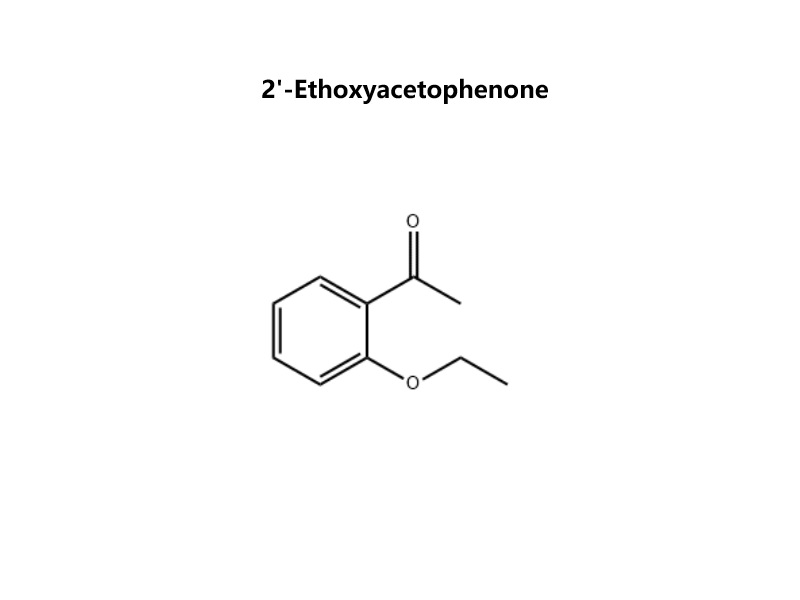
2'-Etoxiacetofenona CAS 2142-67-8 É uma cetona aromática especializada, caracterizada por um substituinte etóxi na posição orto em relação ao grupo acetil. Essa característica estrutural confere propriedades químicas e físicas distintas, tornando-a um bloco de construção privilegiado para a síntese de moléculas complexas, particularmente nos setores de aromas/fragrâncias e farmacêutico.
Detalhes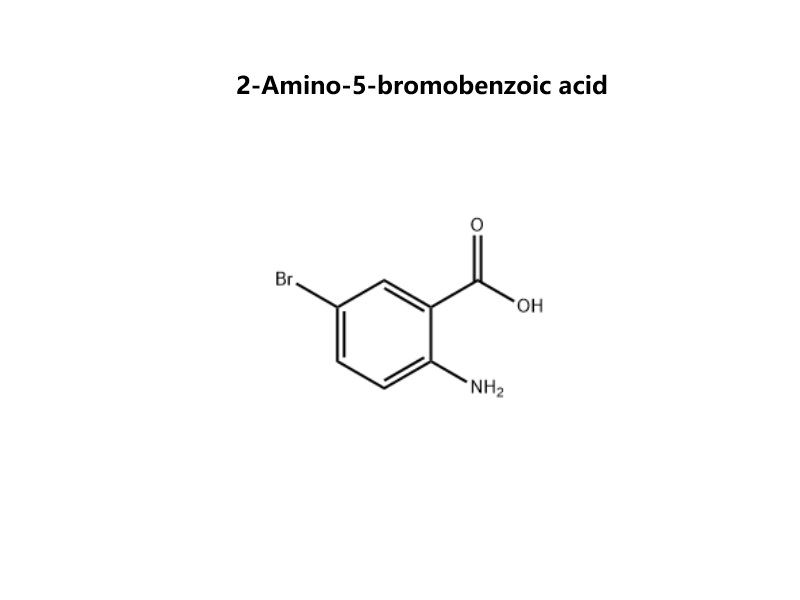
Ácido 2-amino-5-bromobenzoico CAS 5794-88-7 É um bloco de construção aromático altamente versátil que integra três grupos funcionais distintos — uma amina, um ácido carboxílico e um brometo de arila — em uma única estrutura sinteticamente valiosa. Essa multifuncionalidade o torna um intermediário crucial na química farmacêutica e de materiais avançados.
Detalhes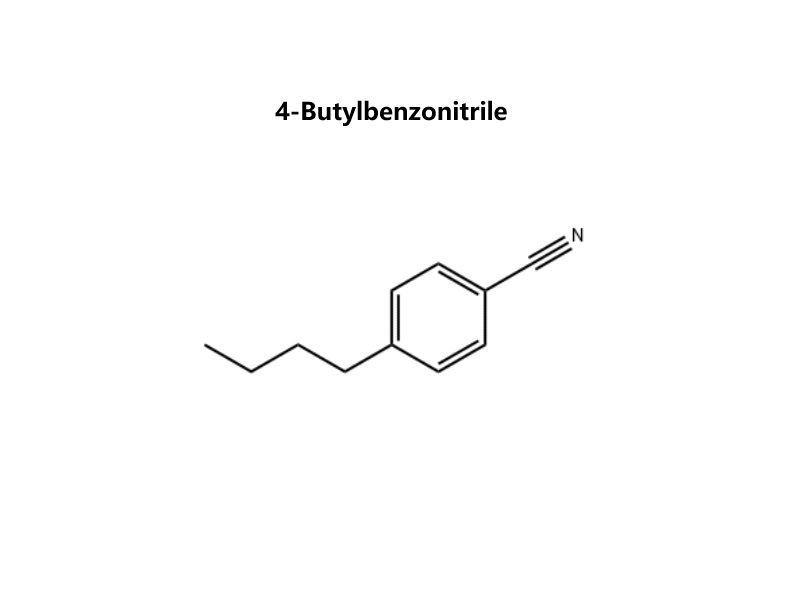
4-Butilbenzonitrila CAS 20651-73-4É um bloco de construção hidrofóbico estrategicamente projetado que combina um núcleo aromático rígido com uma cadeia alquílica linear flexível e um grupo funcional nitrila altamente versátil. Essa tríade de características o torna um intermediário excepcionalmente valioso para modular propriedades físico-químicas e viabilizar diversas vias sintéticas em pesquisas avançadas de materiais, produtos farmacêuticos e agroquímicos.
Detalhes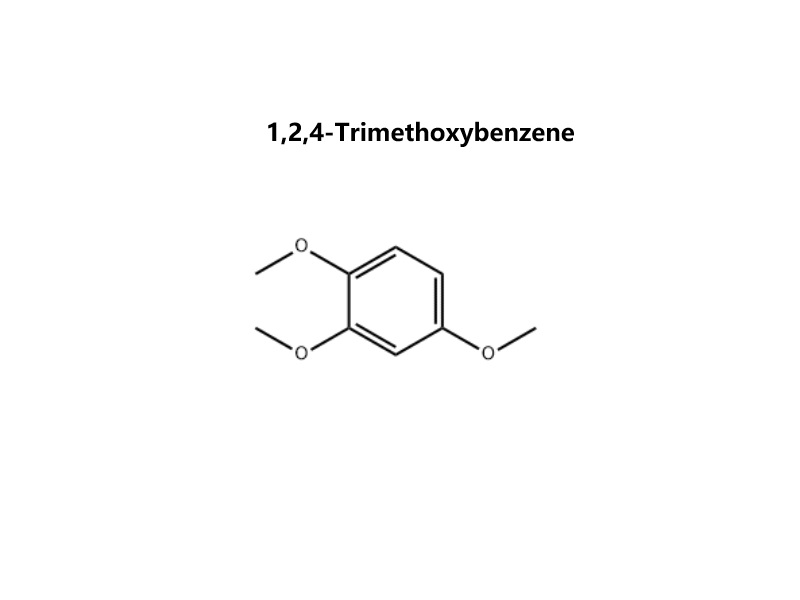
1,2,4-Trimetoxibenzeno CAS 135-77-3 É um bloco de construção aromático singularmente versátil e rico em elétrons. Seu principal valor reside em seu padrão de substituição assimétrico, porém altamente previsível, que proporciona um controle regioseletivo excepcional em síntese orgânica. Isso o torna uma estrutura privilegiada para a construção de moléculas complexas nas áreas farmacêutica, agroquímica e de materiais avançados.
Detalhes
 CONTATE-NOS
 1st Floor, No. 477, Huancheng West Road, Nanqiao Town, Fengxian District, Shanghai,China
 sales@qxscientific.com
 +86 -13701740203


 IPv6 SUPORTADO POR REDE
|
Mapa do site
|
XML |
Blogue |
política de Privacidade
IPv6 SUPORTADO POR REDE
|
Mapa do site
|
XML |
Blogue |
política de Privacidade
Deixe um recado
Scan to Wechat/Whatsapp :



 Português
 English
 Español
 Português