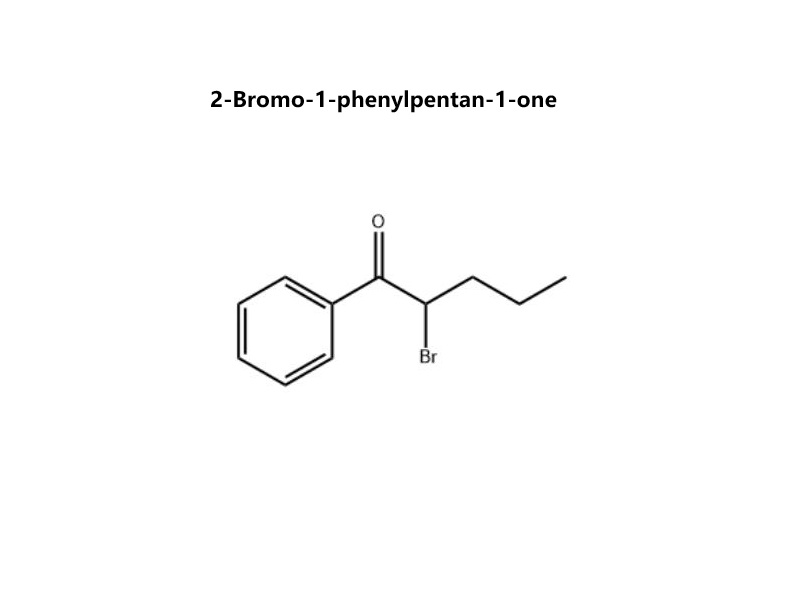
2-Bromo-1-phenylpentan-1-one CAS 49851-31-2 is an α-bromo aromatic ketone belonging to the class of α-halogenated alkyl aryl ketones. It is characterized by an elongated alkyl chain (pentyl) compared to its more common propiophenone analogs. This compound serves exclusively as a specialized and highly reactive synthetic intermediate in organic chemistry, and its possession and use are subject to stringent international controls due to its role as a precursor to controlled substances.
Nome :
2-Bromo-1-phenylpentan-1-oneNº CAS. :
49851-31-2MF :
C₁₁H₁₃BrOMW :
241.13Pureza :
99%Aparência :
Typically a pale yellow to amber-colored oily liquid or low-melting solid. May crystallize upon cooling or standing.Condição de armazenamento :
Must be stored refrigerated or frozen (-20°C) under an inert atmosphere (argon/nitrogen), protected from light and moisture.Chemical Properties
Chemical Name: 2-Bromo-1-phenylpentan-1-one
IUPAC Name: 2-Bromo-1-phenylpentan-1-one
CAS Registry Number: 49851-31-2
Molecular Formula: C₁₁H₁₃BrO
Molecular Weight: 241.13 g/mol
Chemical Structure: The molecule consists of a pentanone chain (5-carbon chain with a ketone) attached to a phenyl ring at the 1-position. The defining reactive feature is a bromine atom attached to the alpha carbon (the carbon adjacent to the carbonyl group).
Appearance: Typically a pale yellow to amber-colored oily liquid or low-melting solid. May crystallize upon cooling or standing.
Melting/Boiling Point: Data is less commonly reported than for shorter-chain analogs. It is expected to be a liquid at room temperature or have a low melting point (< 30°C).
Solubility: Soluble in all common organic solvents (dichloromethane, ether, ethyl acetate, acetone, DMF). Insoluble in water.
Stability: Highly unstable and reactive. As an α-bromo ketone, it is prone to:
Dehydrohalogenation: Loss of HBr to form the corresponding α,β-unsaturated ketone.
Hydrolysis: Conversion to the parent ketone (1-phenylpentan-1-one) and HBr.
Polymerization: Especially under heat or light exposure.
Storage Requirement: Must be stored refrigerated or frozen (-20°C) under an inert atmosphere (argon/nitrogen), protected from light and moisture. Shelf-life is limited.
Reactivity: The α-bromine is an excellent leaving group, making this compound a potent electrophile. It readily undergoes nucleophilic substitution reactions, most notably with amines to form aminoketones.
Biological Activities
2-Bromo-1-phenylpentan-1-one possesses no therapeutic biological activity itself. Its sole relevance is as a chemical precursor.
Intermediate Role: It is designed to be transformed. Its primary function in a biological context is to serve as a building block for synthesizing other compounds that may be screened for pharmacological activity.
Pharmacophore Link: The amine-substituted derivatives (e.g., cathinones) derived from such α-bromo ketones can have stimulant effects on the central nervous system, which is precisely why the precursor itself is strictly controlled.
Biosynthesis
This compound is not produced via biological pathways. It is synthesized through chemical synthesis on a laboratory scale.
Primary Synthetic Route: The standard method is the α-bromination of 1-phenylpentan-1-one (valerophenone).
Reagents: Bromine (Br₂) or N-Bromosuccinimide (NBS) are commonly used.
Conditions: Reaction is typically carried out in an anhydrous inert solvent (e.g., dichloromethane, chloroform) at low temperatures (0°C to room temperature), sometimes with catalytic initiation.
Precursor Synthesis: 1-Phenylpentan-1-one can be synthesized via Friedel-Crafts acylation of benzene with pentanoyl chloride.
Applications



FAQs
Q1: What is the difference between this compound and 2-bromopropiophenone (CAS 13057-72-2)?
A1: The core difference is the length of the alkyl chain. 2-Bromopropiophenone has a 3-carbon (propyl) chain, while this compound has a 5-carbon (pentyl) chain. This increases the lipophilicity (fat-solubility) and alters the physical properties (e.g., making it more oily). In terms of reactivity and regulatory status, they are analogous as α-bromo ketone precursors.
Q2: Is CAS 49851-31-2 legal to purchase for research?
A2: It is a strictly controlled substance in most jurisdictions. In the United States, it is a List I chemical under the Controlled Substances Act. In China, it is a Category I controlled precursor. In the EU and many other countries, it is similarly listed. Legal purchase requires:
A valid license/registration from the national drug control authority.
A demonstrable, legitimate need (e.g., forensic lab, licensed pharmaceutical research).
Adherence to strict reporting, storage, and security protocols. Unauthorized purchase or possession is a serious crime.
Q3: How should it be handled and disposed of safely?
A3:
Handling: Use only in a fume hood with full PPE: nitrile gloves, chemical-splash goggles, and a lab coat. It is a lachrymator and skin irritant.
Disposal: Must be treated as hazardous chemical waste. It cannot be poured down the drain. Consult your institution's Environmental Health and Safety (EHS) office for proper disposal as halogenated organic waste, in compliance with local regulations.
Q4: What purity and documentation can a legitimate supplier provide?
A4: A legitimate supplier (e.g., a certified reference material producer for forensic use) would provide:
Purity: Typically ≥95% to ≥98% for analytical standards, verified by GC-FID or HPLC.
Documentation: A Certificate of Analysis (CoA) with batch-specific data (chromatograms, NMR/IR confirmation) and a Safety Data Sheet (SDS). All transactions will have a complete audit trail.
Q5: Why is this specific compound so heavily regulated?
A5: It is a "direct precursor" whose chemical structure requires only a single, high-yield reaction (typically amination) to produce a potent psychoactive substance (a cathinone). Regulatory frameworks globally target such one-step precursors to disrupt illicit drug manufacturing at its source.
Disclaimer: This information is for forensic, regulatory, and chemical safety educational purposes only. 2-Bromo-1-phenylpentan-1-one (CAS 49851-31-2) is a controlled precursor chemical whose unauthorized manufacture, sale, or possession is illegal under international and national laws. This document does not constitute legal advice. All activities involving this substance must be conducted in full compliance with applicable laws by authorized entities.
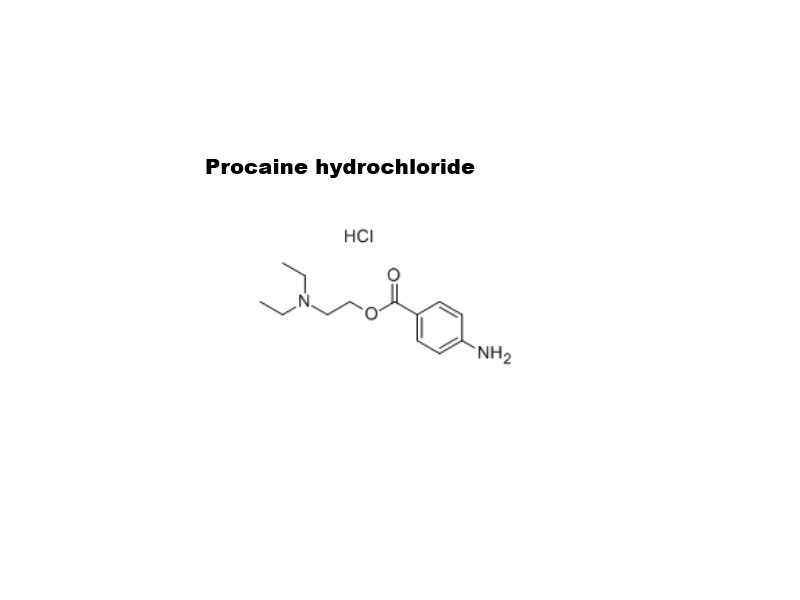
Cloridrato de Procaína CAS 51-05-8 é o sal cloridrato de procaína solúvel em água. É a formulação específica usada na medicina clínica, comercializada sob a famosa marca Procaína.NovocaínaEmbora seu uso na prática clínica tenha diminuído, continua sendo um medicamento historicamente fundamental e ainda é empregado em contextos médicos e terapêuticos específicos.
Detalhes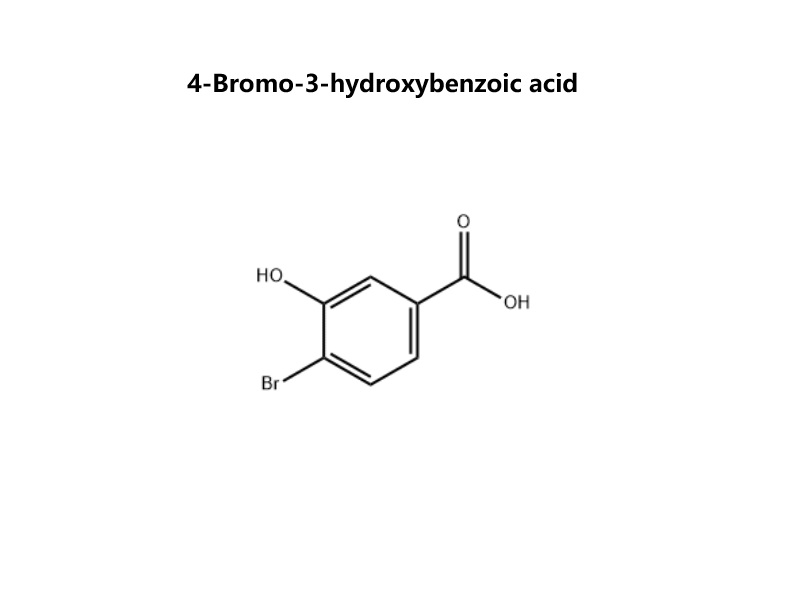
Ácido 4-bromo-3-hidroxibenzoico CAS 14348-38-0 é um Bloco de construção aromático multifuncional premium Projetada para síntese orientada à complexidade. Seu principal valor reside no posicionamento estratégico de três grupos funcionais distintos e ortogonalmente reativos em um anel benzênico, tornando-a uma ferramenta indispensável para a construção molecular convergente em pesquisa e desenvolvimento avançados.
Detalhes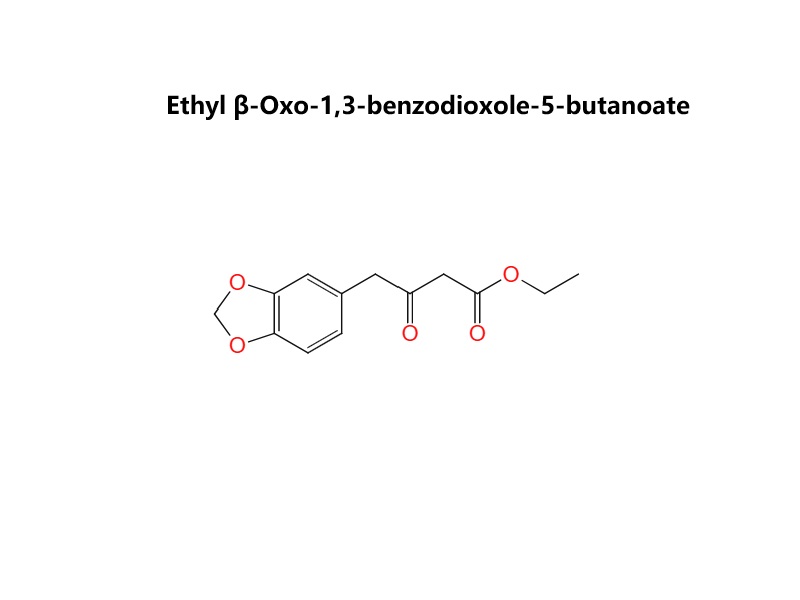
β-Oxo-1,3-benzodioxol-5-butanoato de etila CAS 31127-23-8 é um Derivado β-cetoéster apresentando um Sistema aromático 1,3-benzodioxol (metilenodioxifenil)Estruturalmente, consiste em um anel benzodioxol ligado por uma cadeia de três carbonos a um grupo funcional etil β-cetoéster (-CO-CH₂-COOEt). Isso o torna um bloco de construção bifuncional versátil Para síntese orgânica, combinando as propriedades eletrônicas do grupo benzodioxol com a alta reatividade de um β-cetoéster.
Detalhes![4-Nitrophenyl 3-(Benzo[d][1,3]dioxol-5-yl)-2-methylpropanoate](https://pt.qixiolivetol.com/storage/uploads/images/202604/17/1776427287_qZy87IjHSQ.jpg)
4-Nitrofenil 3-(Benzo[d][1,3]dioxol-5-il)-2-metilpropanoato é um agente acilante pré-ativado e quiralmente definido que combina um farmacóforo benzo[1,3]dioxol (piperonil) metabolicamente estável com a reatividade excepcional de um éster 4-nitrofenil. Permite a introdução eficiente e sem racemização de uma porção ácida quiral complexa em condições brandas, tornando-se indispensável para síntese química avançada e bioconjugação.4-Nitrofenil 3-(Benzo[d][1,3]dioxol-5-il)-2-metilpropanoato É um éster especial projetado como um intermediário bioquímico ou sintético reativo. Sua estrutura combina estrategicamente três unidades principais:(1)A Ácido 3-(benzo[1,3]dioxol-5-il)-2-metilpropanoico fração (ácido quiral substituído por piperonila).(2)A 4-nitrofenil éster saindo do grupo.Esse design o torna um éster ativado, onde o 4-nitrofenol é um excelente grupo de saída, facilitando reações de transferência de acila eficientes em condições brandas.
Detalhes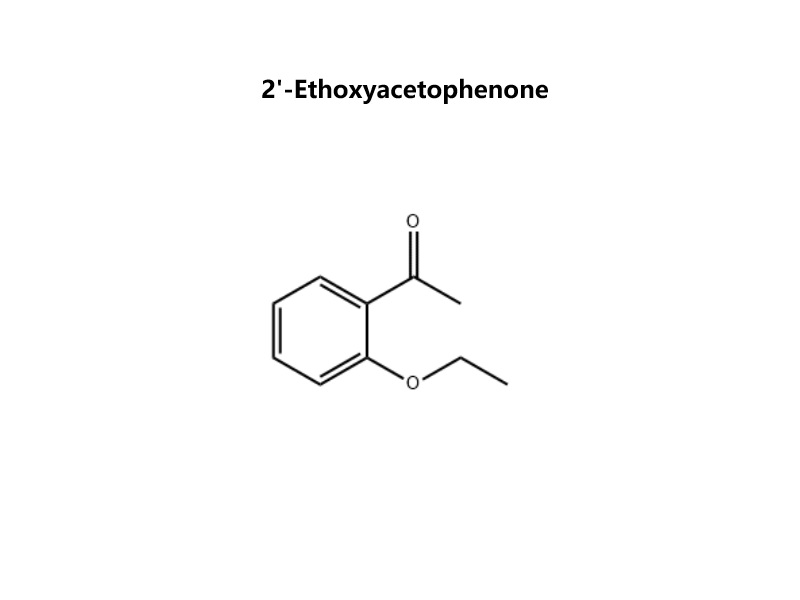
2'-Etoxiacetofenona CAS 2142-67-8 É uma cetona aromática especializada, caracterizada por um substituinte etóxi na posição orto em relação ao grupo acetil. Essa característica estrutural confere propriedades químicas e físicas distintas, tornando-a um bloco de construção privilegiado para a síntese de moléculas complexas, particularmente nos setores de aromas/fragrâncias e farmacêutico.
Detalhes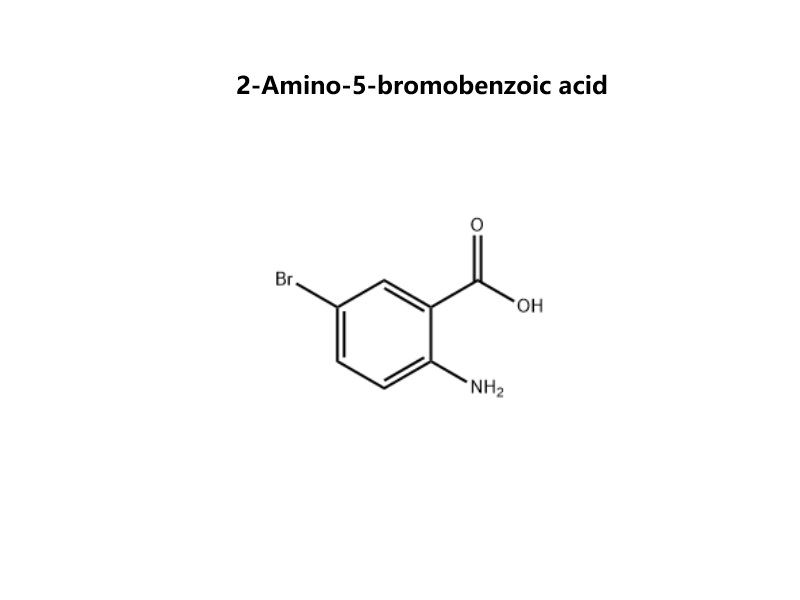
Ácido 2-amino-5-bromobenzoico CAS 5794-88-7 É um bloco de construção aromático altamente versátil que integra três grupos funcionais distintos — uma amina, um ácido carboxílico e um brometo de arila — em uma única estrutura sinteticamente valiosa. Essa multifuncionalidade o torna um intermediário crucial na química farmacêutica e de materiais avançados.
Detalhes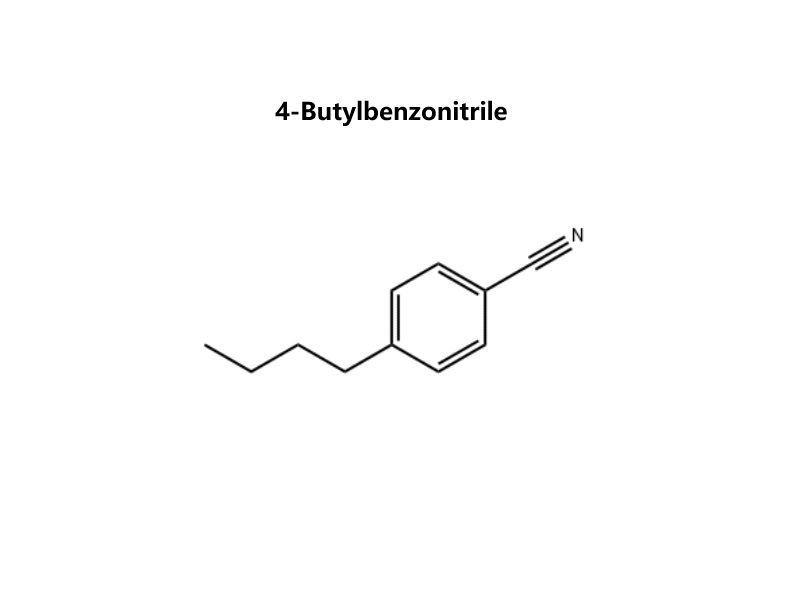
4-Butilbenzonitrila CAS 20651-73-4É um bloco de construção hidrofóbico estrategicamente projetado que combina um núcleo aromático rígido com uma cadeia alquílica linear flexível e um grupo funcional nitrila altamente versátil. Essa tríade de características o torna um intermediário excepcionalmente valioso para modular propriedades físico-químicas e viabilizar diversas vias sintéticas em pesquisas avançadas de materiais, produtos farmacêuticos e agroquímicos.
Detalhes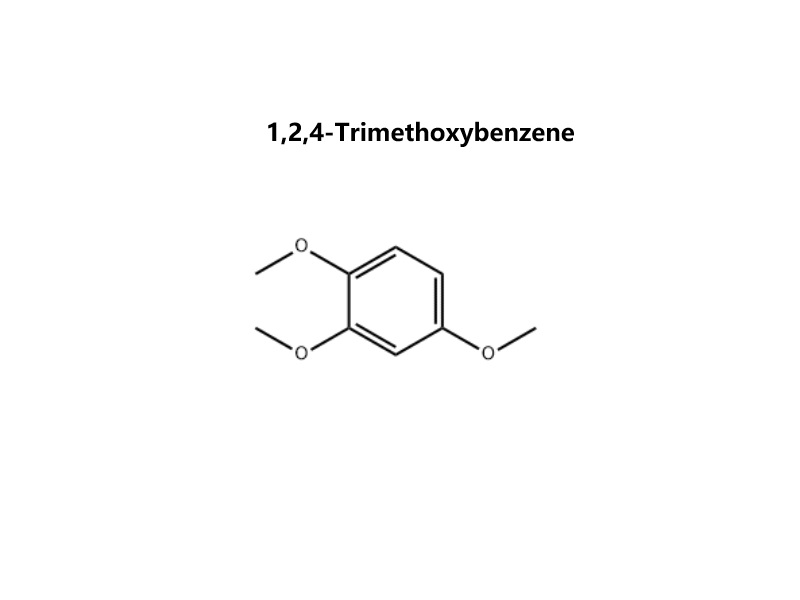
1,2,4-Trimetoxibenzeno CAS 135-77-3 É um bloco de construção aromático singularmente versátil e rico em elétrons. Seu principal valor reside em seu padrão de substituição assimétrico, porém altamente previsível, que proporciona um controle regioseletivo excepcional em síntese orgânica. Isso o torna uma estrutura privilegiada para a construção de moléculas complexas nas áreas farmacêutica, agroquímica e de materiais avançados.
Detalhes
 CONTATE-NOS
 1st Floor, No. 477, Huancheng West Road, Nanqiao Town, Fengxian District, Shanghai,China
 sales@qxscientific.com
 +86 -13701740203


 IPv6 SUPORTADO POR REDE
|
Mapa do site
|
XML |
Blogue |
política de Privacidade
IPv6 SUPORTADO POR REDE
|
Mapa do site
|
XML |
Blogue |
política de Privacidade
Deixe um recado
Scan to Wechat/Whatsapp :



 Português
 English
 Español
 Português