![4-Nitrophenyl 3-(Benzo[d][1,3]dioxol-5-yl)-2-methylpropanoate](https://pt.qixiolivetol.com/storage/uploads/images/202604/17/1776427287_qZy87IjHSQ.jpg)

4-Nitrofenil 3-(Benzo[d][1,3]dioxol-5-il)-2-metilpropanoato é um agente acilante pré-ativado e quiralmente definido que combina um farmacóforo benzo[1,3]dioxol (piperonil) metabolicamente estável com a reatividade excepcional de um éster 4-nitrofenil. Permite a introdução eficiente e sem racemização de uma porção ácida quiral complexa em condições brandas, tornando-se indispensável para síntese química avançada e bioconjugação.
4-Nitrofenil 3-(Benzo[d][1,3]dioxol-5-il)-2-metilpropanoato É um éster especial projetado como um intermediário bioquímico ou sintético reativo. Sua estrutura combina estrategicamente três unidades principais:
(1)A Ácido 3-(benzo[1,3]dioxol-5-il)-2-metilpropanoico fração (ácido quiral substituído por piperonila).
(2)A 4-nitrofenil éster saindo do grupo.
Esse design o torna um éster ativado, onde o 4-nitrofenol é um excelente grupo de saída, facilitando reações de transferência de acila eficientes em condições brandas.
Nome :
4-Nitrophenyl 3-(Benzo[d][1,3]dioxol-5-yl)-2-methylpropanoateMF :
C₁₇H₁₅NO₆MW :
329.31Pureza :
98%Aparência :
Typically a light yellow to off-white crystalline solid.Condição de armazenamento :
Store in a tightly sealed container under an inert atmosphere (argon/nitrogen) at -20°C or 2-8°C, and protect from light.Propriedades Químicas
Nome IUPAC: 4-Nitrofenil 3-(1,3-benzodioxol-5-il)-2-metilpropanoato
Fórmula molecular: C₁₇H₁₅NO₆
Peso molecular: 329,31 g/mol
Aparência: Geralmente um sólido cristalino de cor amarelo claro a branco-sujo.
Reatividade como um éster ativado:O Sua principal propriedade química é a alta reatividade de acilação.O grupo nitro, que atrai elétrons, presente no fenol torna o carbono carbonílico do éster altamente eletrofílico e o fenolato um grupo de saída estável. Ele reage prontamente com nucleófilos como aminas, álcoois ou tióis Formam amidas, ésteres ou tioésteres, liberando 4-nitrofenol (frequentemente visível como um cromóforo amarelo).
Solubilidade:Solúvel em solventes orgânicos comuns, como acetonitrila, dimetilformamida (DMF), dimetilsulfóxido (DMSO) e diclorometano. Possui solubilidade muito baixa em água.
Estabilidade: Estável no estado sólido quando armazenado corretamente. Em solução, especialmente na presença de nucleófilos ou umidade, sofrerá hidrólise ou reação. O grupo benzo[1,3]dioxol é estável em bases, mas pode ser clivado por ácidos fortes..
Quiralidade: A cadeia de propanoato contém um centro quiral na posição 2-metil. O composto pode ser fornecido como um racemato ou, se especificado, como um único enantiômero, o que é crucial para aplicações biológicas.
Atividades Biológicas
Este composto é não é tipicamente uma molécula final de medicamentomas um ferramenta ou precursor.
Sonda baseada em mecanismos: Sua principal utilidade biológica é como um agente acilanteEm pesquisa bioquímica, pode ser usado para modificar seletivamente os sítios ativos de enzimas (por exemplo, serina hidrolases, certas transferases) que possuem um nucleófilo reativo, atuando como um sonda de perfilamento de proteínas baseado em atividade (ABPP) ou precursor inibidor.
Potencial de pró-fármaco: O éster 4-nitrofenil pode servir como um estratégia de pró-fármaco, onde a clivagem enzimática ou química in vivo libera o fármaco ativo (o ácido carboxílico) e o grupo de saída benigno 4-nitrofenol.
Atividade inerente:Qualquer bioatividade inerente derivaria da porção ácida liberada (ácido 3-(benzo[1,3]dioxol-5-il)-2-metilpropanoico), que é um análogo estrutural de compostos que podem interagir com vias neurológicas ou metabólicas, embora este não seja seu uso principal.
Biossíntese
Não existe uma rota biossintética. É produzido por meio de síntese orgânica direcionada.
Uma via sintética padrão envolve:
1. Síntese do ácido: Preparação do ácido 3-(benzo[1,3]dioxol-5-il)-2-metilpropanoico, frequentemente via hidrogenação assimétrica ou resolução de um precursor.
2. Formação de Éster Ativado: Acoplamento do ácido carboxílico com 4-nitrofenol usando um agente de acoplamento como DCC (diciclohexilcarbodiimida) ou EDC (1-etil-3-(3-dimetilaminopropil)carbodiimida) em um solvente inerte como diclorometano ou THF.
Aplicações




Principais vantagens e benefícios
1. Transferência de acila de alta eficiência com monitoramento de reação integrado
Benefício: O O éster 4-nitrofenil é um excelente grupo de saída., facilitando a transferência rápida e limpa de acila para nucleófilos (aminas, álcoois) em temperatura ambiente ou abaixo dela. A liberação de ânion 4-nitrofenolatoProporciona uma cor amarela distinta, permitindo o monitoramento visual ou espectrofotométrico em tempo real da conclusão da reação.
Cenário de aplicação: No síntese em fase sólida de um peptídeo com estrutura restrita Para a descoberta de fármacos, um pesquisador precisa acilar uma amina ligada a uma resina com um ácido quiral sensível. Usando este éster pré-ativado em DMF com uma base fraca, o acoplamento atinge uma completude superior a 99% em 2 horas a 25 °C. A cor amarela na solução confirma o progresso da reação, eliminando a necessidade de reagentes de acoplamento agressivos que poderiam causar epimerização.
2. Preserva a integridade quiral durante o acoplamento
Benefício: Como um éster ativado pré-formado, ele elimina a necessidade de ativação in situ(por exemplo, através de cloretos de ácido ou reagentes de carbodiimida) sob condições que frequentemente promovem a racemização de ácidos carboxílicos α-substituídos. Isso garante a manutenção da pureza estereoquímica do produto final.
Cenário de aplicação: Um químico farmacêutico está sintetizando uma biblioteca de candidatos a amida quiral direcionados a um receptor acoplado à proteína G (GPCR)O centro quiral 2-metil é crucial para a atividade. Usando este éster ativado enantiomericamente puro (>99% ee), eles podem acoplá-lo a diversos fragmentos de amina com alto rendimento e sem perda de excesso enantiomérico, acelerando o estudo da relação estrutura-atividade (SAR).
3. Oferece um motivo bioativo "privilegiado"
Benefício: O 3-(benzo[1,3]dioxol-5-il)-2-metilpropanoatoO grupo é um bloco de construção sofisticado. O benzo[1,3]dioxol aumenta a lipofilicidade e a estabilidade metabólica, enquanto o grupo metil proporciona definição estérica. Este composto fornece todo esse fragmento otimizado em uma única etapa de acoplamento eficiente.
Cenário de aplicação: Ao desenvolver um pró-fármaco para um agente neurológicoOs cientistas conjugam o fármaco ativo (uma amina) a esse éster. O grupo piperonil lipofílico melhora a penetração na barreira hematoencefálica. Após a clivagem pela esterase in vivo, o fármaco ativo (amina) e o 4-nitrofenol benigno são liberados, enquanto o fragmento ácido pode oferecer benefícios metabólicos adicionais.
4. Ideal para sistemas sensíveis ou multifuncionais
Beneficiar:Seu perfil de reatividade permite acilações quimiosseletivas na presença de outros grupos funcionais moderadamente reativos. É mais seletivo do que agentes altamente reativos como cloretos de ácido e gera menos subprodutos e de menor complexidade do que acoplamentos mediados por carbodiimida.
Cenário de aplicação:Durante o bioconjugação de uma sonda fluorescente a uma proteína de direcionamentoPara que um resíduo de lisina seja acilado seletivamente, é necessário utilizar esse composto em um tampão aquoso-orgânico suave, o que permite uma marcação eficiente. O único subproduto, o 4-nitrofenol, é facilmente separado por filtração em gel ou diálise, evitando a contaminação com subprodutos de ureia comuns em outros métodos de acoplamento.
4-Nitrofenil 3-(Benzo[d][1,3]dioxol-5-il)-2-metilpropanoato é um Ferramenta sintética estratégica de alto desempenho em vez de um reagente de uso geral. Suas vantagens são mais pronunciadas em construção de moléculas complexas—particularmente em química medicinal e ciência de peptídeos—onde a preservação da quiralidade, o monitoramento de reações e a introdução eficiente de fragmentos moleculares sofisticados são cruciais. Embora os ésteres de NHS dominem a bioconjugação e os cloretos de ácido governem a síntese em larga escala, este composto preenche um nicho especializado: ele é o Escolha ideal para a incorporação em etapa única e de alta fidelidade de um derivado ácido quiral, lipofílico e metabolicamente robusto.em uma molécula alvo. Para o químico, isso representa uma garantia de integridade estereoquímica e simplicidade operacional em sequências sintéticas complexas.
Perguntas frequentes
Q1: Qual é a principal finalidade deste composto?
A: Seu principal objetivo é servir como um Bloco de construção sintético altamente reativo e pré-ativado. Isso permite que químicos e bioquímicos liguem facilmente o grupo "3-(benzo[1,3]dioxol-5-il)-2-metilpropanoato" a um nucleófilo (como uma amina) em condições brandas, o que é muito mais eficiente do que ativar o ácido carboxílico in situ.
Q2: Por que o grupo 4-nitrofenil é importante?
A: O O grupo 4-nitrofenil é um excelente grupo de saída.Isso torna esse éster significativamente mais reativo do que um éster alquílico padrão (como um éster metílico ou etílico). Isso significa que as reações com nucleófilos ocorrem mais rapidamente, em temperaturas mais baixas e, frequentemente, com rendimentos mais elevados. O 4-nitrofenol liberado também é fácil de detectar (cor amarela), sendo útil para monitorar o progresso da reação.
Q3: Como devo manusear e armazenar esse material?
A: Lidar com isso como um composto sensível à umidadeArmazene em um Armazene em recipiente hermeticamente fechado sob atmosfera inerte (argônio/nitrogênio) a -20 °C ou 2-8 °C, e proteja da luz.Utilize sempre solventes e ferramentas secas. Deixe o frasco atingir a temperatura ambiente em um dessecador antes de abri-lo para evitar condensação.
Q4: A quiralidade do composto é importante?
UM: Absolutamente, se você estiver desenvolvendo uma molécula bioativa.A atividade biológica do produto final pode depender inteiramente do enantiômero utilizado. Por favor, Confirme a especificação estereoquímica (racêmica, (R)- ou (S)-) com seu fornecedor. Antes de comprar, certifique-se de que atende às suas necessidades de pesquisa.
Q5: Você pode fornecer um procedimento de reação típico?
A: Uma amidação típica: Dissolva o composto e o nucleófilo amina (1,1-1,5 equivalentes) em um solvente seco e aprótico, como DMF anidro ou acetonitrila. Adicione uma base como N,N-diisopropiletilamina (DIPEA) ou trietilamina (1-2 equivalentes) para neutralizar o ácido 4-nitrofenólico liberado. Agite à temperatura ambiente ou aqueça suavemente (30-40 °C). A conclusão da reação é frequentemente indicada por uma mudança de cor e pode ser monitorada por CCD ou HPLC. Purifique o produto por métodos padrão.
Q6: De onde esse composto é normalmente obtido e qual o grau de pureza disponível?
A: É um Produtos químicos especiais para pesquisa Disponíveis em fornecedores focados em intermediários avançados, blocos de construção quirais e ferramentas bioquímicas (por exemplo, BOC Sciences, Ambeed, Combi-Blocks). Os níveis de pureza padrão para pesquisa variam de 95% a 98%+, com pureza quiral (ee) frequentemente >99%, se especificado.Solicite sempre o certificado de análise (CoA).
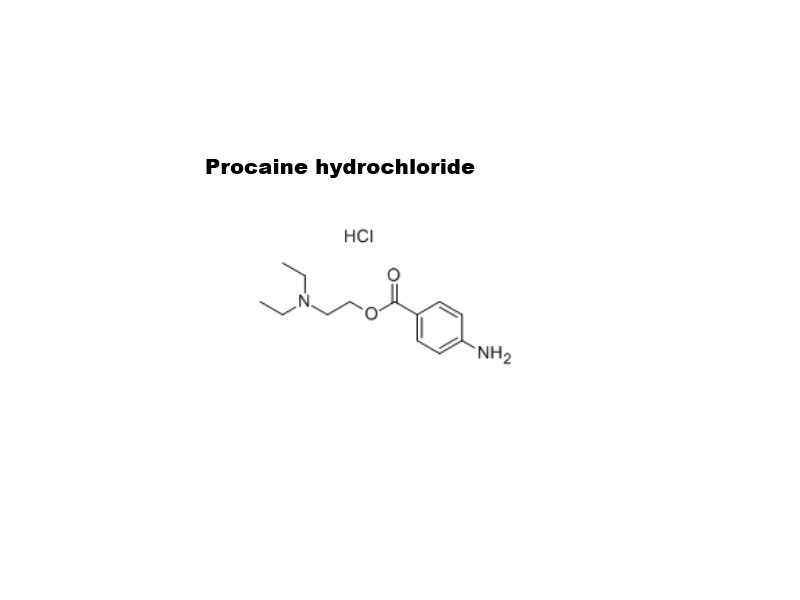
Cloridrato de Procaína CAS 51-05-8 é o sal cloridrato de procaína solúvel em água. É a formulação específica usada na medicina clínica, comercializada sob a famosa marca Procaína.NovocaínaEmbora seu uso na prática clínica tenha diminuído, continua sendo um medicamento historicamente fundamental e ainda é empregado em contextos médicos e terapêuticos específicos.
Detalhes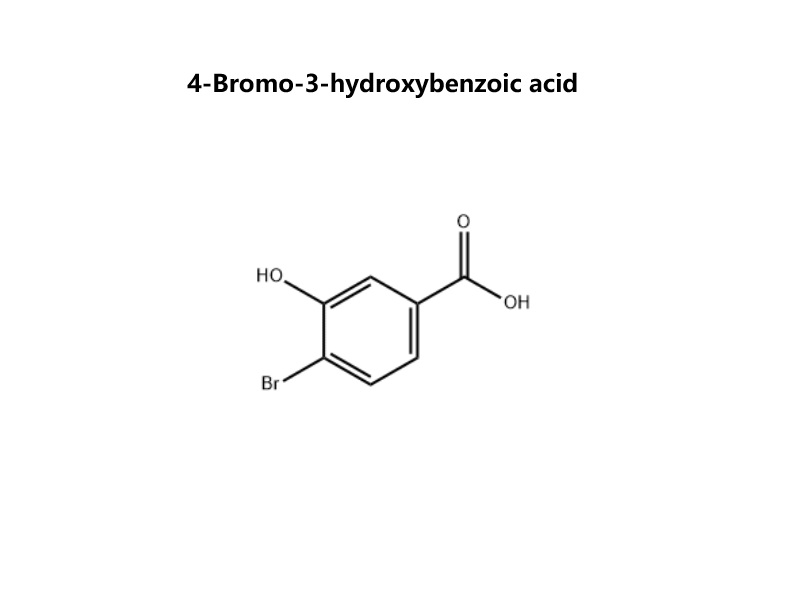
Ácido 4-bromo-3-hidroxibenzoico CAS 14348-38-0 é um Bloco de construção aromático multifuncional premium Projetada para síntese orientada à complexidade. Seu principal valor reside no posicionamento estratégico de três grupos funcionais distintos e ortogonalmente reativos em um anel benzênico, tornando-a uma ferramenta indispensável para a construção molecular convergente em pesquisa e desenvolvimento avançados.
Detalhes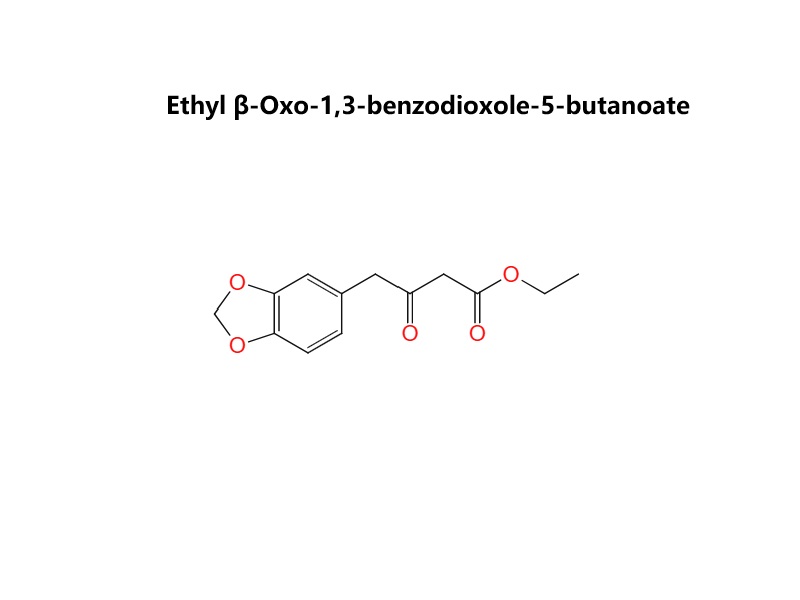
β-Oxo-1,3-benzodioxol-5-butanoato de etila CAS 31127-23-8 é um Derivado β-cetoéster apresentando um Sistema aromático 1,3-benzodioxol (metilenodioxifenil)Estruturalmente, consiste em um anel benzodioxol ligado por uma cadeia de três carbonos a um grupo funcional etil β-cetoéster (-CO-CH₂-COOEt). Isso o torna um bloco de construção bifuncional versátil Para síntese orgânica, combinando as propriedades eletrônicas do grupo benzodioxol com a alta reatividade de um β-cetoéster.
Detalhes
4-Nitrofenil 3-(Benzo[d][1,3]dioxol-5-il)-2-metilpropanoato é um agente acilante pré-ativado e quiralmente definido que combina um farmacóforo benzo[1,3]dioxol (piperonil) metabolicamente estável com a reatividade excepcional de um éster 4-nitrofenil. Permite a introdução eficiente e sem racemização de uma porção ácida quiral complexa em condições brandas, tornando-se indispensável para síntese química avançada e bioconjugação.4-Nitrofenil 3-(Benzo[d][1,3]dioxol-5-il)-2-metilpropanoato É um éster especial projetado como um intermediário bioquímico ou sintético reativo. Sua estrutura combina estrategicamente três unidades principais:(1)A Ácido 3-(benzo[1,3]dioxol-5-il)-2-metilpropanoico fração (ácido quiral substituído por piperonila).(2)A 4-nitrofenil éster saindo do grupo.Esse design o torna um éster ativado, onde o 4-nitrofenol é um excelente grupo de saída, facilitando reações de transferência de acila eficientes em condições brandas.
Detalhes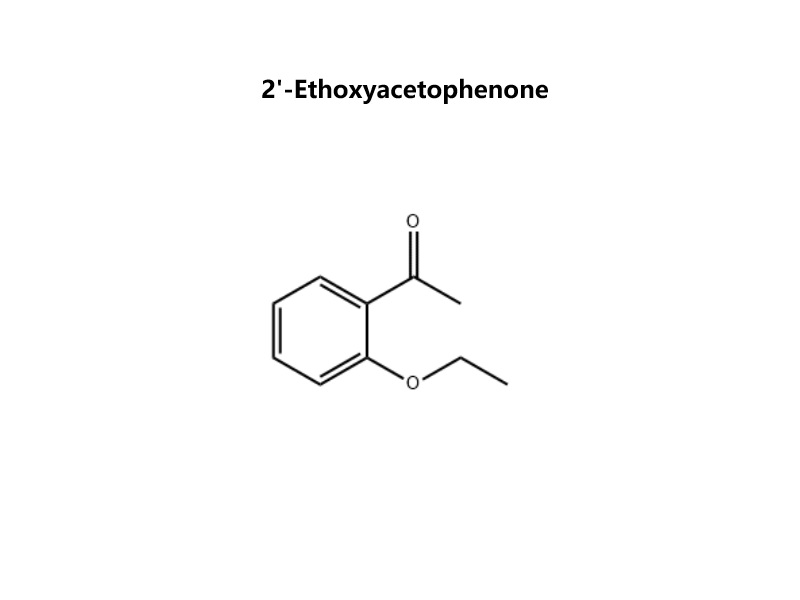
2'-Etoxiacetofenona CAS 2142-67-8 É uma cetona aromática especializada, caracterizada por um substituinte etóxi na posição orto em relação ao grupo acetil. Essa característica estrutural confere propriedades químicas e físicas distintas, tornando-a um bloco de construção privilegiado para a síntese de moléculas complexas, particularmente nos setores de aromas/fragrâncias e farmacêutico.
Detalhes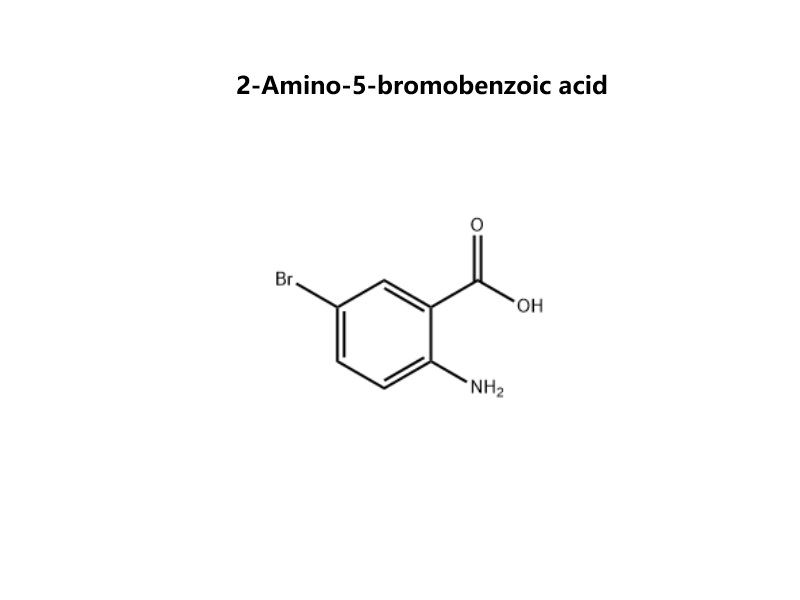
Ácido 2-amino-5-bromobenzoico CAS 5794-88-7 É um bloco de construção aromático altamente versátil que integra três grupos funcionais distintos — uma amina, um ácido carboxílico e um brometo de arila — em uma única estrutura sinteticamente valiosa. Essa multifuncionalidade o torna um intermediário crucial na química farmacêutica e de materiais avançados.
Detalhes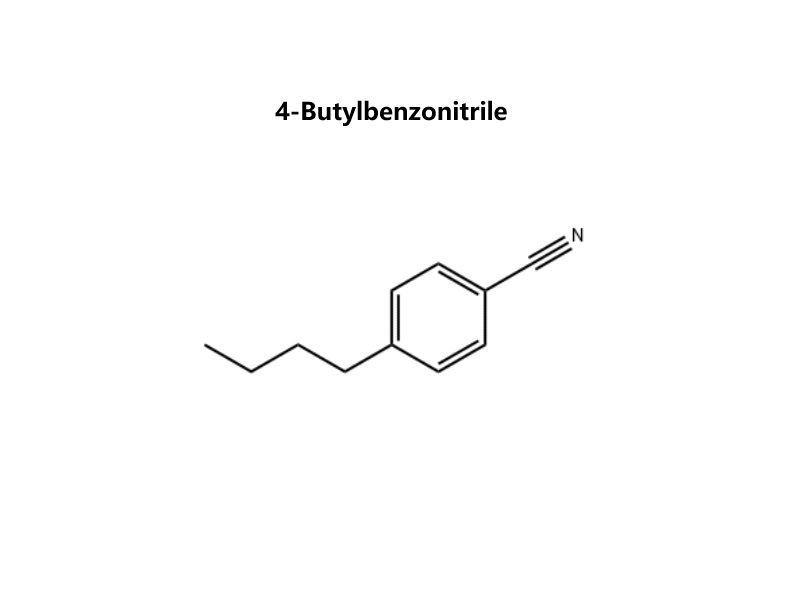
4-Butilbenzonitrila CAS 20651-73-4É um bloco de construção hidrofóbico estrategicamente projetado que combina um núcleo aromático rígido com uma cadeia alquílica linear flexível e um grupo funcional nitrila altamente versátil. Essa tríade de características o torna um intermediário excepcionalmente valioso para modular propriedades físico-químicas e viabilizar diversas vias sintéticas em pesquisas avançadas de materiais, produtos farmacêuticos e agroquímicos.
Detalhes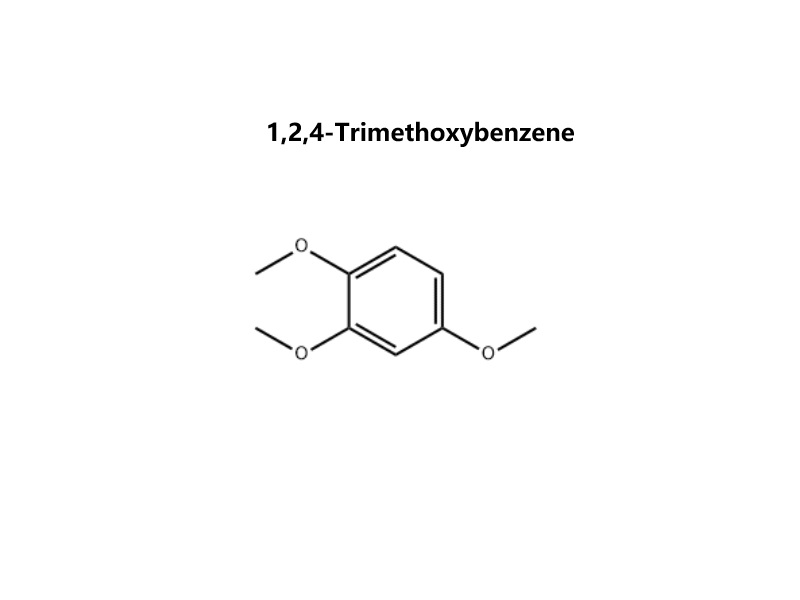
1,2,4-Trimetoxibenzeno CAS 135-77-3 É um bloco de construção aromático singularmente versátil e rico em elétrons. Seu principal valor reside em seu padrão de substituição assimétrico, porém altamente previsível, que proporciona um controle regioseletivo excepcional em síntese orgânica. Isso o torna uma estrutura privilegiada para a construção de moléculas complexas nas áreas farmacêutica, agroquímica e de materiais avançados.
Detalhes
 CONTATE-NOS
 1st Floor, No. 477, Huancheng West Road, Nanqiao Town, Fengxian District, Shanghai,China
 sales@qxscientific.com
 +86 -13701740203


 IPv6 SUPORTADO POR REDE
|
Mapa do site
|
XML |
Blogue |
política de Privacidade
IPv6 SUPORTADO POR REDE
|
Mapa do site
|
XML |
Blogue |
política de Privacidade
Deixe um recado
Scan to Wechat/Whatsapp :



 Português
 English
 Español
 Português