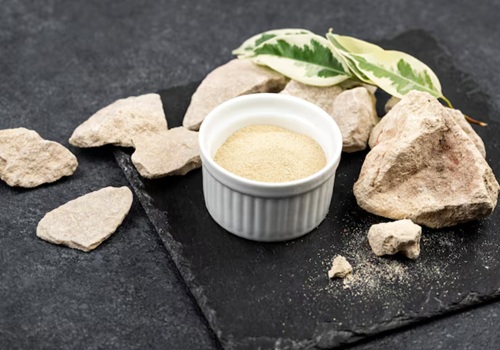
Ácido 4-bromo-3-hidroxibenzoico CAS 14348-38-0 é um Bloco de construção aromático multifuncional premium Projetada para síntese orientada à complexidade. Seu principal valor reside no posicionamento estratégico de três grupos funcionais distintos e ortogonalmente reativos em um anel benzênico, tornando-a uma ferramenta indispensável para a construção molecular convergente em pesquisa e desenvolvimento avançados.
Nome :
4-Bromo-3-hydroxybenzoic acidNº CAS. :
14348-38-0MF :
C₇H₅BrO₃MW :
217.02Pureza :
98%Aparência :
Typically an off-white to light beige or pinkish crystalline powder.Condição de armazenamento :
Store in a tightly sealed container, protected from light, in a cool, dry place (preferably at 2-8°C).Propriedades Químicas
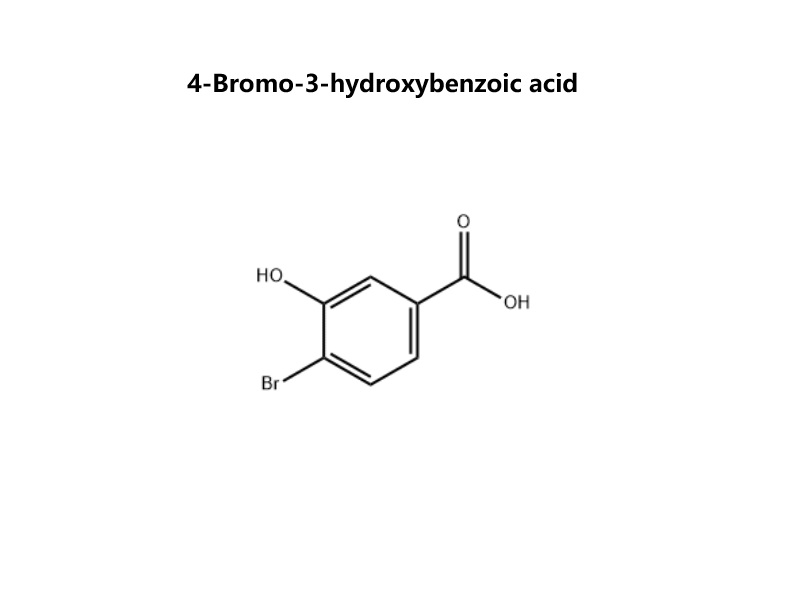
Nome IUPAC:Ácido 4-bromo-3-hidroxibenzoico
Sinônimos comuns: Ácido 3-hidroxi-4-bromobenzoico
Fórmula molecular: C₇H₅BrO₃
Peso molecular: 217,02 g/mol
Número de registro CAS: 14348-38-0
Estrutura química: Um derivado do ácido benzoico com um átomo de bromo na posição para e um grupo hidroxila fenólica na posição meta, em relação ao grupo ácido carboxílico. Isso cria um bloco de construção aromático bifuncional versátil com três sítios reativos distintos.
Aparência: Geralmente, trata-se de um pó cristalino de cor branca a bege claro ou rosado.
Ponto de fusão: ~218-222 °C (pode ocorrer decomposição).
Solubilidade:
Solúvel em: Solventes orgânicos polares (por exemplo, metanol, etanol, dimetilformamida (DMF), dimetilsulfóxido (DMSO)) e bases aquosas (devido à desprotonação do ácido e do fenol).
Pouco solúvel em: Solventes orgânicos apolares (ex.: hexano, tolueno) e água em condições ácidas.
Acidez: Possui dois prótons ácidos (pKa₁ ~4 para o ácido carboxílico, pKa₂ ~9 para o fenol), permitindo a desprotonação seletiva.
Reatividade chave:
Ácido carboxílico (-COOH): Pode sofrer reações típicas como esterificação, acoplamento amídico (por exemplo, com EDC/DCC) e redução a álcool.
Fenólico -OH: Pode ser alquilado, acilado ou participar de ligações de hidrogênio e quelação de metais.
Brometo de arila (-Br): Relativamente inerte em condições básicas, mas altamente suscetível a reações de acoplamento cruzado catalisadas por paládio (ex.: Suzuki, Heck, Sonogashira) para formação de ligações C-C. Esta é a sua característica sintética mais valiosa.
Atividades Biológicas
O composto em si é principalmente um intermediário sintético. A atividade biológica geralmente está associada aos seus derivados:
Antimicrobiano/Antifúngico: Alguns de seus derivados ésteres, amidas e complexos mostraram atividade modesta em triagens.
Inibição Enzimática: Serve como estrutura central no desenvolvimento de inibidores para diversas enzimas, onde os grupos bromo e hidroxila contribuem para a ligação ao alvo.
Metabólito e sonda: Pode ser encontrado como um metabólito ou usado como padrão em estudos analíticos de compostos aromáticos bromados.
Biossíntese
Não se sabe que o ácido 4-bromo-3-hidroxibenzoico seja produzido comercialmente por vias biológicas. Ele é sintetizado quimicamente por meio de diversos métodos laboratoriais padrão:
(1)Bromação do ácido 3-hidroxibenzoico: Bromação aromática eletrofílica direta usando bromo (Br₂) ou N-bromosuccinimida (NBS) em um solvente adequado (por exemplo, ácido acético, DMF), frequentemente exigindo controle cuidadoso da regioseletividade e da estequiometria.
(2) Hidrólise de precursores funcionalizados: Hidrólise de ésteres (ex.: 4-bromo-3-hidroxibenzoato de metila) ou nitrilas derivadas de fenóis pré-bromados.
(3) Diazotização/Bromação: Partindo do ácido 4-amino-3-hidroxibenzoico através da formação de sal de diazônio e subsequente bromação do tipo Sandmeyer.
Aplicações



Principais vantagens e benefícios
1. Sinergia trifuncional para síntese convergente:
Benefício: Possui três alças reativas independentes (COOH, Br, OH) que pode ser modificado de forma controlada e sequencial. Isso possibilita síntese convergente altamente eficientede alvos complexos a partir de um único material inicial simples.
Cenário de aplicação: Na descoberta de medicamentos, um químico medicinal pode:
(1) Casal o ácido com um esqueleto de amina primária através da formação de ligação amida.
(2) Realizar uma reação de Suzuki no bromo para instalar um fragmento biarílico para potência/seletividade.
(3)Alquilar ou acilar o fenol para otimizar a solubilidade e a estabilidade metabólica. Essa diversificação sequencial gera rapidamente uma biblioteca focada a partir de um núcleo.
2. O brometo de arila como um "grupo molecular" versátil:
Benefício: O átomo de bromo não é apenas um substituinte; é um Acesso direto à formação de títulos CCpor meio de reações de acoplamento cruzado catalisadas por paládio confiáveis e de alto rendimento (Suzuki, Heck, Sonogashira). Isso transforma a molécula de um produto final em um intermediário fundamental para a expansão estrutural.
Cenário de aplicação:Um cientista de materiais pode usar esse composto em um Polimerização de SuzukiCom um éster diborônico, cria-se um novo copolímero conjugado, no qual os grupos hidroxila e ácido fornecem funcionalidades pendentes para ajuste de solubilidade ou modificação pós-polimerização.
3. Reatividade Ortogonal e Estratégia de Grupo Protetor:
Benefício: O ácido carboxílico (reage com nucleófilos) e fenol (Reagem com eletrófilos/ácidos) possuem químicas complementares. Sua reatividade pode ser controlada independentemente usando grupos protetores padrão (por exemplo, éster metílico para -COOH, éter benzílico para -OH), permitindo um controle sintético preciso.
Cenário de aplicação: Sintetizando um ligante quelanteUm pesquisador pode proteger o fenol, acoplar o ácido a uma estrutura de amina, desproteger o fenol e, finalmente, usar o bromo em um acoplamento cruzado para ligar um fluoróforo, criando um sensor de metal multifuncional.
4. Local de Coordenação e Polaridade Integrados:
Benefício: Os grupos hidroxila e carboxila com orientação meta podem atuar em conjunto como um ligante bidentado doador de O,O, facilitando a síntese de complexos metálicos diretamente ou após pequenas modificações. A polaridade conferida por esses grupos também melhora a cristalinidade e auxilia na purificação.
Cenário de aplicação: Pode servir como um precursor direto para ligantes do tipo salicilatopara centros metálicos catalíticos. O bromo permite uma maior elaboração da periferia do ligante para criar ambientes catalíticos ajustados estérica ou eletronicamente.
Ácido 4-bromo-3-hidroxibenzoico não é meramente um ácido benzoico substituído; é um plataforma de síntese estrategicamente projetadaSeu valor superior em relação a análogos mais simples reside em sua natureza trifuncional e na relação meta-exclusiva de seus grupos polares, que proporcionam flexibilidade incomparável para síntese paralela e sequencial. Para pesquisadores que buscam construir complexidade molecular de forma eficiente, explorar relações estrutura-atividade (SAR) ou criar materiais multifuncionais, este composto oferece uma vantagem crucial em termos de eficiência sintética e liberdade de design.
Perguntas frequentes
Q1: Qual é a principal vantagem de usar esse ácido benzoico bromado específico?
A1: Sua principal vantagem é a multifuncionalidade com reatividade ortogonalÉ possível realizar acoplamento cruzado catalisado por metal no bromo, modificar o ácido em ésteres/amidas e funcionalizar o fenol — tudo de forma independente ou sequencial. Isso o torna uma estrutura altamente versátil para síntese paralela e combinatória de bibliotecas na descoberta de fármacos.
Q2: O átomo de bromo é estável sob condições típicas de acoplamento amídico para o ácido?
A2: Em geral, sim.Reagentes de acoplamento peptídico padrão, como EDC, DCC, HATU ou T3P, na presença de bases como DMAP ou DIPEA, são compatíveis com o brometo de arila. No entanto, altas temperaturas e condições fortemente nucleofílicas devem ser evitadas para prevenir o possível deslocamento do brometo.
Q3: Como devo armazenar este composto e qual é o seu prazo de validade típico?
A3: Armazene em um Recipiente hermeticamente fechado, protegido da luz, em local fresco e seco (de preferência entre 2 e 8 °C).Nessas condições, o composto permanece estável por vários anos. Ele pode sofrer descoloração (amarelo/rosa) ao longo do tempo quando exposto à luz ou ao ar, mas isso geralmente não afeta significativamente sua reatividade em reações de acoplamento.
Q4: Você pode recomendar um solvente para um acoplamento de Suzuki eficiente com este substrato?
A4: Os sistemas de solventes comuns e eficazes incluem:
Dioxano/Água ou Tolueno/Etanol/Água misturas com bases como K₂CO₃ ou Cs₂CO₃.
DMF ou DME Também são adequadas para muitos protocolos catalisados por Pd.
Dica: Certifique-se de que o composto esteja completamente dissolvido (pode ser necessário aquecimento suave ou o uso de DMF) para condições de reação homogêneas e rendimentos de acoplamento ideais.
Q5: Este produto está disponível em grandes quantidades para desenvolvimento de processos?
A5: Sim, está disponível comercialmente em diversos fornecedores de produtos químicos finos, em escala de gramas a vários quilogramas. Para compras em grandes quantidades (acima de 1 kg), recomenda-se entrar em contato diretamente com os fornecedores para obter orçamentos personalizados e prazos de entrega.
Q6: Que dados analíticos devo esperar para confirmar a pureza e a identidade?
A6: Um fornecedor confiável deve fornecer um Certificado de Análise (CoA) incluindo:
Pureza: ≥97% (por HPLC ou RMN).
Espectro de RMN de ¹H: Sinais característicos dos prótons aromáticos em um padrão distinto (frequentemente um sistema ABX).
Faixa de ponto de fusão.
Dados FT-IR: Confirmação da presença de bandas de estiramento largas de -OH (ácido e fenol) e carbonila (C=O).
Q7: Existem alternativas mais seguras ou mais facilmente disponíveis se eu precisar apenas da funcionalidade do ácido carboxílico?
A7: Se o O bromo não é essencial. Para sua síntese, considere usar ácido 3-hidroxibenzoico(CAS 99-06-9), que é mais barato e mais facilmente disponível. No entanto, se você precisar de um sítio para acoplamento cruzado subsequente para construir complexidade molecular, o átomo de bromo neste composto é uma característica crítica e valiosa.
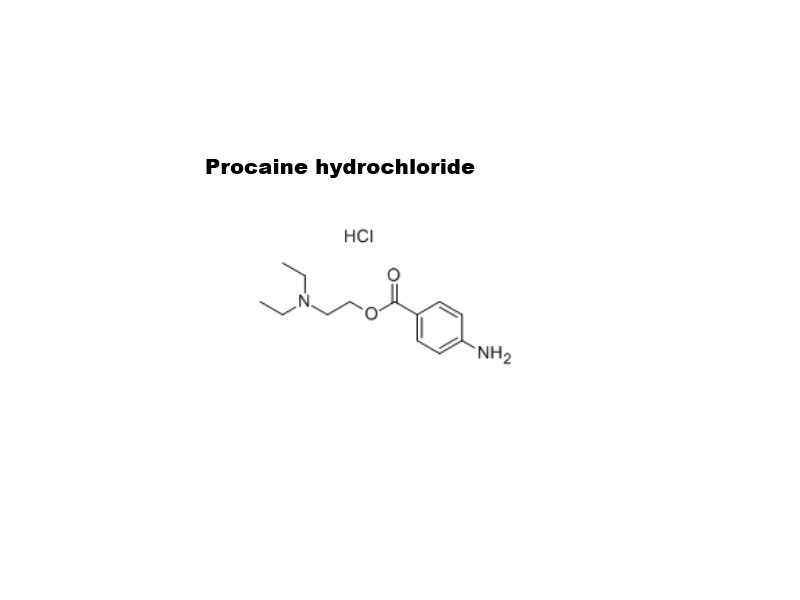
Cloridrato de Procaína CAS 51-05-8 é o sal cloridrato de procaína solúvel em água. É a formulação específica usada na medicina clínica, comercializada sob a famosa marca Procaína.NovocaínaEmbora seu uso na prática clínica tenha diminuído, continua sendo um medicamento historicamente fundamental e ainda é empregado em contextos médicos e terapêuticos específicos.
Detalhes
Ácido 4-bromo-3-hidroxibenzoico CAS 14348-38-0 é um Bloco de construção aromático multifuncional premium Projetada para síntese orientada à complexidade. Seu principal valor reside no posicionamento estratégico de três grupos funcionais distintos e ortogonalmente reativos em um anel benzênico, tornando-a uma ferramenta indispensável para a construção molecular convergente em pesquisa e desenvolvimento avançados.
Detalhes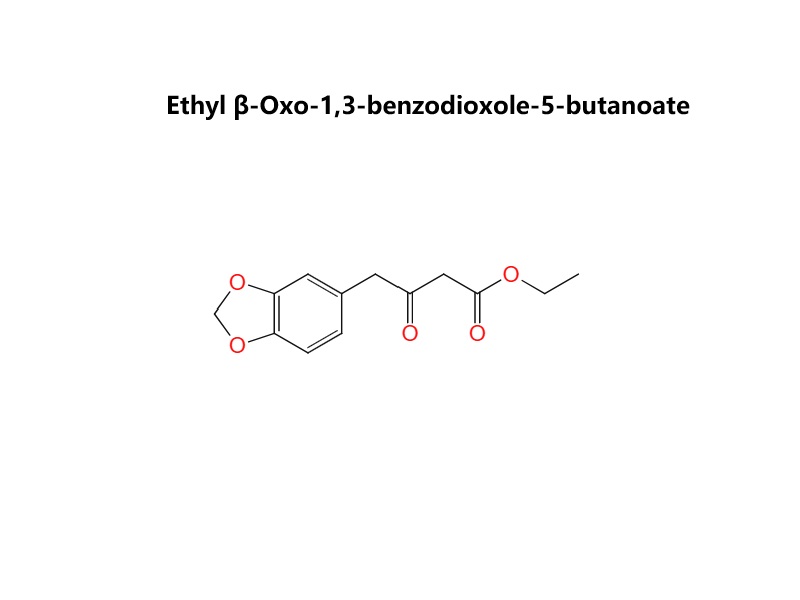
β-Oxo-1,3-benzodioxol-5-butanoato de etila CAS 31127-23-8 é um Derivado β-cetoéster apresentando um Sistema aromático 1,3-benzodioxol (metilenodioxifenil)Estruturalmente, consiste em um anel benzodioxol ligado por uma cadeia de três carbonos a um grupo funcional etil β-cetoéster (-CO-CH₂-COOEt). Isso o torna um bloco de construção bifuncional versátil Para síntese orgânica, combinando as propriedades eletrônicas do grupo benzodioxol com a alta reatividade de um β-cetoéster.
Detalhes![4-Nitrophenyl 3-(Benzo[d][1,3]dioxol-5-yl)-2-methylpropanoate](https://pt.qixiolivetol.com/storage/uploads/images/202604/17/1776427287_qZy87IjHSQ.jpg)
4-Nitrofenil 3-(Benzo[d][1,3]dioxol-5-il)-2-metilpropanoato é um agente acilante pré-ativado e quiralmente definido que combina um farmacóforo benzo[1,3]dioxol (piperonil) metabolicamente estável com a reatividade excepcional de um éster 4-nitrofenil. Permite a introdução eficiente e sem racemização de uma porção ácida quiral complexa em condições brandas, tornando-se indispensável para síntese química avançada e bioconjugação.4-Nitrofenil 3-(Benzo[d][1,3]dioxol-5-il)-2-metilpropanoato É um éster especial projetado como um intermediário bioquímico ou sintético reativo. Sua estrutura combina estrategicamente três unidades principais:(1)A Ácido 3-(benzo[1,3]dioxol-5-il)-2-metilpropanoico fração (ácido quiral substituído por piperonila).(2)A 4-nitrofenil éster saindo do grupo.Esse design o torna um éster ativado, onde o 4-nitrofenol é um excelente grupo de saída, facilitando reações de transferência de acila eficientes em condições brandas.
Detalhes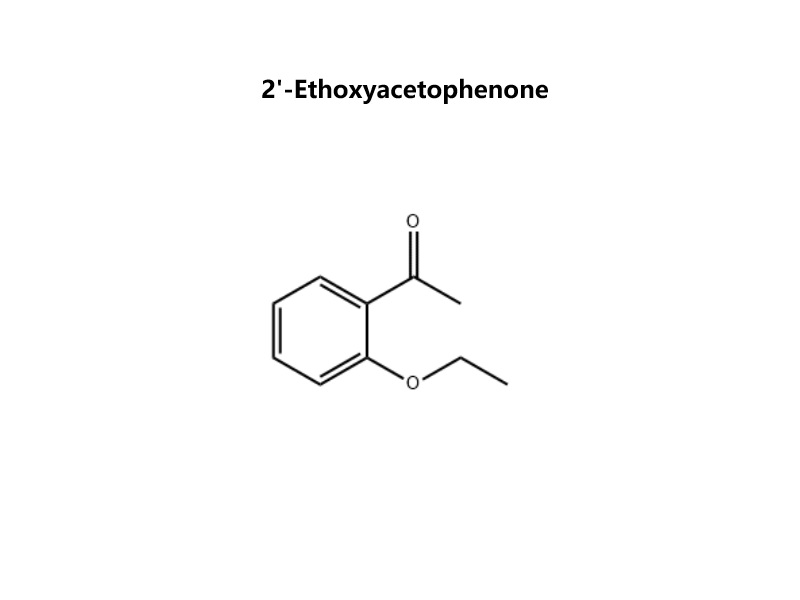
2'-Etoxiacetofenona CAS 2142-67-8 É uma cetona aromática especializada, caracterizada por um substituinte etóxi na posição orto em relação ao grupo acetil. Essa característica estrutural confere propriedades químicas e físicas distintas, tornando-a um bloco de construção privilegiado para a síntese de moléculas complexas, particularmente nos setores de aromas/fragrâncias e farmacêutico.
Detalhes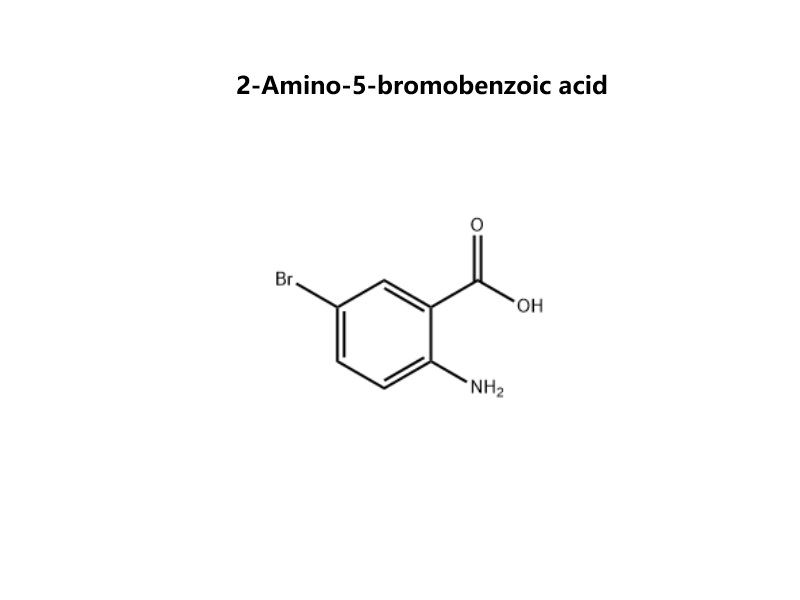
Ácido 2-amino-5-bromobenzoico CAS 5794-88-7 É um bloco de construção aromático altamente versátil que integra três grupos funcionais distintos — uma amina, um ácido carboxílico e um brometo de arila — em uma única estrutura sinteticamente valiosa. Essa multifuncionalidade o torna um intermediário crucial na química farmacêutica e de materiais avançados.
Detalhes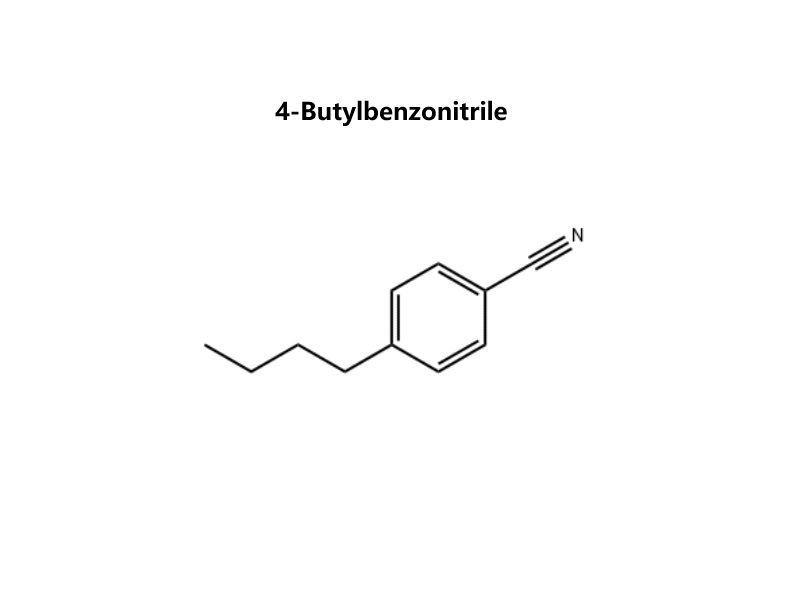
4-Butilbenzonitrila CAS 20651-73-4É um bloco de construção hidrofóbico estrategicamente projetado que combina um núcleo aromático rígido com uma cadeia alquílica linear flexível e um grupo funcional nitrila altamente versátil. Essa tríade de características o torna um intermediário excepcionalmente valioso para modular propriedades físico-químicas e viabilizar diversas vias sintéticas em pesquisas avançadas de materiais, produtos farmacêuticos e agroquímicos.
Detalhes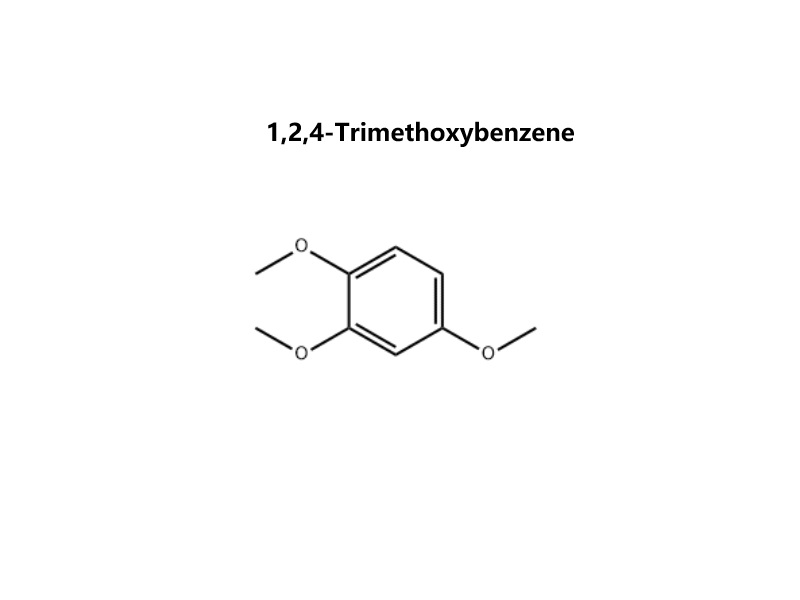
1,2,4-Trimetoxibenzeno CAS 135-77-3 É um bloco de construção aromático singularmente versátil e rico em elétrons. Seu principal valor reside em seu padrão de substituição assimétrico, porém altamente previsível, que proporciona um controle regioseletivo excepcional em síntese orgânica. Isso o torna uma estrutura privilegiada para a construção de moléculas complexas nas áreas farmacêutica, agroquímica e de materiais avançados.
Detalhes
 CONTATE-NOS
 1st Floor, No. 477, Huancheng West Road, Nanqiao Town, Fengxian District, Shanghai,China
 sales@qxscientific.com
 +86 -13701740203


 IPv6 SUPORTADO POR REDE
|
Mapa do site
|
XML |
Blogue |
política de Privacidade
IPv6 SUPORTADO POR REDE
|
Mapa do site
|
XML |
Blogue |
política de Privacidade
Deixe um recado
Scan to Wechat/Whatsapp :



 Português
 English
 Español
 Português