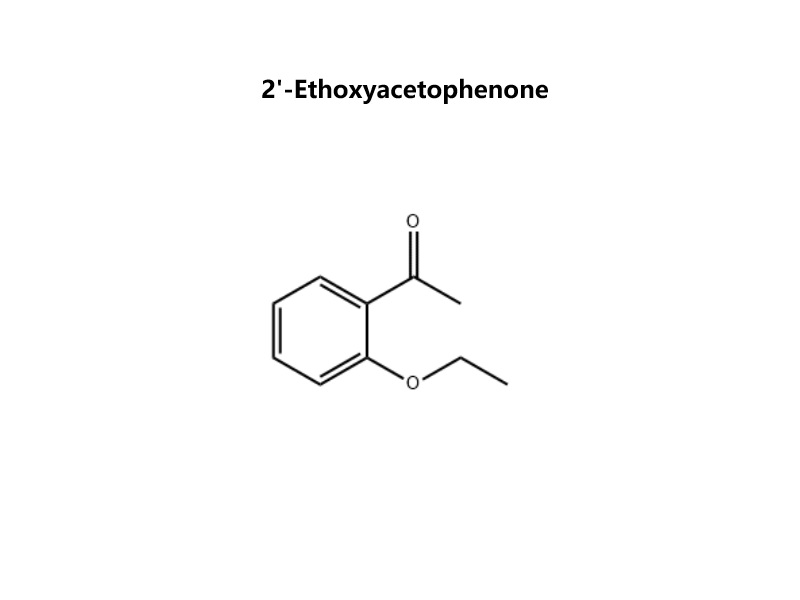

2'-Etoxiacetofenona CAS 2142-67-8 É uma cetona aromática especializada, caracterizada por um substituinte etóxi na posição orto em relação ao grupo acetil. Essa característica estrutural confere propriedades químicas e físicas distintas, tornando-a um bloco de construção privilegiado para a síntese de moléculas complexas, particularmente nos setores de aromas/fragrâncias e farmacêutico.
Nome :
2'-EthoxyacetophenoneNº CAS. :
2142-67-8MF :
C₁₀H₁₂O₂MW :
164.20Pureza :
98%Aparência :
Typically a colorless to pale yellow liquid.Condição de armazenamento :
Store in a tightly sealed container under an inert atmosphere (nitrogen) in a cool, dry, well-ventilated area away from heat and ignition sources.Propriedades Químicas
Nome IUPAC: 1-(2-Etoxifenil)etan-1-ona
Sinônimos comuns: o-Etoxiacetofenona; 2-Acetilfenol; 1-(2-Etoxifenil)etanona
Fórmula molecular: C₁₀H₁₂O₂
Peso molecular: 164,20 g/mol
Número de registro CAS: 2142-67-8
Estrutura química: Consiste em um núcleo de acetofenona com um grupo etóxi (-OCH₂CH₃) ligado na posição orto (carbono 2) do anel benzênico. Essa substituição orto cria interação estérica com o grupo acetil adjacente.
Aparência: Geralmente é um líquido incolor a amarelo pálido.
Ponto de ebulição: ~245-248 °C (à pressão atmosférica)
Densidade: ~1,05-1,07 g/cm³
Índice de refração: n²⁰/D ~1,520 - 1,525
Solubilidade: Solúvel na maioria dos solventes orgânicos (ex.: etanol, éter, clorofórmio, acetona). Praticamente insolúvel em água.
Reatividade chave:
Carbonila de cetona: Participa em reações carbonílicas típicas: pode sofrer condensação(por exemplo, com aldeídos), redução ao álcool secundário ou servir como substrato para adição nucleofílica.
Anel aromático: Os efeitos eletrônicos combinados do grupo etóxi doador de elétrons (forte direcionador orto/para) e do grupo acetil aceptor de elétrons (um direcionador meta) resultam em efeitos direcionadores complexos para a substituição eletrofílica aromática, com a influência orto/para frequentemente dominante, mas modificada pelo impedimento estérico do grupo orto-etóxi.
Grupo Etóxi: Pode ser clivado em condições ácidas ou redutoras (por exemplo, com BBr₃ ou HI) para produzir 2'-hidroxiacetofenona.
Atividades Biológicas
O composto em si é valorizado principalmente como um intermediário sintético. Sua principal característica não é uma atividade biológica direta e significativa, mas ele encontra relevância em áreas afins:
Fragrância e sabor: Possui notas aromáticas, doces e ligeiramente florais, o que a torna um componente útil em composições de fragrâncias sintéticas para sabonetes, detergentes e produtos cosméticos.
Precursor de moléculas bioativas: Serve como um bloco de construção fundamental para a síntese de vários compostos heterocíclicos e derivados de chalcona, que são frequentemente avaliados quanto a atividades farmacológicas, como propriedades antimicrobianas, anti-inflamatórias ou antioxidantes.
Estudos Metabólicos: Pode ser usado como substrato ou composto modelo em estudos que examinam o metabolismo de alquil aril cetonas.
Biossíntese
Não se sabe que a 2'-etoxiacetofenona seja produzida por biossíntese natural para fins comerciais. Ela é sintetizada industrialmente e em laboratório por meio de métodos químicos:
1. Acilação de Friedel-Crafts: A rota mais comum envolve a acilação do fenetol (etoxibenzeno) catalisada por cloreto de alumínio (AlCl₃) com cloreto de acetila ou anidrido acético. A regioseletividade favorece os produtos orto e para, sendo o ortoisômero frequentemente separável devido às suas propriedades físicas distintas.
2. Eterificação da 2'-hidroxiacetofenona: Um método alternativo envolve a síntese de éter de Williamson, alquilando a 2'-hidroxiacetofenona com haleto de etila (por exemplo, iodoetano) na presença de uma base.
Aplicações



Principais vantagens e benefícios
1. Impedimento estérico estratégico para reatividade controlada
Benefício: O grupo etoxi em posição orto cria uma estrutura pronunciada. impedimento estérico em torno do carbono carbonílico. Isso retarda certas reações, permitindo que melhor seletividade e controleEm transformações comparadas a isômeros menos impedidos, pode suprimir reações secundárias indesejadas e promover a formação de produtos mais puros.
Cenário de aplicação: No síntese de um benzofurano específico Por meio de uma condensação aldólica intramolecular, utilizando 2'-etoxiacetofenona como precursor, garante-se que a reação ocorra de forma controlada. O impedimento estérico ajuda a direcionar a aproximação do nucleófilo, favorecendo a via de ciclização desejada e minimizando a polimerização ou a formação de subprodutos, resultando em maiores rendimentos do núcleo heterocíclico.
2. Grupo Funcional Duplo com Estabilidade Ortogonal
Benefício: A molécula apresenta dois grupos funcionais robustos: o cetona (para formação de ligação C-C) e o éter (para estabilidade e posterior clivagem)O grupo etóxi é estável sob uma ampla gama de condições básicas e nucleofílicas usadas na química de cetonas, mas pode ser clivado seletivamente posteriormente em condições ácidas (por exemplo, com BBr₃) para revelar um -OH fenólico, possibilitando uma poderosa estratégia sintética em duas etapas.
Cenário de aplicação: Um químico medicinal pode primeiro utilizar a cetona em um acoplamento Suzuki de alto rendimentoCriar uma biblioteca de compostos biarílicos com o grupo etóxi intacto, garantindo solubilidade e efeitos direcionadores. Numa etapa subsequente para um candidato promissor, o grupo etóxi pode ser desalquilados seletivamentea um fenol, permitindo posterior derivatização (por exemplo, sulfatação, glicosilação) para ajustar com precisão as propriedades farmacocinéticas.
3. Um perfil de sabor/aroma distinto
Benefício: A substituição orto-etoxi confere um Aroma característico doce, floral e ligeiramente semelhante ao mel. que o distingue dos seus metaisômeros e paraisômeros. Isso o torna um ingrediente valioso e, por vezes, insubstituível para a criação de acordes sofisticados e repletos de nuances na perfumaria.
Cenário de aplicação: Um perfumista criando um Fragrância complexa de fantasia floral. Quem busca uma nuance adocicada e rosada escolherá especificamente a 2'-etoxiacetofenona em vez de outros isômeros. Seu perfil olfativo único proporciona um efeito específico que contribui para o caráter e a complexidade singulares da fragrância, enquanto uma simples acetofenona seria genérica demais.
2'-Etoxiacetofenona é o isômero do especialista dentro da família das etoxiacetofenonas. Sua proposta de valor não se baseia em alta reatividade ou baixo custo, mas em controle estratégico de grupos estéricos e funcionaisÉ a escolha preferencial quando uma síntese exige a reatividade modulada de uma cetona adjacente a um grupo protetor/direcionador, ou quando uma nota floral-melada específica e rica é necessária em uma formulação de fragrância. Para aplicações onde o congestionamento molecular ou uma assinatura olfativa específica é crucial, oferece vantagens que análogos mais simples e lineares não conseguem igualar.
Perguntas frequentes
Q1: De que forma o grupo orto-etoxi neste composto afeta sua reatividade em comparação com o paraisômero?
A1: O grupo orto-etoxi introduz uma carga significativa. impedimento estéricoadjacente ao carbonilo reativo. Isso pode retardar certas adições ou condensações nucleofílicas na cetona em comparação com o paraisômero. Além disso, na substituição eletrofílica aromática, direciona os grupos entrantes principalmente para a paraposição (C5), mas o volume estérico também pode influenciar as proporções de regioisômeros e as velocidades de reação.
Q2: Quais são as condições críticas de armazenamento para manter a qualidade do produto?
A2: Armazene em um recipiente hermeticamente fechado sob atmosfera inerte (nitrogênio) Conservar em local fresco, seco e bem ventilado, longe do calor e de fontes de ignição. Recomenda-se armazenar entre 2 e 8 °C para maior estabilidade a longo prazo, prevenindo oxidação e descoloração. Manter afastado de agentes oxidantes fortes e bases.
Q3: É possível realizar a redução seletiva da cetona ao álcool sem clivar o grupo etóxi?
A3: Sim. A ligação éter etoxilada é estável a agentes redutores comuns para cetonas. Borohidreto de sódio (NaBH₄)A redução do grupo acetil em metanol é uma excelente escolha para a redução limpa e seletiva do grupo acetil, produzindo 1-(2-etoxifenil)etanol. Agentes mais potentes, como o LiAlH₄, também reduzem a cetona, mas exigem condições estritamente anidras.
Q4: Este composto pode ser usado em alquilação de Friedel-Crafts ou outras reações EAS no anel?
A4: É possível, mas desafiador e requer otimização cuidadosa. O anel é desativado pelo grupo acetil, e o grupo orto-etóxi cria impedimento estérico. Reações como nitração ou halogenação ocorrerão, mas podem ser mais lentas do que com a acetofenona não substituída e produzir misturas onde a paraposição (em relação ao etóxi) é favorecida. A separação de isômeros pode ser necessária.
Q5: Quais são as especificações típicas de pureza e como elas são analisadas?
A5: O material comercial é normalmente oferecido em Pureza ≥97% (por GC)O controle de qualidade é realizado principalmente por meio de cromatografia gasosa (GC) para verificar a pureza e RMN de ¹H Para confirmação estrutural. O produto deve ser um líquido transparente, incolor ou levemente amarelado.
Q6: Este material está prontamente disponível para desenvolvimento em escala de processo, ou é um item especializado?
A6: É considerado um especialidades químicas finasEmbora disponível em diversos fornecedores, não é produzido na mesma escala de várias toneladas que as acetofenonas comerciais. Para pedidos em escala de quilogramas ou superior, os prazos de entrega podem ser maiores, sendo altamente recomendável o contato direto com os fornecedores para orçamentos específicos e planejamento do projeto.
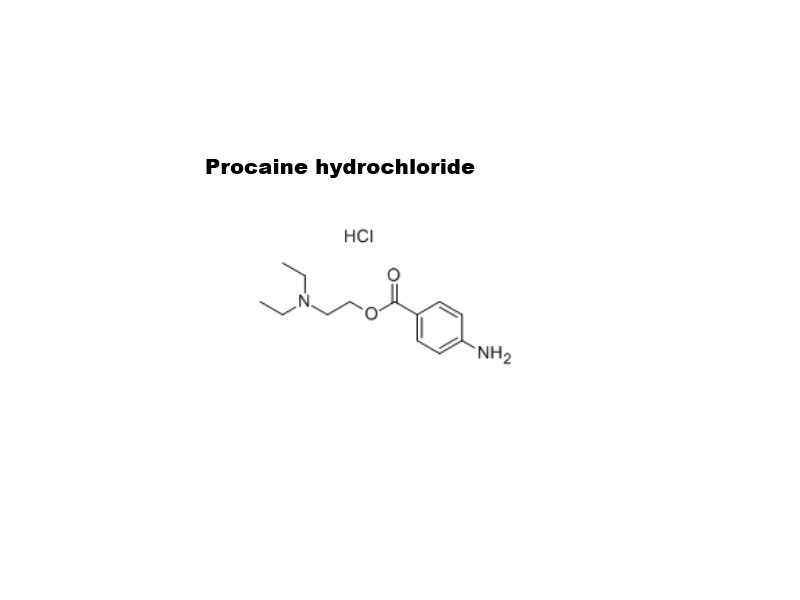
Cloridrato de Procaína CAS 51-05-8 é o sal cloridrato de procaína solúvel em água. É a formulação específica usada na medicina clínica, comercializada sob a famosa marca Procaína.NovocaínaEmbora seu uso na prática clínica tenha diminuído, continua sendo um medicamento historicamente fundamental e ainda é empregado em contextos médicos e terapêuticos específicos.
Detalhes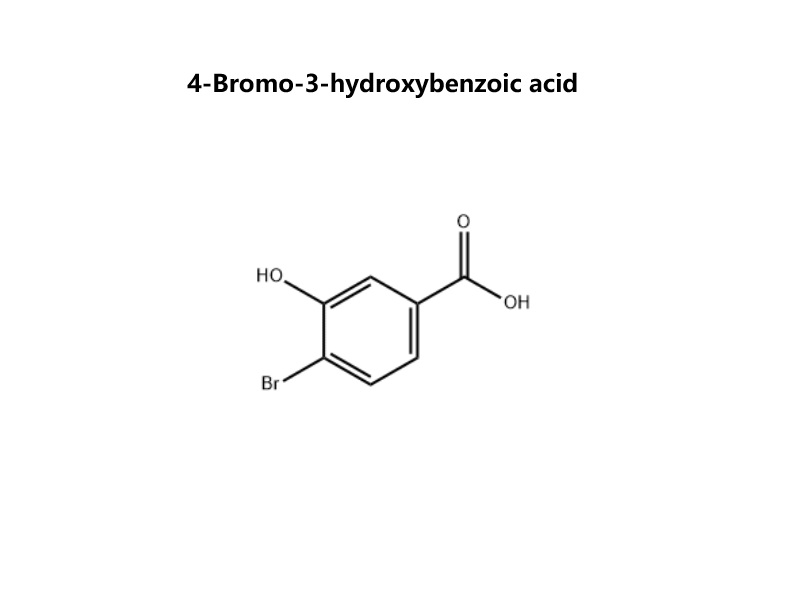
Ácido 4-bromo-3-hidroxibenzoico CAS 14348-38-0 é um Bloco de construção aromático multifuncional premium Projetada para síntese orientada à complexidade. Seu principal valor reside no posicionamento estratégico de três grupos funcionais distintos e ortogonalmente reativos em um anel benzênico, tornando-a uma ferramenta indispensável para a construção molecular convergente em pesquisa e desenvolvimento avançados.
Detalhes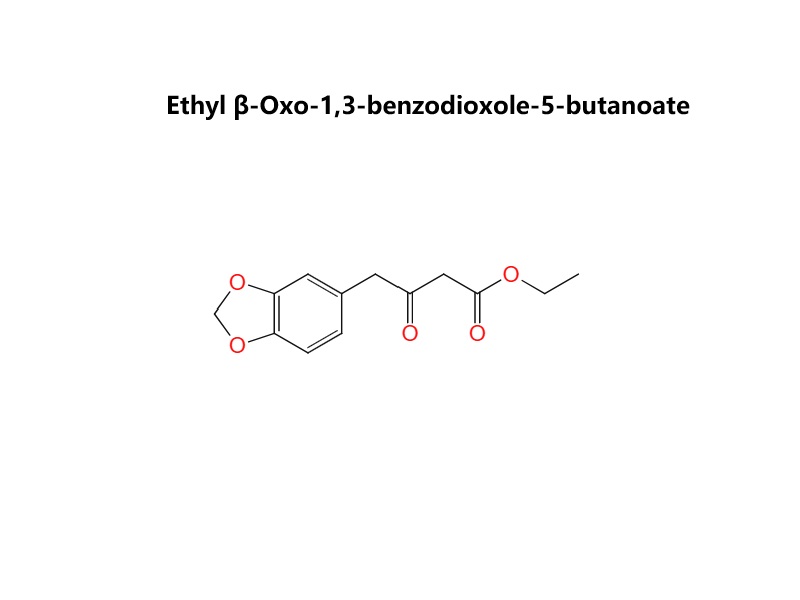
β-Oxo-1,3-benzodioxol-5-butanoato de etila CAS 31127-23-8 é um Derivado β-cetoéster apresentando um Sistema aromático 1,3-benzodioxol (metilenodioxifenil)Estruturalmente, consiste em um anel benzodioxol ligado por uma cadeia de três carbonos a um grupo funcional etil β-cetoéster (-CO-CH₂-COOEt). Isso o torna um bloco de construção bifuncional versátil Para síntese orgânica, combinando as propriedades eletrônicas do grupo benzodioxol com a alta reatividade de um β-cetoéster.
Detalhes![4-Nitrophenyl 3-(Benzo[d][1,3]dioxol-5-yl)-2-methylpropanoate](https://pt.qixiolivetol.com/storage/uploads/images/202604/17/1776427287_qZy87IjHSQ.jpg)
4-Nitrofenil 3-(Benzo[d][1,3]dioxol-5-il)-2-metilpropanoato é um agente acilante pré-ativado e quiralmente definido que combina um farmacóforo benzo[1,3]dioxol (piperonil) metabolicamente estável com a reatividade excepcional de um éster 4-nitrofenil. Permite a introdução eficiente e sem racemização de uma porção ácida quiral complexa em condições brandas, tornando-se indispensável para síntese química avançada e bioconjugação.4-Nitrofenil 3-(Benzo[d][1,3]dioxol-5-il)-2-metilpropanoato É um éster especial projetado como um intermediário bioquímico ou sintético reativo. Sua estrutura combina estrategicamente três unidades principais:(1)A Ácido 3-(benzo[1,3]dioxol-5-il)-2-metilpropanoico fração (ácido quiral substituído por piperonila).(2)A 4-nitrofenil éster saindo do grupo.Esse design o torna um éster ativado, onde o 4-nitrofenol é um excelente grupo de saída, facilitando reações de transferência de acila eficientes em condições brandas.
Detalhes
2'-Etoxiacetofenona CAS 2142-67-8 É uma cetona aromática especializada, caracterizada por um substituinte etóxi na posição orto em relação ao grupo acetil. Essa característica estrutural confere propriedades químicas e físicas distintas, tornando-a um bloco de construção privilegiado para a síntese de moléculas complexas, particularmente nos setores de aromas/fragrâncias e farmacêutico.
Detalhes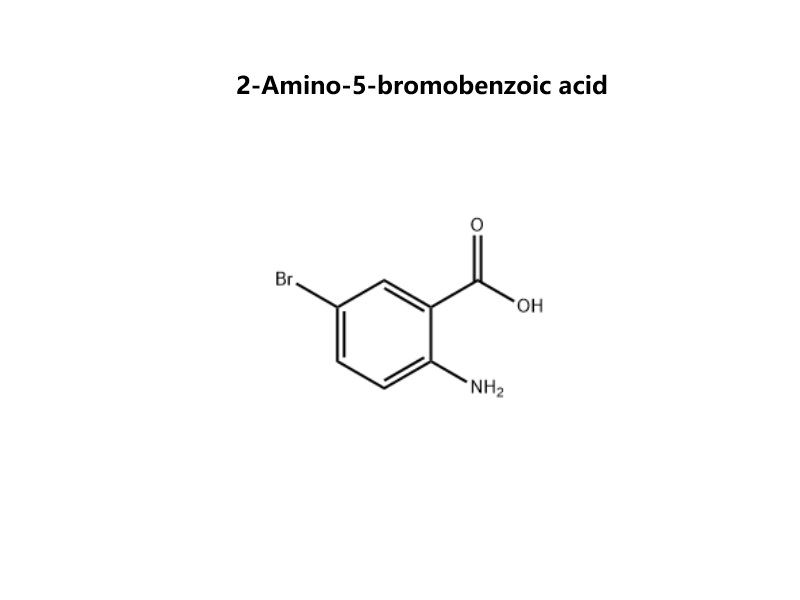
Ácido 2-amino-5-bromobenzoico CAS 5794-88-7 É um bloco de construção aromático altamente versátil que integra três grupos funcionais distintos — uma amina, um ácido carboxílico e um brometo de arila — em uma única estrutura sinteticamente valiosa. Essa multifuncionalidade o torna um intermediário crucial na química farmacêutica e de materiais avançados.
Detalhes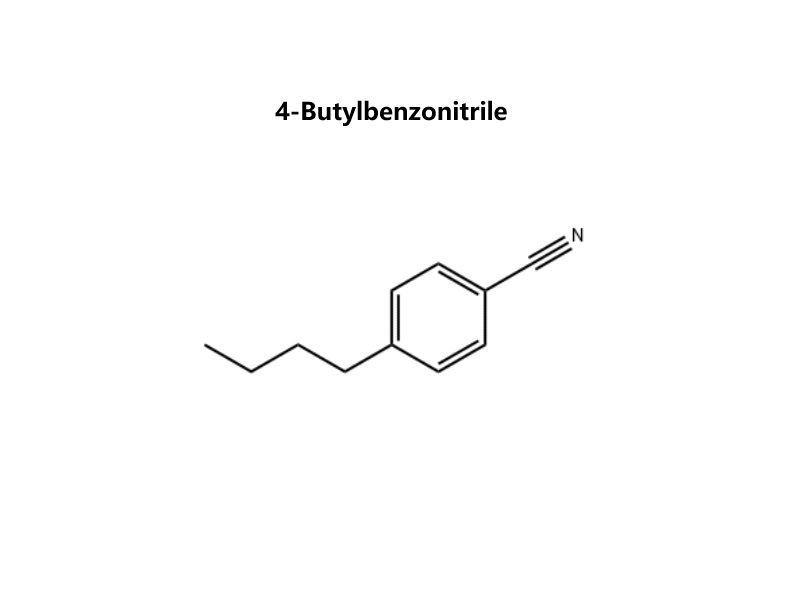
4-Butilbenzonitrila CAS 20651-73-4É um bloco de construção hidrofóbico estrategicamente projetado que combina um núcleo aromático rígido com uma cadeia alquílica linear flexível e um grupo funcional nitrila altamente versátil. Essa tríade de características o torna um intermediário excepcionalmente valioso para modular propriedades físico-químicas e viabilizar diversas vias sintéticas em pesquisas avançadas de materiais, produtos farmacêuticos e agroquímicos.
Detalhes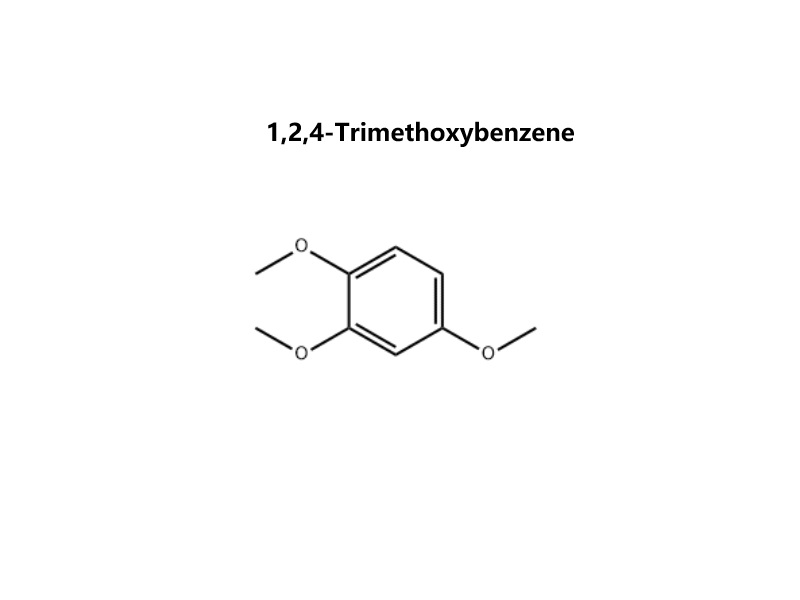
1,2,4-Trimetoxibenzeno CAS 135-77-3 É um bloco de construção aromático singularmente versátil e rico em elétrons. Seu principal valor reside em seu padrão de substituição assimétrico, porém altamente previsível, que proporciona um controle regioseletivo excepcional em síntese orgânica. Isso o torna uma estrutura privilegiada para a construção de moléculas complexas nas áreas farmacêutica, agroquímica e de materiais avançados.
Detalhes
 CONTATE-NOS
 1st Floor, No. 477, Huancheng West Road, Nanqiao Town, Fengxian District, Shanghai,China
 sales@qxscientific.com
 +86 -13701740203


 IPv6 SUPORTADO POR REDE
|
Mapa do site
|
XML |
Blogue |
política de Privacidade
IPv6 SUPORTADO POR REDE
|
Mapa do site
|
XML |
Blogue |
política de Privacidade
Deixe um recado
Scan to Wechat/Whatsapp :



 Português
 English
 Español
 Português