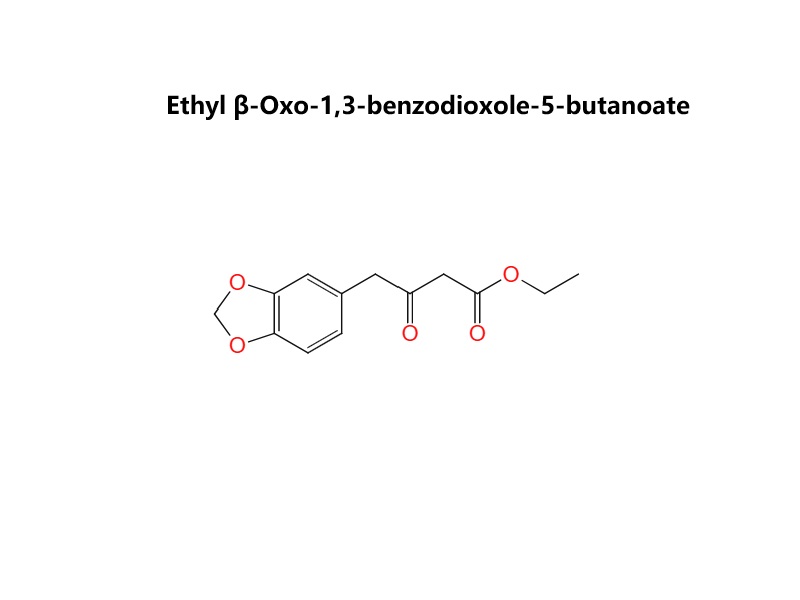
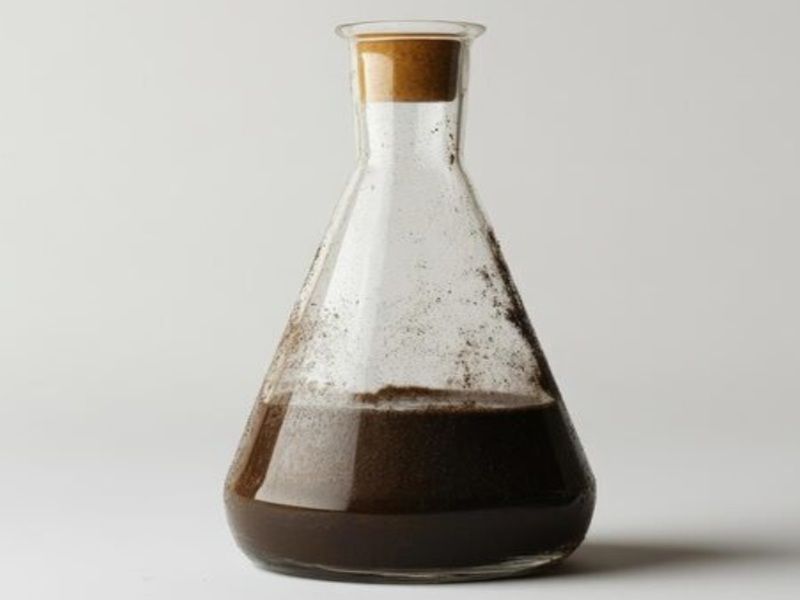
β-Oxo-1,3-benzodioxol-5-butanoato de etila CAS 31127-23-8 é um Derivado β-cetoéster apresentando um Sistema aromático 1,3-benzodioxol (metilenodioxifenil)Estruturalmente, consiste em um anel benzodioxol ligado por uma cadeia de três carbonos a um grupo funcional etil β-cetoéster (-CO-CH₂-COOEt). Isso o torna um bloco de construção bifuncional versátil Para síntese orgânica, combinando as propriedades eletrônicas do grupo benzodioxol com a alta reatividade de um β-cetoéster.
Nome :
Ethyl β-Oxo-1,3-benzodioxole-5-butanoateNº CAS. :
31127-23-8MF :
C₁₃H₁₄O₅MW :
250.25Pureza :
97%Aparência :
Brownish liquidCondição de armazenamento :
Store in a tightly sealed container, protected from light and moisture, in a cool (2-8°C) and dry place, preferably under an inert atmosphere (argon/nitrogen).Propriedades Químicas
Nome IUPAC: 4-(1,3-benzodioxol-5-il)-4-oxobutanoato de etila
Nome alternativo: 3-(1,3-benzodioxol-5-il)-3-oxopropanoato de etila (forma tautomérica)
Fórmula molecular: C₁₃H₁₄O₅
Peso molecular: 250,25 g/mol
Aparência: Líquido acastanhado
Tautomerismo: Existe predominantemente na forma enólica (como um β-cetoéster) em solução e frequentemente no estado sólido, estabilizado por ligações de hidrogênio intramoleculares, o que influencia sua reatividade.
Reatividade: O grupo metileno ativo (-CH₂-) entre os dois carbonilos é altamente ácido e pode ser facilmente desprotonado para formar um ânion enolato estável. Este enolato é um nucleófilo chave para reações de alquilação, condensação (por exemplo, síntese de pirrol de Knorr) e adição de Michael. Os grupos cetona e éster também são sítios eletrofílicos.
Solubilidade: Solúvel em solventes orgânicos comuns, como etanol, metanol, acetato de etila, clorofórmio e dimetilformamida (DMF). Possui solubilidade muito baixa em água.
Estabilidade: Estável em condições normais de armazenamento, mas pode ser sensível a bases fortes, ácidos e agentes oxidantes. Deve ser protegido da exposição prolongada à luz e à umidade.
Atividades Biológicas
Este composto é principalmente um intermediário sintéticoe normalmente não é um produto final com uso biológico comercial direto. Seu perfil biológico é definido por fração 1,3-benzodioxol (piperonil), que é conhecido em outros contextos por:
Atividade sinérgica: Em agroquímica, o grupo piperonil é famoso por seu papel como um sinergista que inibe as enzimas do citocromo P450 dos insetos, aumentando a potência de inseticidas como as piretrinas.
Fragmento farmacofórico: A estrutura benzodioxol é uma característica comum em diversas moléculas bioativas, contribuindo para a estabilidade metabólica e a lipofilicidade. Portanto, esse composto serve como precursor para moléculas com potencial atividade no sistema nervoso central (SNC), propriedades anticancerígenas ou antimicrobianas.
Biossíntese
Não existe rota biossintética comercial. É produzido através de síntese orgânica clássica.
Uma via sintética padrão envolve:
1. Acilação de Friedel-Crafts: Reação de 1,3-benzodioxol (derivado do safrol) com um derivado adequado do ácido succínico (por exemplo, anidrido succínico) na presença de um catalisador ácido de Lewis (por exemplo, cloreto de alumínio, AlCl₃) para produzir o correspondente ácido β-aroilpropiônico.
2. Esterificação: O ácido resultante é então esterificado com etanol na presença de um catalisador ácido (por exemplo, ácido sulfúrico) ou através de um agente de acoplamento para produzir o éster etílico final.
Aplicações


Principais vantagens e benefícios
1. Dupla reatividade para síntese convergente de heterociclos
Benefício: O grupo metileno ativo, flanqueado por dois grupos carbonila, atua como um potente nucleófilo após a desprotonação, enquanto as carbonilas da cetona e do éster atuam como eletrófilos. Isso permite que reações de ciclização sequenciais ou em tandem com vários binucleófilos.
Cenário de aplicação: No síntese de uma nova biblioteca de pirróis fundidos com benzodioxolPara triagem como inibidores de quinase, um químico medicinal reage este composto com diversas α-aminocetonas por meio de uma reação de Paal-Knorr. O anel benzodioxol pré-instalado torna-se parte integrante da estrutura final em uma única etapa de alto rendimento, gerando rapidamente diversidade química para testes biológicos.
2. Fragmento farmacofórico "privilegiado" integrado
Benefício: O Grupo 1,3-benzodioxol (piperonil)É uma estrutura clássica "privilegiada" em química medicinal e agroquímica. Incorporá-la no início de uma síntese garante que os produtos finais possuam propriedades inerentes de lipofilicidade aprimorada, estabilidade metabólica (via potencial de inibição do P450) e interações específicas de empilhamento πcom alvos biológicos.
Cenário de aplicação: Uma equipe de pesquisa desenvolvendo um sinergista de inseticidas de próxima geraçãoEles utilizam esse composto como um intermediário chave. Ao derivatizar a porção β-cetoéster, criam análogos que mantêm a potente inibição do citocromo P450 pelo grupo piperonil, otimizando simultaneamente as propriedades físico-químicas para um melhor perfil ambiental e estabilidade da formulação.
3. Excelente substrato para funcionalização regiosseletiva
Benefício: A acidez dos prótons metilênicos permite uma reação limpa. alquilação regioseletiva no carbono central. Isso permite a introdução precisa de cadeias laterais para criar centros quaternários ou elaborar a estrutura molecular de forma controlada, uma tarefa mais desafiadora com cetonas aromáticas mais simples.
Cenário de aplicação: Durante o Síntese assimétrica de um análogo complexo de produto naturalOs químicos desprotonam esse composto com uma base quiral e realizam uma alquilação estereosseletiva. O produto resultante, que apresenta um novo centro quiral adjacente ao anel benzodioxol, serve como um intermediário crucial para a construção do núcleo da molécula alvo com alta pureza enantiomérica.
4. Estabilidade e natureza cristalina para química de processos
Benefício: Em comparação com β-dicetonas mais sensíveis, isto O β-cetoéster é relativamente estável e geralmente cristaliza bem.Isso facilita seu isolamento, purificação e armazenamento a longo prazo, tornando-o um material de partida confiável para síntese em múltiplas etapas e em escala ampliada.
Cenário de aplicação: Em um síntese GMP em escala pilotoComo um composto candidato a fármaco contendo o motivo benzodioxol, este composto é adquirido com alta pureza na forma de um sólido cristalino. Sua estabilidade permite pesagens precisas e desempenho consistente na etapa crucial de ciclocondensação, garantindo rendimentos robustos e reproduzíveis, essenciais para os registros regulatórios.
β-Oxo-1,3-benzodioxol-5-butanoato de etila (CAS 31127-23-8) é um bloco de construção bifuncional especializado e de alto valorProjetado para eficiência na descoberta de produtos medicinais e agroquímicos. Sua principal vantagem é a Pré-montagem estratégica de um motivo aromático bioativo com um grupo funcional reativo altamente versátil.Isso elimina etapas sintéticas, acelera a exploração das relações estrutura-atividade (SAR) em torno do farmacóforo benzodioxol e fornece um ponto de entrada cristalino e confiável para arquiteturas moleculares complexas. Para químicos que visam ingredientes ativos contendo benzodioxol, oferece uma rota mais direta e convergente em comparação com a construção da cadeia β-cetoéster em um núcleo de benzodioxol pré-formado, tornando-se uma ferramenta poderosa para acelerar a otimização e o desenvolvimento de compostos líderes.
Perguntas frequentes
Q1: Qual é a principal utilização desse produto químico?
A: É usado predominantemente como um bloco de construção sintético versátil em laboratórios de pesquisaSeu principal valor reside em seus dois grupos funcionais altamente reativos (o β-cetoéster enolizável e o anel aromático de benzodioxol), que permitem aos químicos construir com eficiência arquiteturas moleculares mais complexas, muitas vezes biologicamente relevantes.
Q2: Como deve ser armazenado e qual é o seu prazo de validade?
A: Armazene em um Recipiente hermeticamente fechado, protegido da luz e da umidade, em local fresco (2-8°C) e seco.De preferência, armazene em atmosfera inerte (argônio/nitrogênio) para armazenamento a longo prazo. Nessas condições, o produto pode permanecer estável por vários anos. Sempre deixe o recipiente atingir a temperatura ambiente antes de abri-lo para evitar condensação.
Q3: Você pode dar um exemplo específico de uma reação em que ele é usado?
A: Um exemplo clássico é o seu uso em Síntese de pirrol KnorrQuando reagiu com um α-aminocetonaNa presença de um catalisador ácido, ele se condensa para formar um anel pirrólico substituído, uma estrutura central encontrada em muitos produtos farmacêuticos e porfirinas. O grupo benzodioxol torna-se parte do substituinte do pirrol final.
Q4: Este composto é considerado perigoso?
A: Como acontece com muitos produtos químicos finos, requer manuseio cuidadoso. Pode ser um Irritante para a pele, olhos e sistema respiratório.Você deve consultar o Ficha de Dados de Segurança (FDS) Consulte o lote específico antes de usar para obter informações detalhadas sobre os riscos, os requisitos de equipamento de proteção individual (EPI) (luvas, óculos de segurança, jaleco) e os procedimentos adequados de descarte.
Q5: Onde posso encontrar esse composto e qual é o grau de pureza típico?
A: É um produtos químicos especiais Disponíveis em fornecedores especializados em intermediários avançados e blocos de construção para química medicinal (por exemplo, BLD Pharmatech, Combi-Blocks, Apollo Scientific). Os níveis de pureza típicos para uso em pesquisa variam de 95% a 98%+, frequentemente confirmado por HPLC ou RMN.Para quantidades em escala de processo, geralmente é providenciada a síntese personalizada.
Q6: Quais são os principais métodos analíticos para caracterizar e confirmar sua pureza?
A: Os métodos padrão incluem:
Espectroscopia de RMN de ¹H e ¹³C: Para confirmar a estrutura e verificar a presença de formas tautoméricas.
Cromatografia líquida de alta eficiência (HPLC): Para determinar a pureza química.
Espectrometria de massa (EM): Para confirmar o peso molecular.
Determinação do Ponto de Fusão: Como uma verificação básica de pureza.
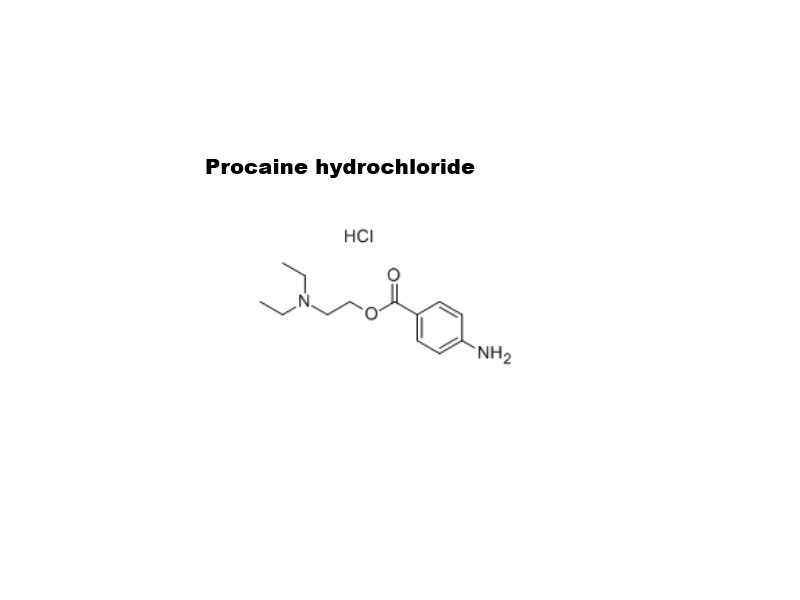
Cloridrato de Procaína CAS 51-05-8 é o sal cloridrato de procaína solúvel em água. É a formulação específica usada na medicina clínica, comercializada sob a famosa marca Procaína.NovocaínaEmbora seu uso na prática clínica tenha diminuído, continua sendo um medicamento historicamente fundamental e ainda é empregado em contextos médicos e terapêuticos específicos.
Detalhes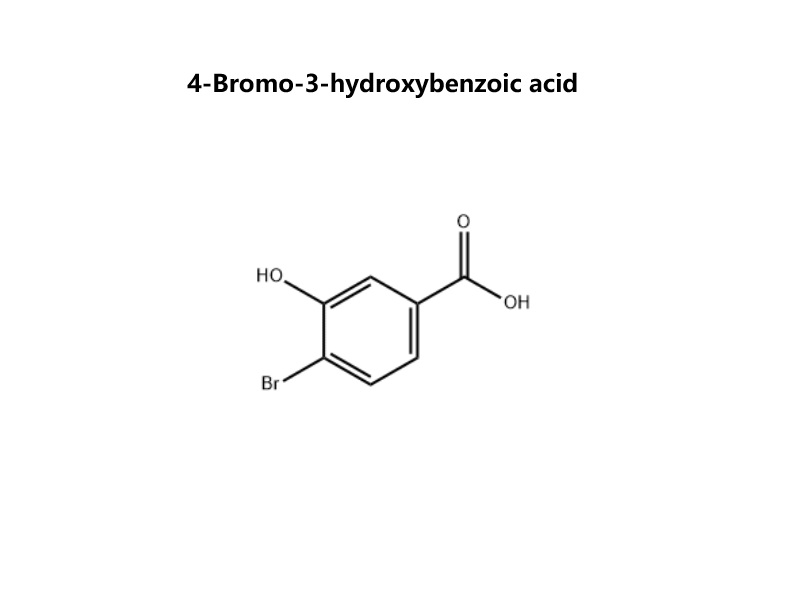
Ácido 4-bromo-3-hidroxibenzoico CAS 14348-38-0 é um Bloco de construção aromático multifuncional premium Projetada para síntese orientada à complexidade. Seu principal valor reside no posicionamento estratégico de três grupos funcionais distintos e ortogonalmente reativos em um anel benzênico, tornando-a uma ferramenta indispensável para a construção molecular convergente em pesquisa e desenvolvimento avançados.
Detalhes
β-Oxo-1,3-benzodioxol-5-butanoato de etila CAS 31127-23-8 é um Derivado β-cetoéster apresentando um Sistema aromático 1,3-benzodioxol (metilenodioxifenil)Estruturalmente, consiste em um anel benzodioxol ligado por uma cadeia de três carbonos a um grupo funcional etil β-cetoéster (-CO-CH₂-COOEt). Isso o torna um bloco de construção bifuncional versátil Para síntese orgânica, combinando as propriedades eletrônicas do grupo benzodioxol com a alta reatividade de um β-cetoéster.
Detalhes![4-Nitrophenyl 3-(Benzo[d][1,3]dioxol-5-yl)-2-methylpropanoate](https://pt.qixiolivetol.com/storage/uploads/images/202604/17/1776427287_qZy87IjHSQ.jpg)
4-Nitrofenil 3-(Benzo[d][1,3]dioxol-5-il)-2-metilpropanoato é um agente acilante pré-ativado e quiralmente definido que combina um farmacóforo benzo[1,3]dioxol (piperonil) metabolicamente estável com a reatividade excepcional de um éster 4-nitrofenil. Permite a introdução eficiente e sem racemização de uma porção ácida quiral complexa em condições brandas, tornando-se indispensável para síntese química avançada e bioconjugação.4-Nitrofenil 3-(Benzo[d][1,3]dioxol-5-il)-2-metilpropanoato É um éster especial projetado como um intermediário bioquímico ou sintético reativo. Sua estrutura combina estrategicamente três unidades principais:(1)A Ácido 3-(benzo[1,3]dioxol-5-il)-2-metilpropanoico fração (ácido quiral substituído por piperonila).(2)A 4-nitrofenil éster saindo do grupo.Esse design o torna um éster ativado, onde o 4-nitrofenol é um excelente grupo de saída, facilitando reações de transferência de acila eficientes em condições brandas.
Detalhes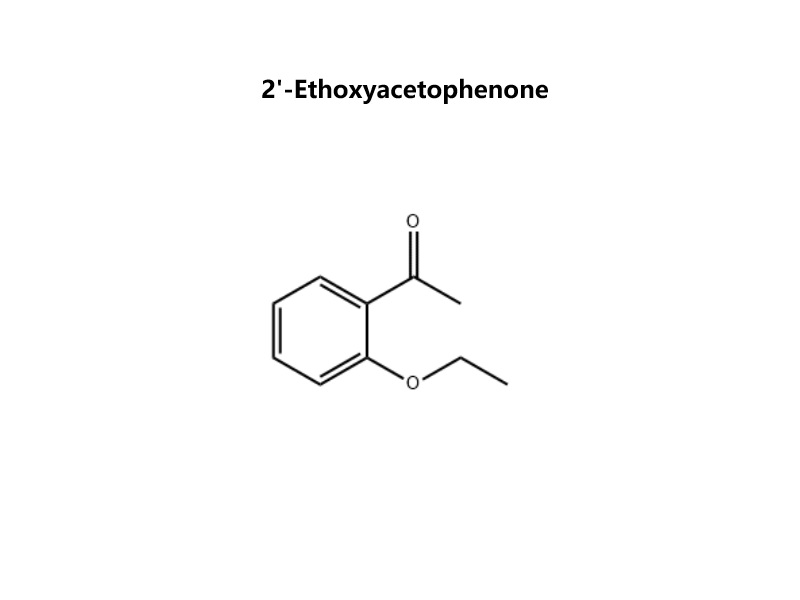
2'-Etoxiacetofenona CAS 2142-67-8 É uma cetona aromática especializada, caracterizada por um substituinte etóxi na posição orto em relação ao grupo acetil. Essa característica estrutural confere propriedades químicas e físicas distintas, tornando-a um bloco de construção privilegiado para a síntese de moléculas complexas, particularmente nos setores de aromas/fragrâncias e farmacêutico.
Detalhes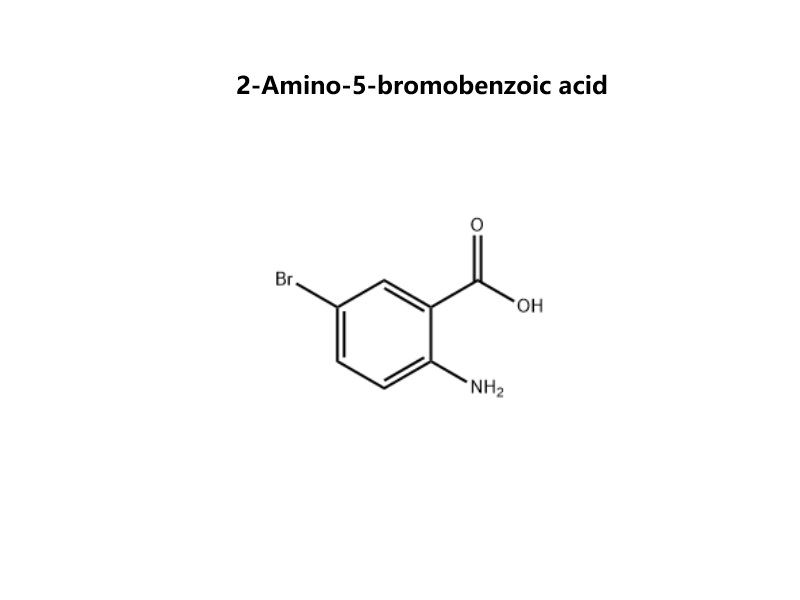
Ácido 2-amino-5-bromobenzoico CAS 5794-88-7 É um bloco de construção aromático altamente versátil que integra três grupos funcionais distintos — uma amina, um ácido carboxílico e um brometo de arila — em uma única estrutura sinteticamente valiosa. Essa multifuncionalidade o torna um intermediário crucial na química farmacêutica e de materiais avançados.
Detalhes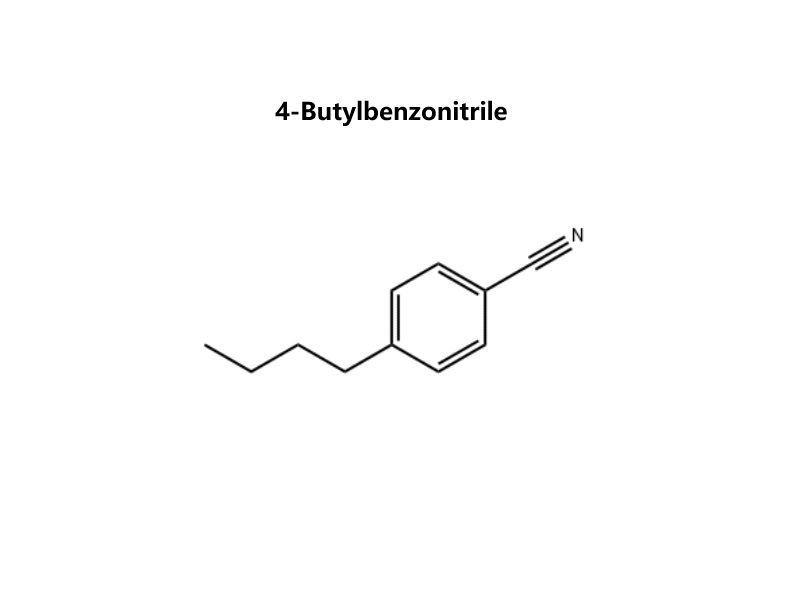
4-Butilbenzonitrila CAS 20651-73-4É um bloco de construção hidrofóbico estrategicamente projetado que combina um núcleo aromático rígido com uma cadeia alquílica linear flexível e um grupo funcional nitrila altamente versátil. Essa tríade de características o torna um intermediário excepcionalmente valioso para modular propriedades físico-químicas e viabilizar diversas vias sintéticas em pesquisas avançadas de materiais, produtos farmacêuticos e agroquímicos.
Detalhes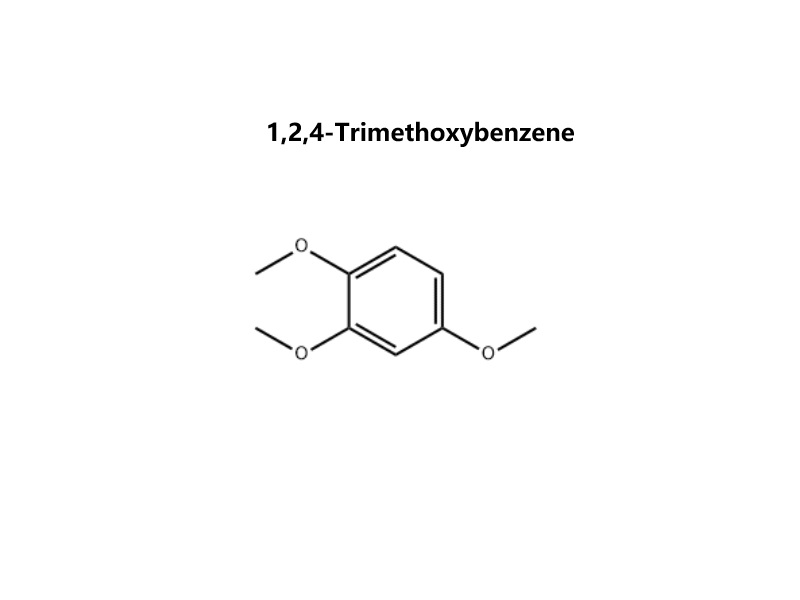
1,2,4-Trimetoxibenzeno CAS 135-77-3 É um bloco de construção aromático singularmente versátil e rico em elétrons. Seu principal valor reside em seu padrão de substituição assimétrico, porém altamente previsível, que proporciona um controle regioseletivo excepcional em síntese orgânica. Isso o torna uma estrutura privilegiada para a construção de moléculas complexas nas áreas farmacêutica, agroquímica e de materiais avançados.
Detalhes
 CONTATE-NOS
 1st Floor, No. 477, Huancheng West Road, Nanqiao Town, Fengxian District, Shanghai,China
 sales@qxscientific.com
 +86 -13701740203


 IPv6 SUPORTADO POR REDE
|
Mapa do site
|
XML |
Blogue |
política de Privacidade
IPv6 SUPORTADO POR REDE
|
Mapa do site
|
XML |
Blogue |
política de Privacidade
Deixe um recado
Scan to Wechat/Whatsapp :



 Português
 English
 Español
 Português