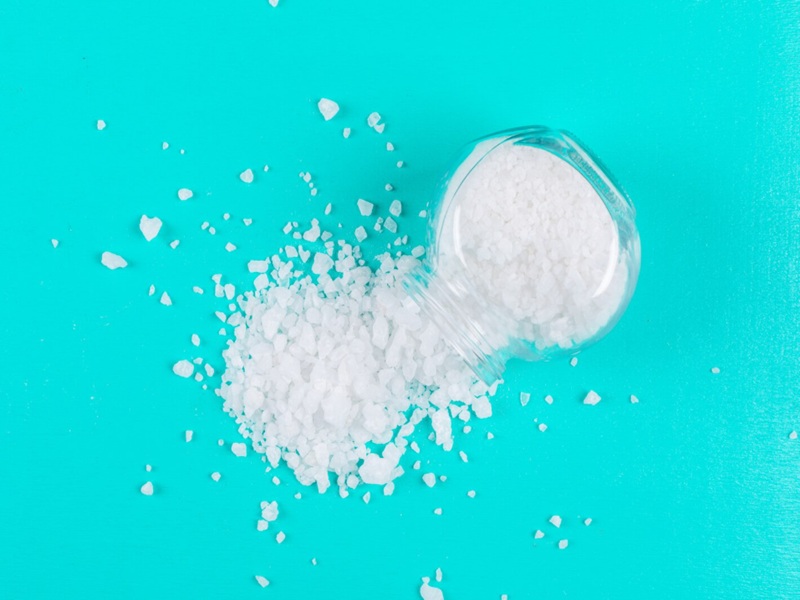
1,2,4-Trimetoxibenzeno CAS 135-77-3 É um bloco de construção aromático singularmente versátil e rico em elétrons. Seu principal valor reside em seu padrão de substituição assimétrico, porém altamente previsível, que proporciona um controle regioseletivo excepcional em síntese orgânica. Isso o torna uma estrutura privilegiada para a construção de moléculas complexas nas áreas farmacêutica, agroquímica e de materiais avançados.
Nome :
1,2,4-TrimethoxybenzeneNº CAS. :
135-77-3MF :
C₉H₁₂O₃MW :
168.19Pureza :
98%Aparência :
White to off-white crystalline solid.Condição de armazenamento :
Store in a tightly sealed container under inert gas (N₂/Ar) at 2–8 °C, protected from light and moisture.Propriedades Químicas
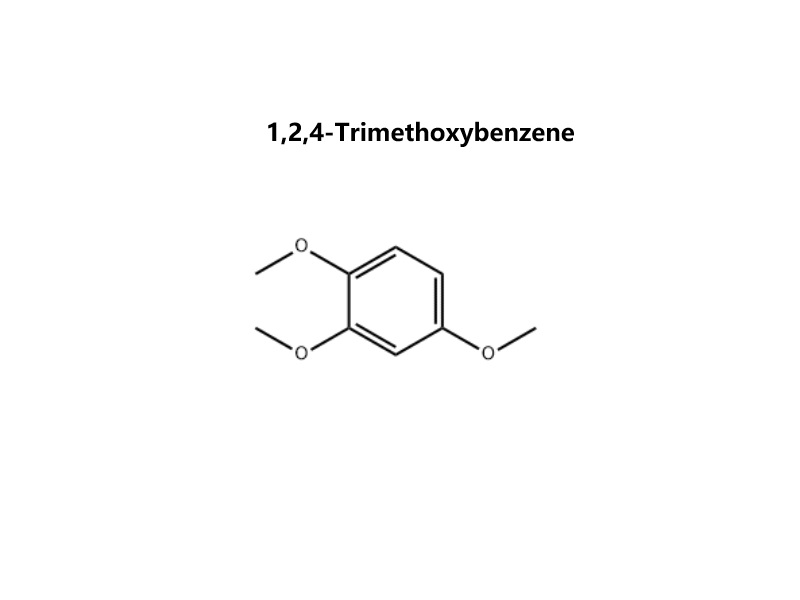
Nome IUPAC: 1,2,4-Trimetoxibenzeno
Sinônimos comuns: Trimetoxibenzeno assimétrico; TMB
Fórmula molecular: C₉H₁₂O₃
Peso molecular: 168,19 g/mol
Número de registro CAS: 135-77-3
Estrutura química: Um anel benzênico com três grupos metoxi (-OCH₃) nas posições 1, 2 e 4. Esse padrão de substituição assimétrico cria um sistema aromático rico em elétrons com reatividade distinta.
Aparência: Sólido cristalino branco a quase branco.
Ponto de fusão: ~44–46 °C.
Ponto de ebulição: ~247–249 °C.
Densidade: ~1,11 g/cm³.
Solubilidade:
Solúvel em solventes orgânicos (etanol, éter, acetona, clorofórmio).
Insolúvel em água.
Reatividade chave:
Anel aromático rico em elétrons: Altamente ativado para substituição aromática eletrofílica (por exemplo, acilação/alquilação de Friedel-Crafts, nitração, halogenação), com regioseletividade controlada pelos grupos metoxi.
Grupos metoxi: Pode ser desmetilado seletivamente sob condições extremas (por exemplo, BBr₃, HI) para revelar compostos polifenólicos.
Suscetibilidade à oxidação: O anel rico em elétrons é propenso à oxidação, exigindo manuseio cuidadoso em atmosferas inertes.
Atividades Biológicas
Utilizado principalmente como intermediário sintético, e não como composto bioativo.
Precursor de moléculas bioativas:Intermediário chave na síntese de produtos naturais (ex.: lignanas, flavonoides) e produtos farmacêuticos com propriedades antioxidantes, anticancerígenas ou antimicrobianas comprovadas.
Aplicações de fragrâncias: Contribui para perfis de aroma doces, anisados ou herbais na perfumaria.
Biossíntese
Não é produzido por meio de biossíntese comercial.
Rotas de síntese química:
1. Metilação parcial de polihidroxibenzenos: Metilação seletiva de 1,2,4-triidroxibenzeno (hidroxihidroquinona) usando sulfato de dimetila ou iodeto de metila na presença de uma base.
2. Desmetilação de metoxibenzenos superiores: Desmetilação controlada do pentametoxibenzeno.
3. Substituição eletrofílica: Metoxilação do 1,4-dimetoxibenzeno em condições controladas.
Aplicações

Principais vantagens e benefícios
1. Reatividade assimétrica e regioseletiva para síntese direcionada
Benefício: Ao contrário de seu isômero simétrico (1,3,5-trimetoxibenzeno), o O padrão assimétrico 1,2,4 cria sítios distintos com densidade eletrônica variável.Isso permite uma alta substituições aromáticas eletrofílicas previsíveis e regioseletivasA posição para os dois grupos metoxi (C-5) é excepcionalmente nucleofílica, permitindo uma monofuncionalização limpa.
Cenário de aplicação: Na síntese de um produto natural complexo como um lignano ou um alcaloidePara introduzir um único grupo formil, um químico precisa fazê-lo. A utilização de 1,2,4-trimetoxibenzeno numa formilação de Vilsmeier-Haack produz... 2,4,5-trimetoxibenzaldeído Com alta regioseletividade, fornece um intermediário chave em menos etapas e com purificação mais fácil do que a partir de misturas de isômeros.
2. Intermediário catiônico estabilizado rico em elétrons (estabilidade "tipo Trityl")
Benefício: Os três grupos metoxi doadores de elétrons geram uma alta cátion estável (íon benzênio) após protonação ou alquilaçãoIsso facilita as reações de Friedel-Crafts e outras reações eletrofílicas em condições mais brandas e minimiza a polimerização ou reações secundárias comuns com arenos menos ativados.
Cenário de aplicação: Para um cientista de materiais que sintetiza um corante triarilmetanoA alquilação de Friedel-Crafts do 1,2,4-trimetoxibenzeno com um derivado de benzaldeído ocorre de forma eficiente. O intermediário estabilizado leva a altos rendimentos do núcleo cromóforo, que é crucial para a cor intensa e a estabilidade do corante.
3. Funcionalidade Ortogonal: Um Sintão de Poliol Protegido
Benefício: Os três grupos metoxi atuam como Grupos protetores robustos para um núcleo de tri-hidroxibenzeno (hidroxi-hidroquinona)Eles estabilizam a molécula para uma ampla gama de transformações, mas ainda podem ser desprotegido seletivamente Em condições ácidas controladas (por exemplo, com BBr₃) para revelar o polifenol, um motivo valioso em antioxidantes e quelantes de metais.
Cenário de aplicação: Ao desenvolver um novo composto antioxidanteUm pesquisador pode usar o 1,2,4-trimetoxibenzeno como material de partida estável, realizar diversas manipulações no anel aromático e, na etapa final, desmetilá-lo para revelar a estrutura polifenólica ativa do tipo catecol/resorcinol, maximizando a eficiência sintética.
1,2,4-Trimetoxibenzeno é o isômero do estrategista de sínteseSua superioridade reside em sua arquitetura assimétrica rica em elétrons, que proporciona uma experiência incomparável controle regioquímico Para uma construção molecular eficiente e gradual. Para químicos encarregados de sintetizar alvos aromáticos complexos e polifuncionais — desde análogos de produtos naturais e fármacos modernos até materiais orgânicos personalizados — este composto oferece uma combinação única de alta reatividade, seletividade previsível e uma estratégia versátil de grupos protetores que análogos simétricos ou menos funcionalizados não conseguem igualar. Ele transforma análises retrossintéticas complexas em rotas sintéticas simples e de alto rendimento.
Perguntas frequentes
Q1: O que torna o 1,2,4-trimetoxibenzeno preferível a outros isômeros em síntese?
A1: Sua substituição assimétrica permite funcionalização regioseletivaA posição 5 (entre dois grupos metoxi) é altamente ativada, permitindo ataques eletrofílicos direcionados — essenciais para a síntese de moléculas complexas e assimétricas, como os produtos naturais.
Q2: Como esse composto deve ser armazenado para evitar a degradação?
A2: Armazene em um recipiente hermeticamente fechado sob gás inerte (N₂/Ar) a 2–8 °C, protegido da luz e da umidade. Seu anel rico em elétrons é propenso à oxidação, o que pode causar descoloração (amarelamento) e formação de impurezas ao longo do tempo.
Q3: É possível remover seletivamente os grupos metoxi?
A3: Sim, A desmetilação é possível em condições controladas.Reagentes como o tribrometo de boro (BBr₃) ou o ácido iodídrico (HI) podem remover seletivamente grupos metoxi, frequentemente começando pelo menos impedido estericamente, produzindo intermediários de polihidroxibenzeno para síntese posterior.
Q4: Quais precauções de segurança são necessárias durante o manuseio?
A4: Utilize EPI padrão (luvas, óculos de proteção) e manuseie em uma capela de exaustão. Evite inalação ou contato com a pele. Embora não seja altamente tóxico, seu pó ou vapores podem causar irritação. Descarte de acordo com os protocolos aprovados para resíduos perigosos.
Q5: Este produto está disponível com alto grau de pureza para reações sensíveis?
A5: Sim, os fornecedores normalmente oferecem pureza ≥98% (GC/HPLC). Para aplicações críticas (por exemplo, síntese farmacêutica), solicite um Certificado de Análise (CoA) com perfis detalhados de impurezas (por exemplo, isômeros, subprodutos de oxidação).
Q6: Quais são seus principais usos industriais?
A6: Principalmente como um intermediário chave em produtos farmacêuticos e fragrânciasTambém é utilizado em pesquisas acadêmicas e industriais para desenvolver materiais eletrônicos orgânicos ou como substrato modelo em estudos metodológicos (por exemplo, desmetilação catalítica).
Q7: Pode ser utilizado em reações de acoplamento cruzado catalisadas por metais?
A7: Indiretamente, sim.Embora não participe diretamente de acoplamentos (por falta de halogênios/ácidos borônicos), ele pode ser funcionalizado por meio de substituição eletrofílica (por exemplo, bromação) para introduzir grupos funcionais para reações de Suzuki ou outros acoplamentos cruzados, permitindo maior diversificação.
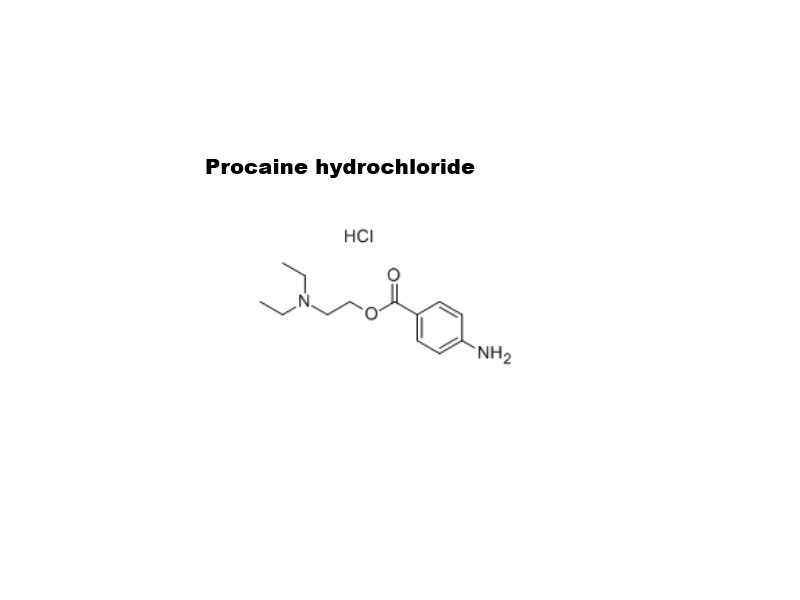
Cloridrato de Procaína CAS 51-05-8 é o sal cloridrato de procaína solúvel em água. É a formulação específica usada na medicina clínica, comercializada sob a famosa marca Procaína.NovocaínaEmbora seu uso na prática clínica tenha diminuído, continua sendo um medicamento historicamente fundamental e ainda é empregado em contextos médicos e terapêuticos específicos.
Detalhes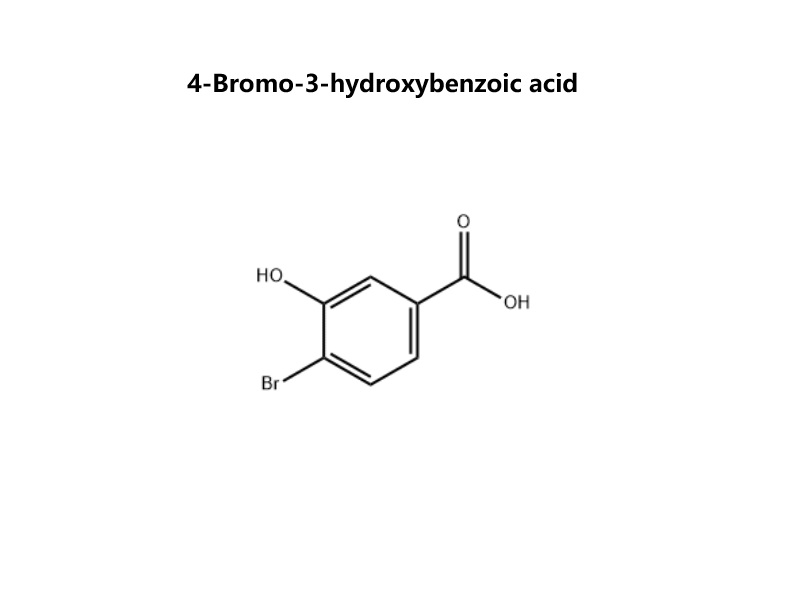
Ácido 4-bromo-3-hidroxibenzoico CAS 14348-38-0 é um Bloco de construção aromático multifuncional premium Projetada para síntese orientada à complexidade. Seu principal valor reside no posicionamento estratégico de três grupos funcionais distintos e ortogonalmente reativos em um anel benzênico, tornando-a uma ferramenta indispensável para a construção molecular convergente em pesquisa e desenvolvimento avançados.
Detalhes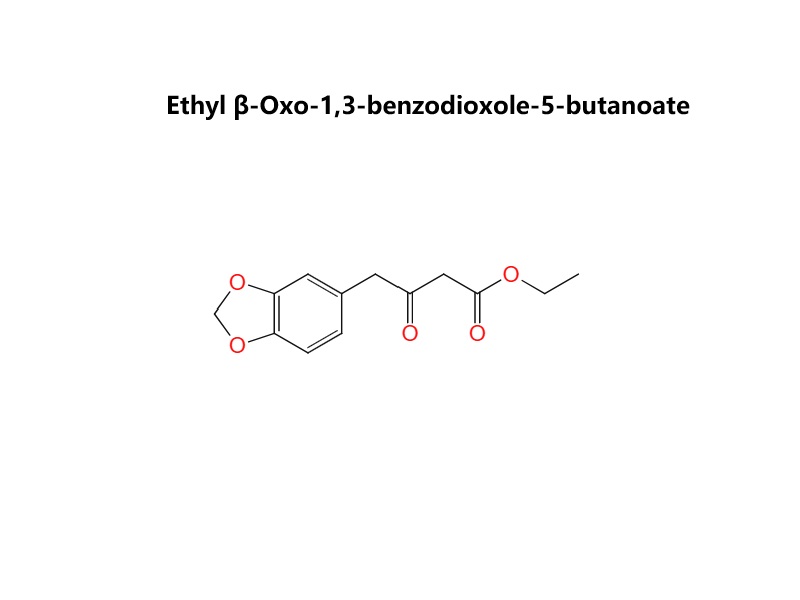
β-Oxo-1,3-benzodioxol-5-butanoato de etila CAS 31127-23-8 é um Derivado β-cetoéster apresentando um Sistema aromático 1,3-benzodioxol (metilenodioxifenil)Estruturalmente, consiste em um anel benzodioxol ligado por uma cadeia de três carbonos a um grupo funcional etil β-cetoéster (-CO-CH₂-COOEt). Isso o torna um bloco de construção bifuncional versátil Para síntese orgânica, combinando as propriedades eletrônicas do grupo benzodioxol com a alta reatividade de um β-cetoéster.
Detalhes![4-Nitrophenyl 3-(Benzo[d][1,3]dioxol-5-yl)-2-methylpropanoate](https://pt.qixiolivetol.com/storage/uploads/images/202604/17/1776427287_qZy87IjHSQ.jpg)
4-Nitrofenil 3-(Benzo[d][1,3]dioxol-5-il)-2-metilpropanoato é um agente acilante pré-ativado e quiralmente definido que combina um farmacóforo benzo[1,3]dioxol (piperonil) metabolicamente estável com a reatividade excepcional de um éster 4-nitrofenil. Permite a introdução eficiente e sem racemização de uma porção ácida quiral complexa em condições brandas, tornando-se indispensável para síntese química avançada e bioconjugação.4-Nitrofenil 3-(Benzo[d][1,3]dioxol-5-il)-2-metilpropanoato É um éster especial projetado como um intermediário bioquímico ou sintético reativo. Sua estrutura combina estrategicamente três unidades principais:(1)A Ácido 3-(benzo[1,3]dioxol-5-il)-2-metilpropanoico fração (ácido quiral substituído por piperonila).(2)A 4-nitrofenil éster saindo do grupo.Esse design o torna um éster ativado, onde o 4-nitrofenol é um excelente grupo de saída, facilitando reações de transferência de acila eficientes em condições brandas.
Detalhes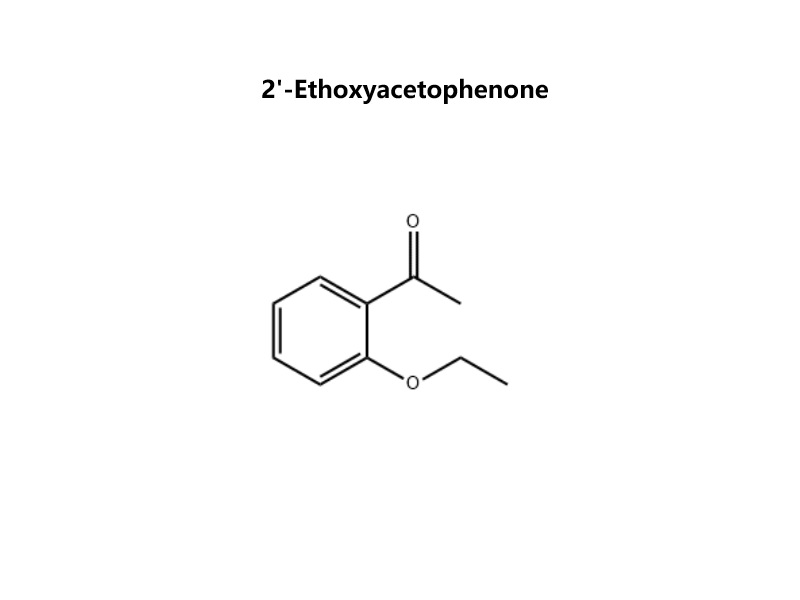
2'-Etoxiacetofenona CAS 2142-67-8 É uma cetona aromática especializada, caracterizada por um substituinte etóxi na posição orto em relação ao grupo acetil. Essa característica estrutural confere propriedades químicas e físicas distintas, tornando-a um bloco de construção privilegiado para a síntese de moléculas complexas, particularmente nos setores de aromas/fragrâncias e farmacêutico.
Detalhes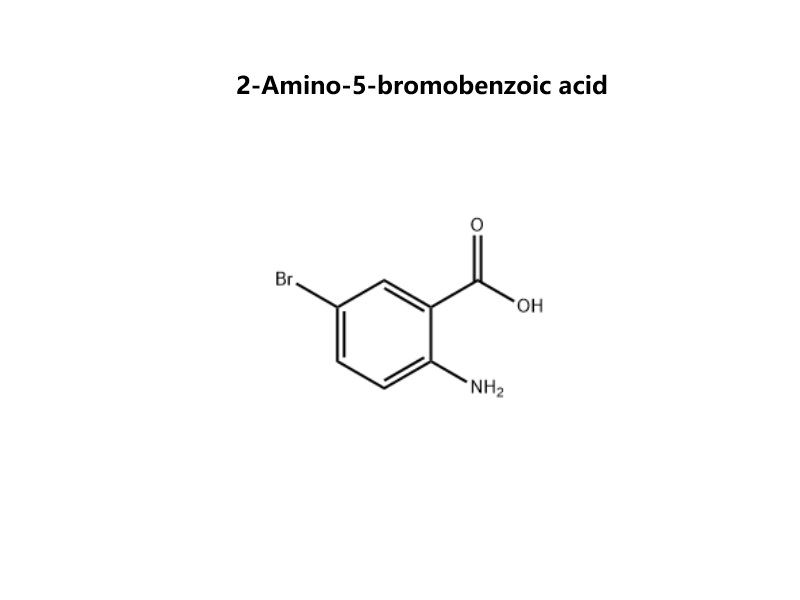
Ácido 2-amino-5-bromobenzoico CAS 5794-88-7 É um bloco de construção aromático altamente versátil que integra três grupos funcionais distintos — uma amina, um ácido carboxílico e um brometo de arila — em uma única estrutura sinteticamente valiosa. Essa multifuncionalidade o torna um intermediário crucial na química farmacêutica e de materiais avançados.
Detalhes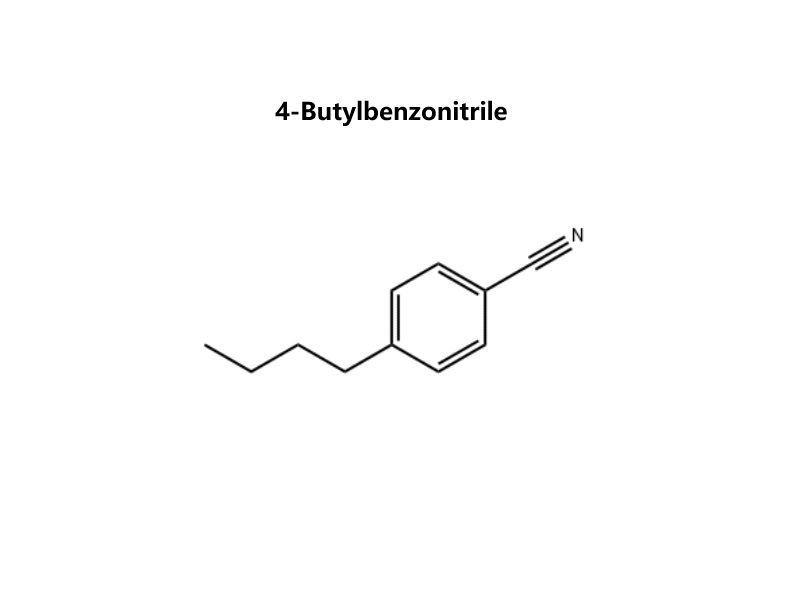
4-Butilbenzonitrila CAS 20651-73-4É um bloco de construção hidrofóbico estrategicamente projetado que combina um núcleo aromático rígido com uma cadeia alquílica linear flexível e um grupo funcional nitrila altamente versátil. Essa tríade de características o torna um intermediário excepcionalmente valioso para modular propriedades físico-químicas e viabilizar diversas vias sintéticas em pesquisas avançadas de materiais, produtos farmacêuticos e agroquímicos.
Detalhes
1,2,4-Trimetoxibenzeno CAS 135-77-3 É um bloco de construção aromático singularmente versátil e rico em elétrons. Seu principal valor reside em seu padrão de substituição assimétrico, porém altamente previsível, que proporciona um controle regioseletivo excepcional em síntese orgânica. Isso o torna uma estrutura privilegiada para a construção de moléculas complexas nas áreas farmacêutica, agroquímica e de materiais avançados.
Detalhes
 CONTATE-NOS
 1st Floor, No. 477, Huancheng West Road, Nanqiao Town, Fengxian District, Shanghai,China
 sales@qxscientific.com
 +86 -13701740203


 IPv6 SUPORTADO POR REDE
|
Mapa do site
|
XML |
Blogue |
política de Privacidade
IPv6 SUPORTADO POR REDE
|
Mapa do site
|
XML |
Blogue |
política de Privacidade
Deixe um recado
Scan to Wechat/Whatsapp :



 Português
 English
 Español
 Português