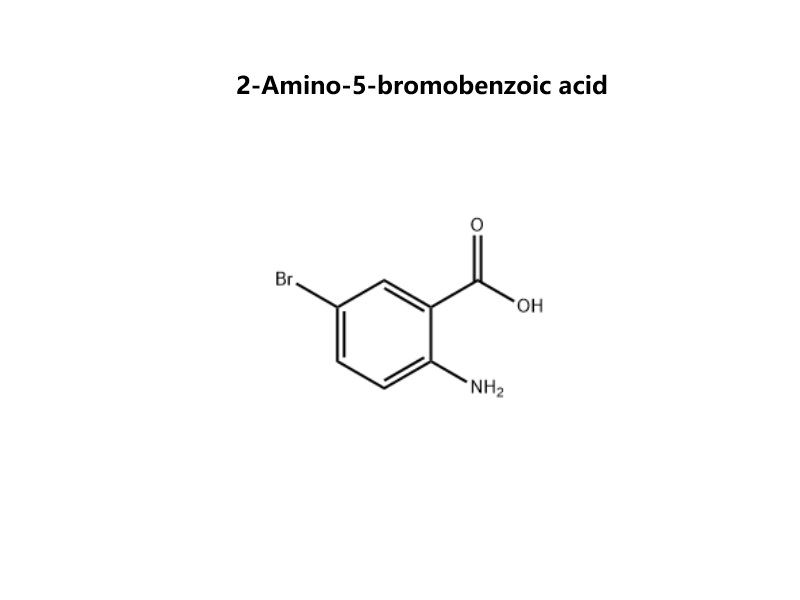
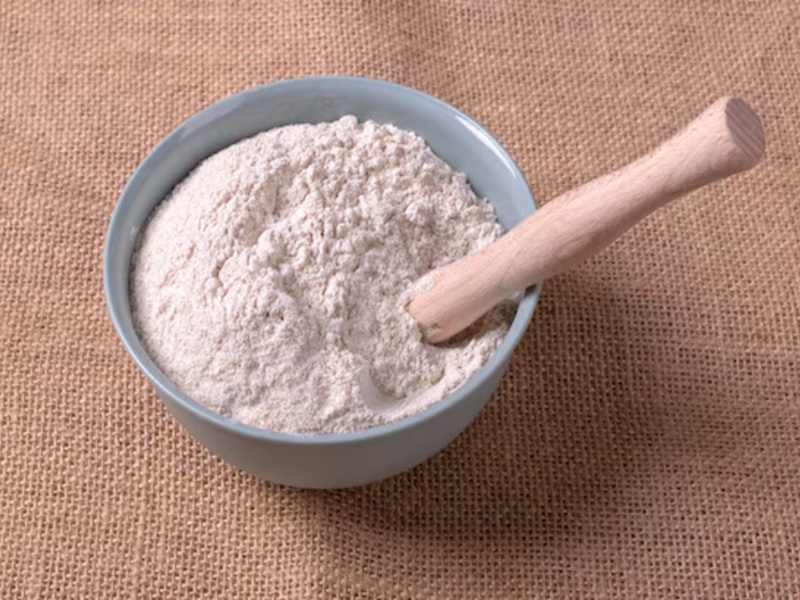
Ácido 2-amino-5-bromobenzoico CAS 5794-88-7 É um bloco de construção aromático altamente versátil que integra três grupos funcionais distintos — uma amina, um ácido carboxílico e um brometo de arila — em uma única estrutura sinteticamente valiosa. Essa multifuncionalidade o torna um intermediário crucial na química farmacêutica e de materiais avançados.
Nome :
2-Amino-5-bromobenzoic acidNº CAS. :
5794-88-7MF :
C₇H₆BrNO₂MW :
216.04Pureza :
98%Aparência :
Typically a light tan to pinkish or beige crystalline powder.Condição de armazenamento :
Store in a tightly sealed container, under an inert atmosphere (argon/nitrogen), protected from light at 2-8°C.Propriedades Químicas
Nome IUPAC: Ácido 2-amino-5-bromobenzoico
Sinônimos comuns: Ácido 5-bromoantranílico
Fórmula molecular: C₇H₆BrNO₂
Peso molecular: 216,04 g/mol
Número de registro CAS: 5794-88-7
Estrutura química: Um derivado do ácido benzoico com um grupo amino (-NH₂) na posição orto (carbono 2) e um átomo de bromo na posição meta (carbono 5) em relação ao grupo ácido carboxílico. Este padrão de trissubstituição 1,2,5 define sua reatividade.
Aparência: Geralmente, trata-se de um pó cristalino de cor castanha clara a rosada ou bege.
Ponto de fusão: ~195-200 °C (pode-se observar decomposição).
Solubilidade:
Solúvel em: Solventes orgânicos polares (DMSO, DMF, metanol, etanol) e bases aquosas (formando sais de amônio e carboxilato).
Pouco solúvel em:Solventes orgânicos apolares (hexano, tolueno), água fria e ácidos diluídos (onde existe como um zwitterion).
Acidez/Basicidade: Apresenta comportamento anfotérico devido à amina básica do tipo anilina (pKb ~9-10) e ao ácido carboxílico (pKa ~4-5). Pode existir como um zwitterion em meio aquoso neutro.
Reatividade chave:
Ácido carboxílico (-COOH): Pode sofrer derivatização padrão para produzir ésteres, amidas e cloretos de ácido.
Amina aromática (-NH₂): Pode ser acilado, alquilado, diazotizado e usado em reações de condensação.
Brometo de arila (-Br): O recurso sinteticamente mais poderoso, que permite reações de acoplamento cruzado catalisadas por paládio (Suzuki, Heck, Sonogashira) para formação direta de ligação CC. O bromo é ativado para acoplamento pelo grupo amina doador de elétrons.
Atividades Biológicas
O composto em si é principalmente um intermediário sintético. Seus derivados são significativos:
Núcleo farmacofórico: Serve como precursor direto de inúmeros medicamentos anti-inflamatórios não esteroides (AINEs) e outros ingredientes farmacêuticos ativos (IFAs). Por exemplo, é um intermediário fundamental na síntese do bromfenaco, um potente AINE usado em oftalmologia.
Agentes antimicrobianos e anticancerígenos: Incorporado na estrutura de vários compostos testados quanto a essas atividades.
Inibidores de Enzimas: Utilizado no desenvolvimento de inibidores onde a porção de ácido benzoico imita substratos naturais.
Biossíntese
Este composto não é produzido por biossíntese comercial. Ele é sintetizado quimicamente por meio de diversas rotas já estabelecidas:
1. Bromação do ácido 2-aminobenzoico (ácido antranílico):A bromação eletrofílica direta usando bromo (Br₂) ou N-bromosuccinimida (NBS) geralmente requer um controle cuidadoso das condições (solvente, temperatura) para alcançar a monobromação seletiva na posição 5.
2. Sequencial a partir de benzenos 1,4-dissubstituídos: Por meio de sequências de nitração, redução e bromação a partir de ácidos benzóicos para-substituídos.
3. Reação de Sandmeyer: Partindo do ácido 2-amino-5-aminobenzoico via diazotação e tratamento com brometo cuproso (CuBr).
Aplicações


Principais vantagens e benefícios
1. Sintão trifuncional para síntese convergente e sequencial
Benefício: Os três grupos funcionais distintos permitem que diversificação gradual e altamente eficiente em qualquer ordem. Isso permite que químicos medicinais construam moléculas complexas a partir de um núcleo simples e comum, usando estratégias diretas de proteção/desproteção e acoplamento, acelerando drasticamente a otimização de compostos líderes.
Cenário de aplicação: Na síntese paralela de uma biblioteca de candidatos a inibidores de quinase, um pesquisador pode:
(1)Primeiro, execute um Acoplamento Suzukisobre o bromo para instalar diversos grupos arila/heteroarila (explorando interações na região de ligação da dobradiça).
(2) Segundo, acilar a aminacom vários cloretos de sulfonila ou cloretos de ácido (explorando a ligação à região exposta ao solvente).
(3)Finalmente, Converter o ácido em uma amida. com diversas aminas (visando o sítio de afinidade).
Essa abordagem sequencial a partir de um único núcleo economiza tempo e recursos significativos.
2. O brometo de arila "ativado" para acoplamento cruzado confiável
Benefício: O bromo está ligado a um anel benzênico que é ativado eletronicamente pelo grupo orto-aminoIsso o torna excepcionalmente reativo em reações de acoplamento cruzado catalisadas por paládio(Suzuki, Buchwald-Hartwig), possibilitando a formação de ligações C–C e C–N em condições brandas com altos rendimentos e excelente tolerância a grupos funcionais.
Cenário de aplicação: Para um químico de processos Ampliação da síntese de um intermediário farmacêutico avançadoA confiabilidade e robustez do acoplamento de Suzuki com esse substrato reduzem o risco de desenvolvimento do processo, melhoram a consistência do rendimento e minimizam a carga de catalisador metálico em comparação com bromoarenos menos ativados.
3. Precursor direto de farmacóforos privilegiados
Benefício: Sua estrutura é uma subestrutura direta de inúmeras moléculas bioativas. Ela serve como... precursor imediato de alta pureza ao núcleo do ácido 2-aminobenzoico (ácido antranílico), um farmacóforo bem conhecido em AINEs e outros agentes terapêuticos.
Cenário de aplicação: Este composto é o Material inicial registrado chave (RSM) na síntese comercial de Bromfenaco, um potente AINE usado em oftalmologia. Sua qualidade definida e padrão de substituição específico são cruciais para os registros regulatórios e para garantir o perfil de pureza do medicamento final.
Ácido 2-amino-5-bromobenzoico é o A escolha do estrategista para a descoberta e o desenvolvimento eficientes de medicamentos.Sua superioridade em relação a análogos mais simples reside em sua trifuncionalidade perfeitamente equilibrada, que proporciona um acesso direto e de alto rendimento ao poderoso conjunto de ferramentas da química de acoplamento cruzado moderna. Para químicos farmacêuticos encarregados de explorar rapidamente o espaço químico, otimizar compostos líderes ou fabricar intermediários-chave de AINEs, este composto oferece uma combinação incomparável de reatividade, confiabilidade e flexibilidade estratégica que se traduz diretamente em cronogramas mais rápidos e processos mais robustos.
Perguntas frequentes
Q1: Este composto possui três grupos reativos. Qual é a estratégia sintética recomendada para funcionalizá-los seletivamente?
A1: Uma estratégia comum e eficaz é proteção/desproteção sequencial:
(1)Proteja a amina como uma acetilamida usando anidrido acético. Isso desativa ligeiramente o anel e evita reações secundárias.
(2) Realize um acoplamento de Suzuki no brometo de arila agora estabilizado.
(3)Hidrolisar a acetamida de volta à amina livre.
(4)Finalmente, modifique o ácido carboxílico (por exemplo, forme uma amida) ou a amina regenerada conforme necessário. Esta abordagem oferece controle máximo.
Q2: Qual o grau de estabilidade do brometo de arila em relação à hidrólise ou ao deslocamento da amina?
A2: O brometo é relativamente estável Em condições padrão de hidrólise ácida ou básica, devido à sua ligação a um anel benzênico rico em elétrons (ativado pela amina), o composto não é suscetível a simples deslocamento nucleofílico pela amina em condições normais de armazenamento ou reação branda, prevenindo a ciclização intramolecular para a formação de subprodutos indesejados.
Q3: Quais são as melhores condições de armazenamento para evitar descoloração e decomposição?
A3: Armazene em um Recipiente hermeticamente fechado, sob atmosfera inerte (argônio/nitrogênio), protegido da luz, a 2-8°C.O grupo amina pode oxidar com o tempo, causando escurecimento. O armazenamento refrigerado e em ambiente seco é ideal para a estabilidade a longo prazo. Descarte qualquer material que tenha ficado marrom escuro ou preto.
Q4: Qual sistema de solventes é recomendado para reações de acoplamento amídico envolvendo ácido carboxílico?
A4: Devido à sua natureza anfotérica e potencial formação de zwitteriões, o sucesso geralmente requer solventes apróticos polares, como DMF ou DMSO. A pré-ativação do ácido (por exemplo, formando um cloreto de ácido com SOCl₂ em THF ou usando agentes de acoplamento como HATU/DIPEA em DMF) é altamente eficaz. Certifique-se de que a amina (se livre) esteja protegida ou contabilizada na estequiometria.
Q5: Está disponível em grandes quantidades para o desenvolvimento de processos químicos?
A5: Sim. Como um intermediário chave na fabricação farmacêutica (por exemplo, para o bromfenaco), ele é produzido em um escala de vários quilogramas a toneladaspor diversos fabricantes de produtos químicos finos. Para consultas sobre projetos de grande porte (>10 kg), o contato direto com os fornecedores para obter pacotes técnicos detalhados é essencial.
Q6: Como a pureza é normalmente avaliada e qual é o perfil de impurezas mais comum?
A6: A análise de pureza padrão é feita por HPLC (detecção UV)As impurezas comuns incluem:
Material de partida (ácido 2-aminobenzoico).
Subprodutos dibromados (ex.: ácido 2-amino-3,5-dibromobenzoico).
Produtos de oxidação da amina.
Um certificado de análise (CoA) de alta qualidade deve especificar pureza ≥98% (HPLC) e incluir ¹H RMNDados que confirmam o padrão de substituição e a ausência de isômeros principais.
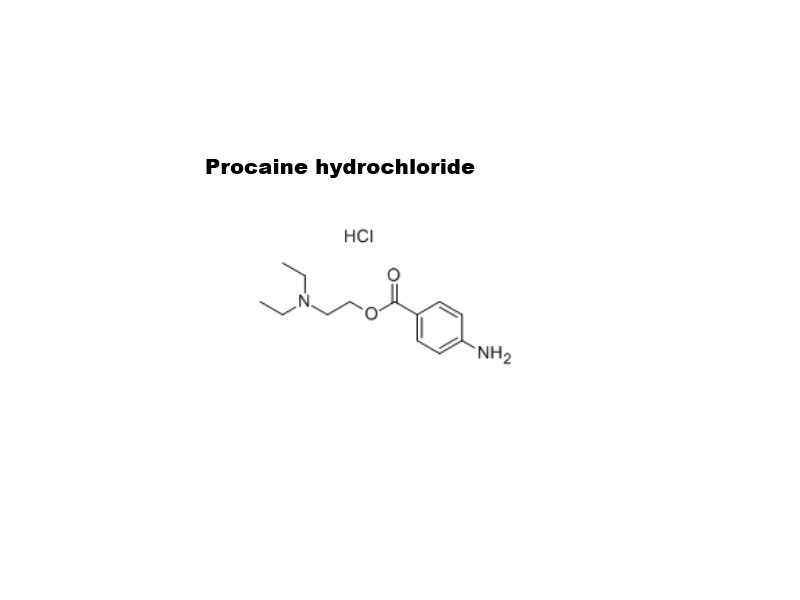
Cloridrato de Procaína CAS 51-05-8 é o sal cloridrato de procaína solúvel em água. É a formulação específica usada na medicina clínica, comercializada sob a famosa marca Procaína.NovocaínaEmbora seu uso na prática clínica tenha diminuído, continua sendo um medicamento historicamente fundamental e ainda é empregado em contextos médicos e terapêuticos específicos.
Detalhes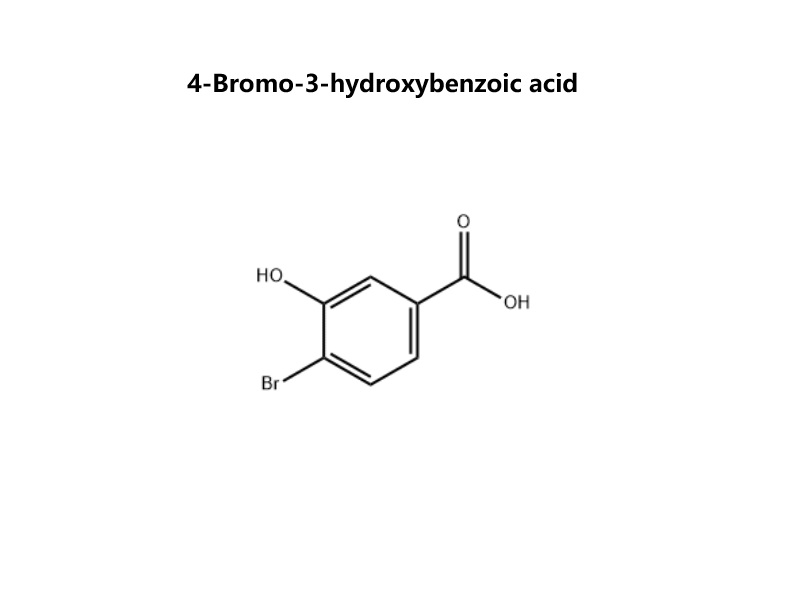
Ácido 4-bromo-3-hidroxibenzoico CAS 14348-38-0 é um Bloco de construção aromático multifuncional premium Projetada para síntese orientada à complexidade. Seu principal valor reside no posicionamento estratégico de três grupos funcionais distintos e ortogonalmente reativos em um anel benzênico, tornando-a uma ferramenta indispensável para a construção molecular convergente em pesquisa e desenvolvimento avançados.
Detalhes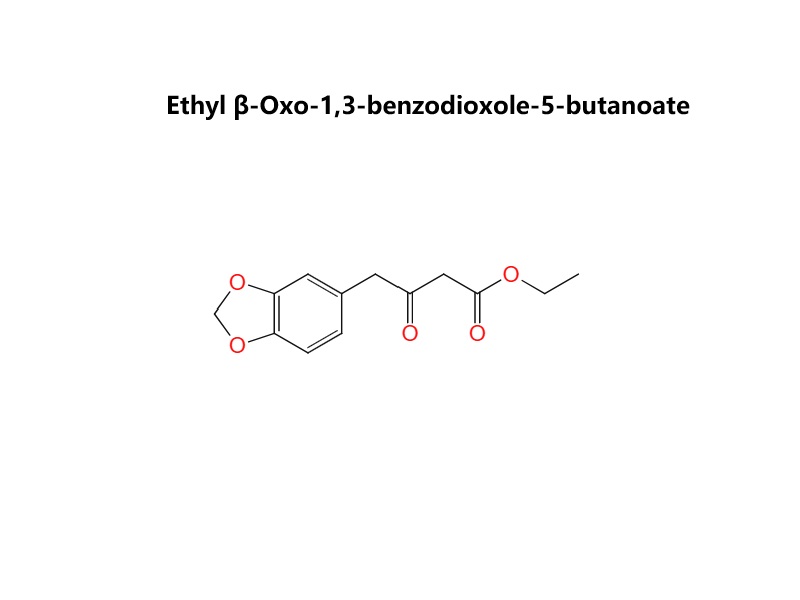
β-Oxo-1,3-benzodioxol-5-butanoato de etila CAS 31127-23-8 é um Derivado β-cetoéster apresentando um Sistema aromático 1,3-benzodioxol (metilenodioxifenil)Estruturalmente, consiste em um anel benzodioxol ligado por uma cadeia de três carbonos a um grupo funcional etil β-cetoéster (-CO-CH₂-COOEt). Isso o torna um bloco de construção bifuncional versátil Para síntese orgânica, combinando as propriedades eletrônicas do grupo benzodioxol com a alta reatividade de um β-cetoéster.
Detalhes![4-Nitrophenyl 3-(Benzo[d][1,3]dioxol-5-yl)-2-methylpropanoate](https://pt.qixiolivetol.com/storage/uploads/images/202604/17/1776427287_qZy87IjHSQ.jpg)
4-Nitrofenil 3-(Benzo[d][1,3]dioxol-5-il)-2-metilpropanoato é um agente acilante pré-ativado e quiralmente definido que combina um farmacóforo benzo[1,3]dioxol (piperonil) metabolicamente estável com a reatividade excepcional de um éster 4-nitrofenil. Permite a introdução eficiente e sem racemização de uma porção ácida quiral complexa em condições brandas, tornando-se indispensável para síntese química avançada e bioconjugação.4-Nitrofenil 3-(Benzo[d][1,3]dioxol-5-il)-2-metilpropanoato É um éster especial projetado como um intermediário bioquímico ou sintético reativo. Sua estrutura combina estrategicamente três unidades principais:(1)A Ácido 3-(benzo[1,3]dioxol-5-il)-2-metilpropanoico fração (ácido quiral substituído por piperonila).(2)A 4-nitrofenil éster saindo do grupo.Esse design o torna um éster ativado, onde o 4-nitrofenol é um excelente grupo de saída, facilitando reações de transferência de acila eficientes em condições brandas.
Detalhes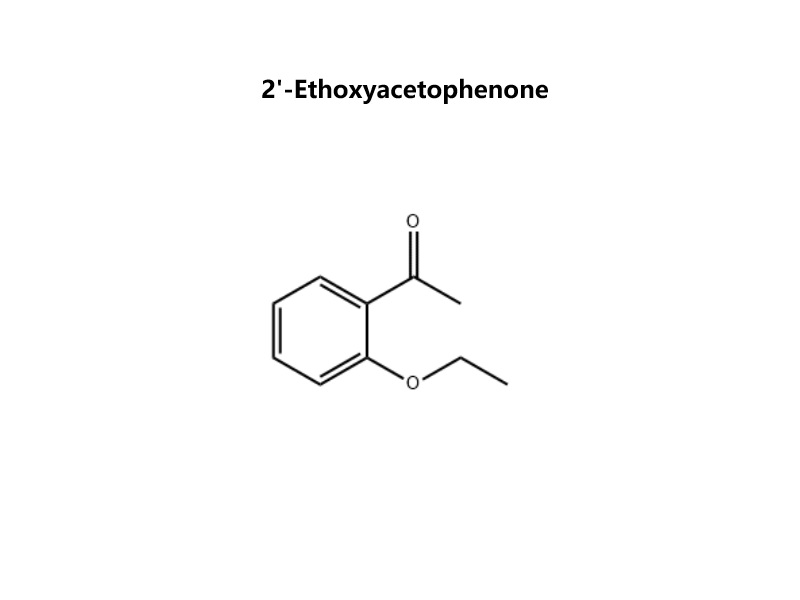
2'-Etoxiacetofenona CAS 2142-67-8 É uma cetona aromática especializada, caracterizada por um substituinte etóxi na posição orto em relação ao grupo acetil. Essa característica estrutural confere propriedades químicas e físicas distintas, tornando-a um bloco de construção privilegiado para a síntese de moléculas complexas, particularmente nos setores de aromas/fragrâncias e farmacêutico.
Detalhes
Ácido 2-amino-5-bromobenzoico CAS 5794-88-7 É um bloco de construção aromático altamente versátil que integra três grupos funcionais distintos — uma amina, um ácido carboxílico e um brometo de arila — em uma única estrutura sinteticamente valiosa. Essa multifuncionalidade o torna um intermediário crucial na química farmacêutica e de materiais avançados.
Detalhes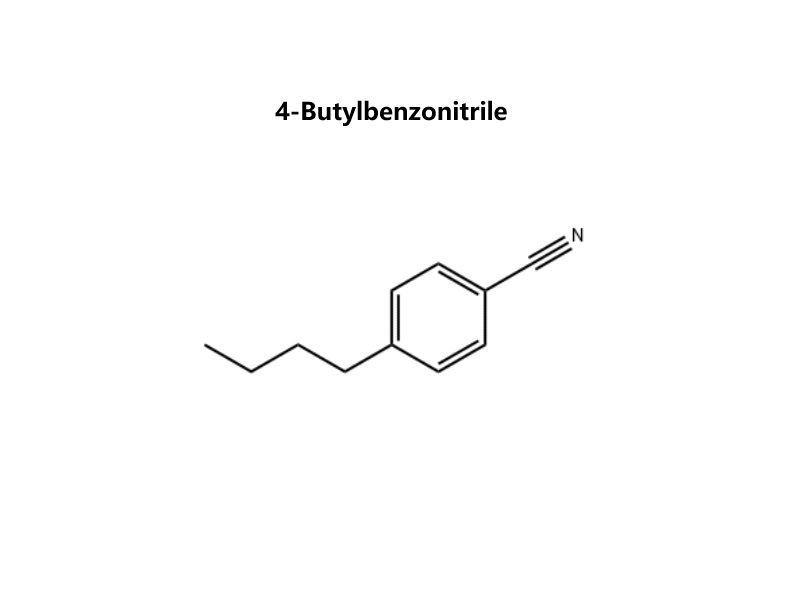
4-Butilbenzonitrila CAS 20651-73-4É um bloco de construção hidrofóbico estrategicamente projetado que combina um núcleo aromático rígido com uma cadeia alquílica linear flexível e um grupo funcional nitrila altamente versátil. Essa tríade de características o torna um intermediário excepcionalmente valioso para modular propriedades físico-químicas e viabilizar diversas vias sintéticas em pesquisas avançadas de materiais, produtos farmacêuticos e agroquímicos.
Detalhes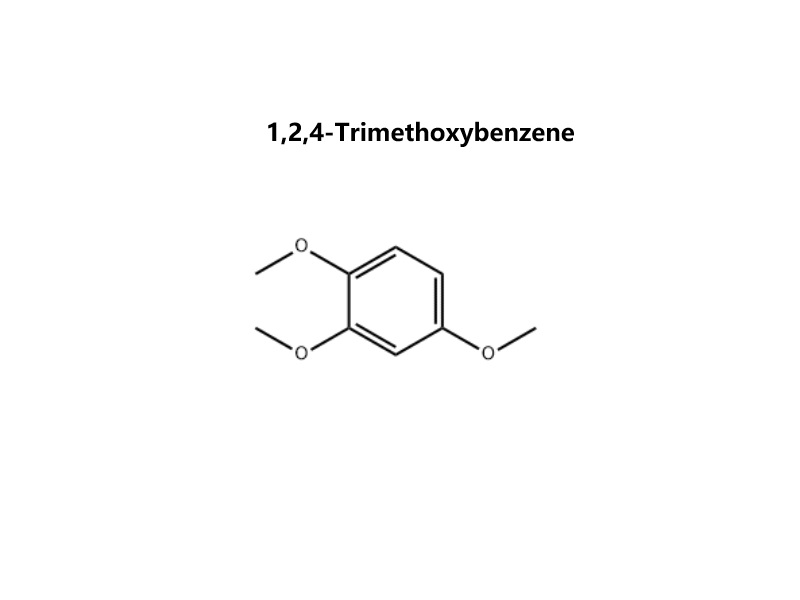
1,2,4-Trimetoxibenzeno CAS 135-77-3 É um bloco de construção aromático singularmente versátil e rico em elétrons. Seu principal valor reside em seu padrão de substituição assimétrico, porém altamente previsível, que proporciona um controle regioseletivo excepcional em síntese orgânica. Isso o torna uma estrutura privilegiada para a construção de moléculas complexas nas áreas farmacêutica, agroquímica e de materiais avançados.
Detalhes
 CONTATE-NOS
 1st Floor, No. 477, Huancheng West Road, Nanqiao Town, Fengxian District, Shanghai,China
 sales@qxscientific.com
 +86 -13701740203


 IPv6 SUPORTADO POR REDE
|
Mapa do site
|
XML |
Blogue |
política de Privacidade
IPv6 SUPORTADO POR REDE
|
Mapa do site
|
XML |
Blogue |
política de Privacidade
Deixe um recado
Scan to Wechat/Whatsapp :



 Português
 English
 Español
 Português