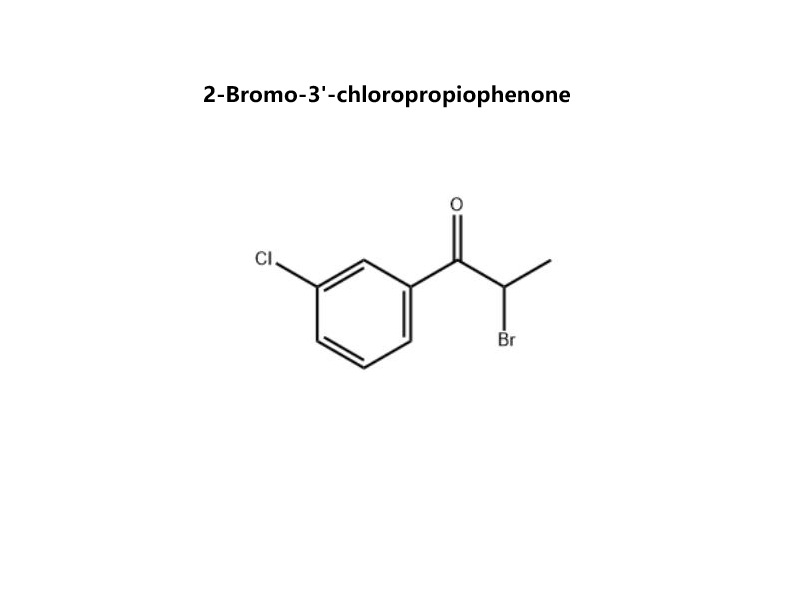
2-Bromo-3'-cloropropiofenona CAS 34911-51-8é uma cetona aromática halogenada que serve como um intermediário sintético especializado Na química orgânica e medicinal, sua estrutura, que apresenta tanto uma porção α-bromo cetona reativa quanto um anel aromático halogenado, torna-a um bloco de construção versátil, porém sensível, para a síntese de moléculas mais complexas, particularmente na pesquisa farmacêutica.
Nome :
2-Bromo-3'-chloropropiophenoneNº CAS. :
34911-51-8MF :
C₉H₈BrClOMW :
247.52Pureza :
99%Aparência :
Colorless to pale yellow liquidCondição de armazenamento :
Store at 2-8°C (refrigerated) or lower for long-term stability.Propriedades Químicas
Nome químico: 2-Bromo-1-(3-clorofenil)propan-1-ona
Nome IUPAC:2-Bromo-1-(3-clorofenil)propan-1-ona
Número de registro CAS: 34911-51-8
Fórmula molecular: C₉H₈BrClO
Peso molecular: 247,52 g/mol
Estrutura química: Consiste em uma estrutura de propiofenona onde o grupo carbonila na posição 1 está ligado a um anel 3-clorofenil, e o carbono alfa (posição 2) é substituído por um átomo de bromo. Essa estrutura de α-halo cetona é fundamental para sua reatividade.
Aparência: Líquido incolor a amarelo pálido
Ponto de fusão: ~45-48 °C (pode variar dependendo da pureza).
Solubilidade: Solúvel em solventes orgânicos comuns, como diclorometano, acetato de etila, acetona e dimetilformamida (DMF). Praticamente insolúvel em água.
Estabilidade: Altamente sensível. Como uma α-halo cetona, é suscetível à degradação por hidrólise, desidroalogenação e polimerização, especialmente quando exposta a calor, luz, umidade ou bases. Requer condições de armazenamento rigorosas.
Reatividade: O bromo na posição alfa é um excelente grupo de saída, tornando-o altamente eletrofílico. Ele sofre facilmente reações de substituição nucleofílica (por exemplo, com aminas para formar aminocetonas) e é um precursor comum na síntese de compostos heterocíclicos (por exemplo, para furanos e pirróis).
Atividades Biológicas
2-Bromo-3'-cloropropiofenona Não é um ingrediente farmacêutico ativo (IFA).Sua importância biológica reside unicamente em sua função como um(a)precursor sintético.
Atividade intermediária: Ele foi projetado para ser transformado quimicamente. Sua principal "atividade" é introduzir um esqueleto de 2-amino-1-(3-clorofenil)propan-1-ona (uma catinona substituída por cloro) em moléculas por meio do deslocamento nucleofílico do bromo.
Potencial Derivado: Os compostos derivados desse intermediário podem apresentar diversos perfis farmacológicos já pesquisados. A molécula original, por sua vez, não possui uso terapêutico comprovado.
Biossíntese
Este composto não é produzido por vias biológicas. Ele é sintetizado através de síntese orgânica clássicaEm escala laboratorial ou industrial.
Rota comum: A síntese mais direta envolve aα-bromação da 3'-cloropropiofenonaIsso é normalmente conseguido usando um agente bromante (por exemplo, bromo (Br₂) ou N-bromosuccinimida (NBS)) em um solvente inerte como diclorometano ou tetracloreto de carbono, frequentemente em condições brandas ou com iniciação catalítica.
Precursor: A 3'-cloropropiofenona é geralmente sintetizada por meio da acilação de Friedel-Crafts do clorobenzeno.
Aplicações


Perguntas frequentes
Q1: Qual é a principal finalidade deste produto químico?
A1: 2-Bromo-3'-cloropropiofenona é exclusivamente um(a) intermediário químico de grau de pesquisaSua única finalidade legítima é servir como um bloco de construção reativo em síntese orgânica em laboratórios licenciados de pesquisa e desenvolvimento, principalmente para pesquisa farmacêutica ou de materiais avançados.
Q2: Como esse composto deve ser armazenado para manter sua estabilidade?
A2: É necessário protocolos de armazenamento rigorosos:
Temperatura: Loja em 2-8°C (refrigerado) ou inferior para estabilidade a longo prazo.
Atmosfera: Sob umgás inerte(argônio ou nitrogênio) em um recipiente hermeticamente fechado.
Ambiente: Proteger da luz, umidade e ar.Recomenda-se o uso de dessecantes.
Prazo de validade: Mesmo em condições ideais, seu prazo de validade é limitado. Recomenda-se reavaliação frequente da qualidade.
Q3: Este composto é uma substância controlada ou regulamentada?
A3:Sim, é altamente regulamentado. Em diversas jurisdições (incluindo os EUA, a China, os Estados-Membros da UE e outras), a 2-bromo-3'-cloropropiofenona consta da lista de precursores controlados ou substâncias químicas regulamentadas, por poder ser utilizada na síntese ilícita de substâncias controladas. Sua compra, venda, armazenamento e uso estão sujeitos a rigorosos controles legais, licenciamento e exigências de notificação.
Q4: Você pode fornecer este produto? E qual a documentação necessária?
A4: Nós fornecemos este produto.apenasPara entidades verificadas e legítimas (por exemplo, institutos de pesquisa credenciados, empresas farmacêuticas) para fins de pesquisa aprovados. O processo exige:
Comprovação da atividade comercial/licença legítima do usuário final.
Preenchimento de uma declaração de conformidade e de utilização final.
Cumprimento de todas as normas internacionais e nacionais aplicáveis.
Fornecemos uma descrição detalhada. Certificado de Análise (CoA) e Ficha de Dados de Segurança (SDS).
Q5: Qual é o grau de pureza típico disponível e como ele é analisado?
A5: Os graus de pureza padrão são ≥97% a ≥99% (por HPLC ou GC). O Certificado de Análise inclui ensaio de pureza, confirmação de identidade (por RMN ou FTIR) e pode incluir testes para impurezas específicas. Devido à sua instabilidade, dados específicos do lote são cruciais.
Q6: Quais precauções de segurança são necessárias ao manuseá-lo?
A6: É um lacrimogêneo (agente lacrimal) e irritante para a pele e os olhos. Manuseie apenas em um ambiente controlado.capela de exaustão bem ventiladaUtilize os equipamentos de proteção individual (EPI) adequados: luvas de nitrilo ou resistentes a produtos químicos, óculos de segurança e jaleco. Evite a inalação e o contato. Consulte a FISPQ para obter informações completas sobre primeiros socorros e medidas de combate a incêndio.
Aviso: Esta informação destina-se aComunicação exclusivamente científica e entre empresas (B2B). A 2-bromo-3'-cloropropiofenona (CAS 34911-51-8) é uma substância química regulamentada com restrições legais significativas.Não destinado ao uso pelo consumidor. Todas as atividades devem estar em conformidade com as leis e regulamentos do país de compra, venda e uso. O fornecedor e o comprador assumem total responsabilidade legal pelo cumprimento dessas leis e regulamentos.
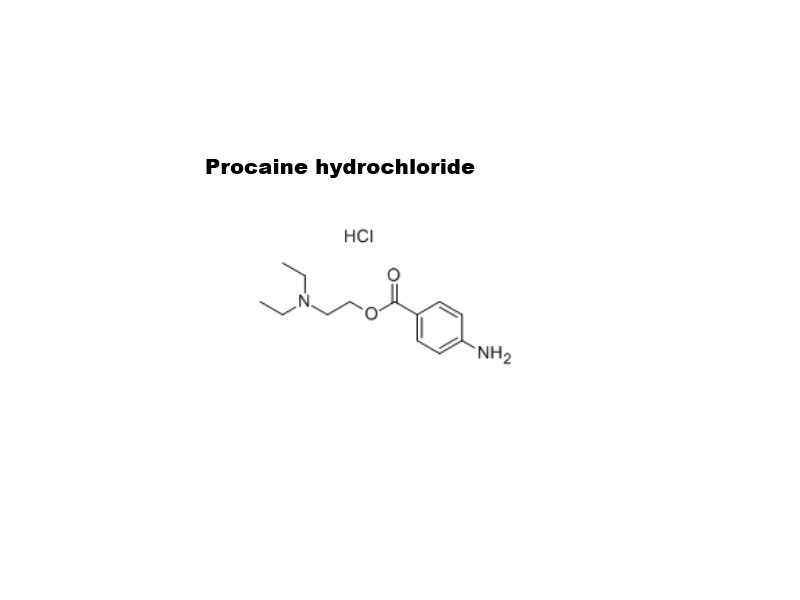
Cloridrato de Procaína CAS 51-05-8 é o sal cloridrato de procaína solúvel em água. É a formulação específica usada na medicina clínica, comercializada sob a famosa marca Procaína.NovocaínaEmbora seu uso na prática clínica tenha diminuído, continua sendo um medicamento historicamente fundamental e ainda é empregado em contextos médicos e terapêuticos específicos.
Detalhes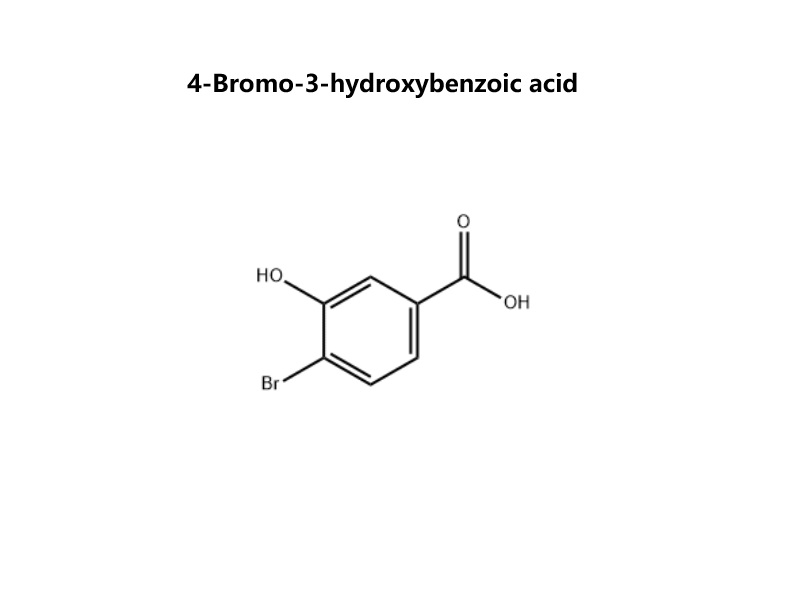
Ácido 4-bromo-3-hidroxibenzoico CAS 14348-38-0 é um Bloco de construção aromático multifuncional premium Projetada para síntese orientada à complexidade. Seu principal valor reside no posicionamento estratégico de três grupos funcionais distintos e ortogonalmente reativos em um anel benzênico, tornando-a uma ferramenta indispensável para a construção molecular convergente em pesquisa e desenvolvimento avançados.
Detalhes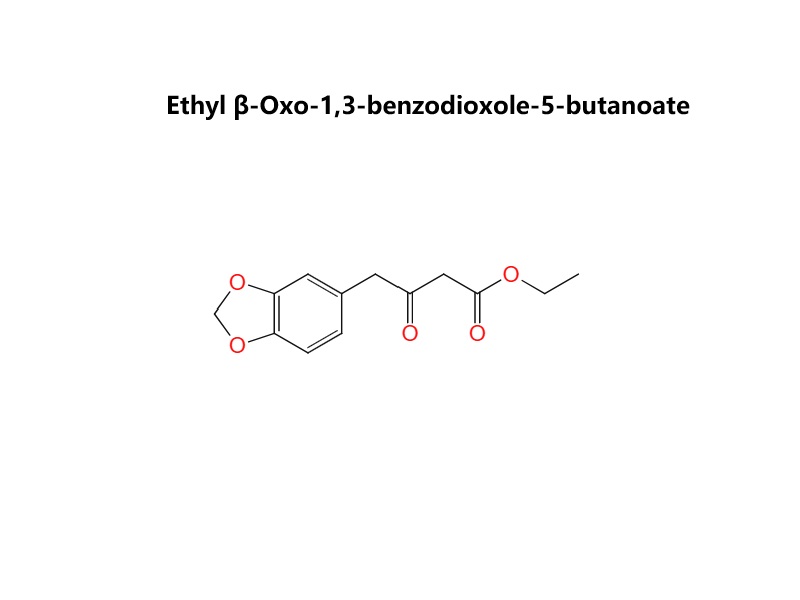
β-Oxo-1,3-benzodioxol-5-butanoato de etila CAS 31127-23-8 é um Derivado β-cetoéster apresentando um Sistema aromático 1,3-benzodioxol (metilenodioxifenil)Estruturalmente, consiste em um anel benzodioxol ligado por uma cadeia de três carbonos a um grupo funcional etil β-cetoéster (-CO-CH₂-COOEt). Isso o torna um bloco de construção bifuncional versátil Para síntese orgânica, combinando as propriedades eletrônicas do grupo benzodioxol com a alta reatividade de um β-cetoéster.
Detalhes![4-Nitrophenyl 3-(Benzo[d][1,3]dioxol-5-yl)-2-methylpropanoate](https://pt.qixiolivetol.com/storage/uploads/images/202604/17/1776427287_qZy87IjHSQ.jpg)
4-Nitrofenil 3-(Benzo[d][1,3]dioxol-5-il)-2-metilpropanoato é um agente acilante pré-ativado e quiralmente definido que combina um farmacóforo benzo[1,3]dioxol (piperonil) metabolicamente estável com a reatividade excepcional de um éster 4-nitrofenil. Permite a introdução eficiente e sem racemização de uma porção ácida quiral complexa em condições brandas, tornando-se indispensável para síntese química avançada e bioconjugação.4-Nitrofenil 3-(Benzo[d][1,3]dioxol-5-il)-2-metilpropanoato É um éster especial projetado como um intermediário bioquímico ou sintético reativo. Sua estrutura combina estrategicamente três unidades principais:(1)A Ácido 3-(benzo[1,3]dioxol-5-il)-2-metilpropanoico fração (ácido quiral substituído por piperonila).(2)A 4-nitrofenil éster saindo do grupo.Esse design o torna um éster ativado, onde o 4-nitrofenol é um excelente grupo de saída, facilitando reações de transferência de acila eficientes em condições brandas.
Detalhes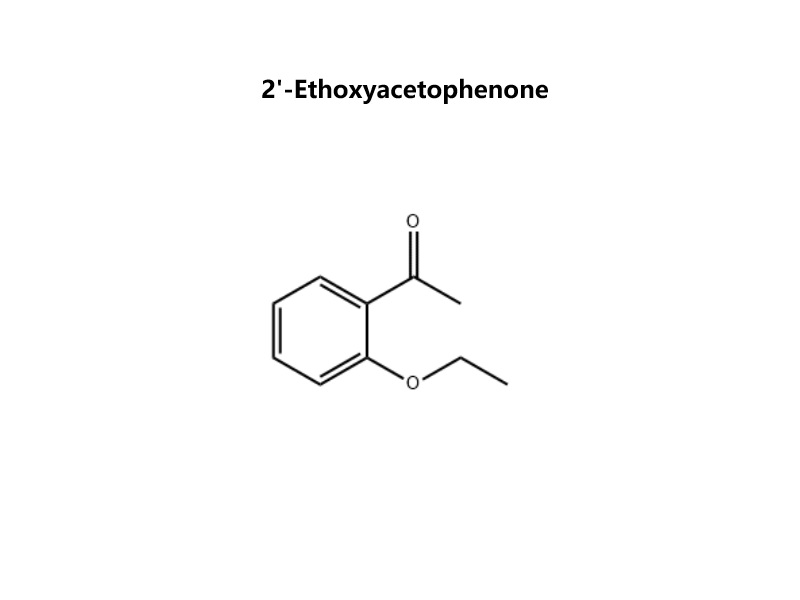
2'-Etoxiacetofenona CAS 2142-67-8 É uma cetona aromática especializada, caracterizada por um substituinte etóxi na posição orto em relação ao grupo acetil. Essa característica estrutural confere propriedades químicas e físicas distintas, tornando-a um bloco de construção privilegiado para a síntese de moléculas complexas, particularmente nos setores de aromas/fragrâncias e farmacêutico.
Detalhes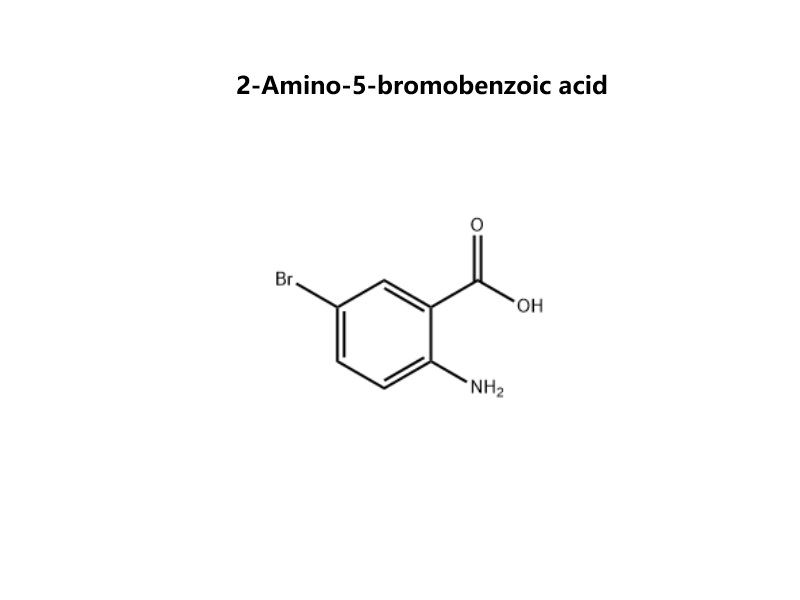
Ácido 2-amino-5-bromobenzoico CAS 5794-88-7 É um bloco de construção aromático altamente versátil que integra três grupos funcionais distintos — uma amina, um ácido carboxílico e um brometo de arila — em uma única estrutura sinteticamente valiosa. Essa multifuncionalidade o torna um intermediário crucial na química farmacêutica e de materiais avançados.
Detalhes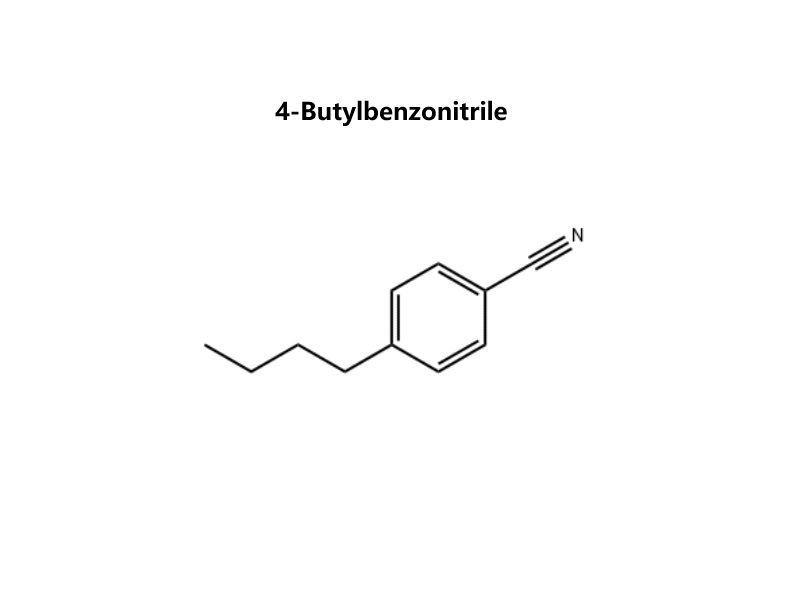
4-Butilbenzonitrila CAS 20651-73-4É um bloco de construção hidrofóbico estrategicamente projetado que combina um núcleo aromático rígido com uma cadeia alquílica linear flexível e um grupo funcional nitrila altamente versátil. Essa tríade de características o torna um intermediário excepcionalmente valioso para modular propriedades físico-químicas e viabilizar diversas vias sintéticas em pesquisas avançadas de materiais, produtos farmacêuticos e agroquímicos.
Detalhes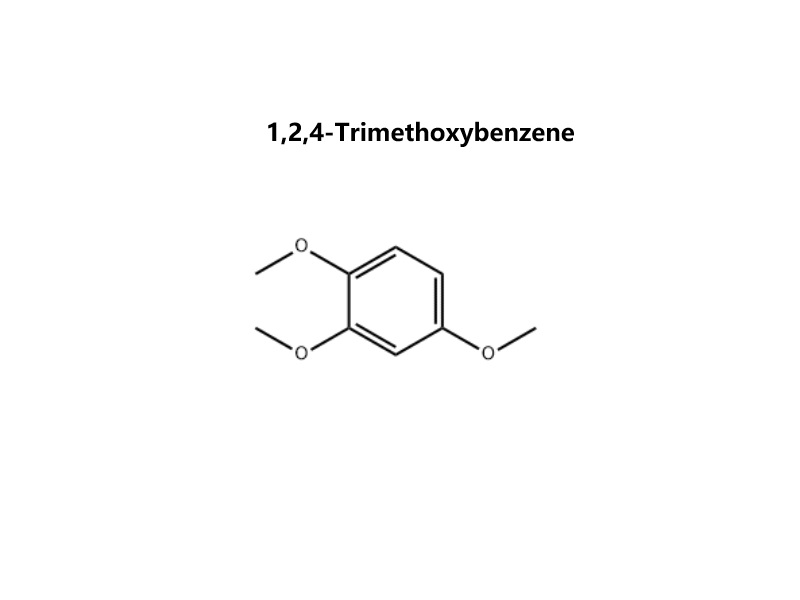
1,2,4-Trimetoxibenzeno CAS 135-77-3 É um bloco de construção aromático singularmente versátil e rico em elétrons. Seu principal valor reside em seu padrão de substituição assimétrico, porém altamente previsível, que proporciona um controle regioseletivo excepcional em síntese orgânica. Isso o torna uma estrutura privilegiada para a construção de moléculas complexas nas áreas farmacêutica, agroquímica e de materiais avançados.
Detalhes
 CONTATE-NOS
 1st Floor, No. 477, Huancheng West Road, Nanqiao Town, Fengxian District, Shanghai,China
 sales@qxscientific.com
 +86 -13701740203


 IPv6 SUPORTADO POR REDE
|
Mapa do site
|
XML |
Blogue |
política de Privacidade
IPv6 SUPORTADO POR REDE
|
Mapa do site
|
XML |
Blogue |
política de Privacidade
Deixe um recado
Scan to Wechat/Whatsapp :



 Português
 English
 Español
 Português