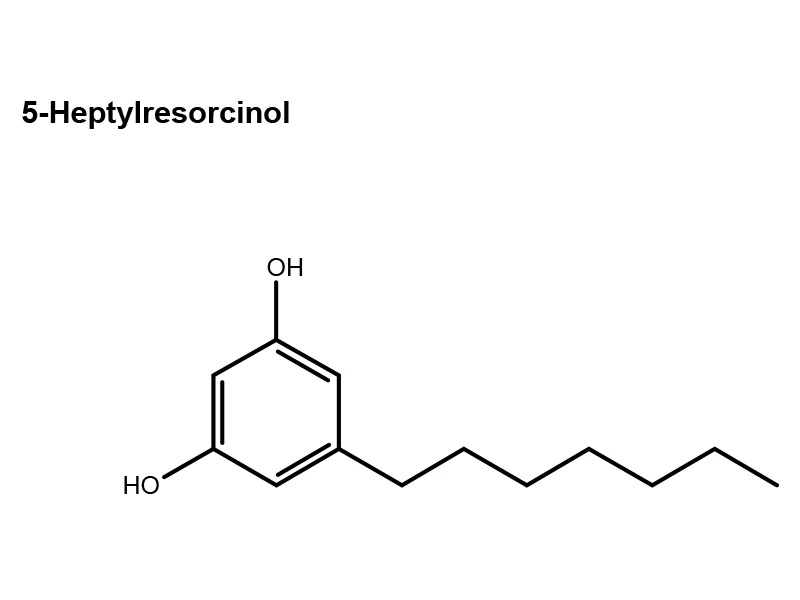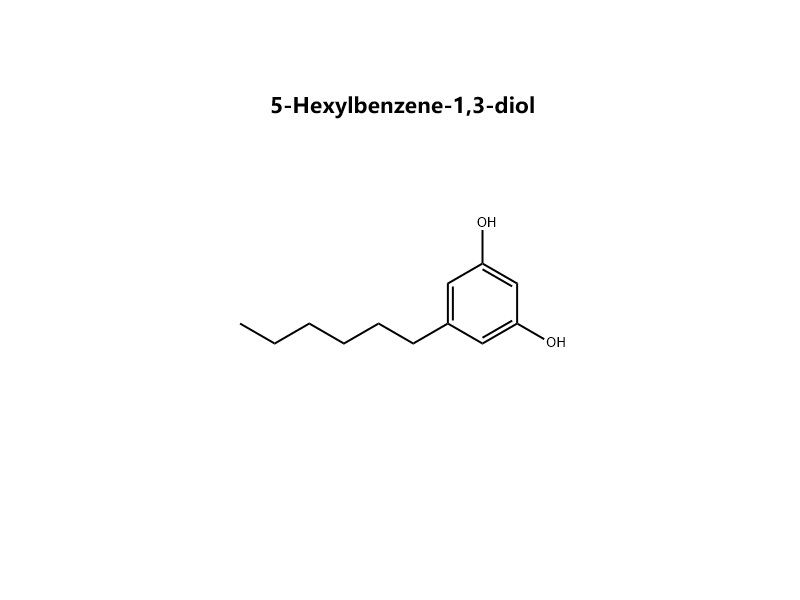

5-Hexilbenzeno-1,3-diol CAS 5465-20-3(5-Hexilresorcinol) é um composto fenólico anfifílico versátilvalorizado por sua forte inibição da tirosinase, propriedades antimicrobianas e antioxidantesDesempenha funções cruciais em agentes cosméticos clareadores da pele, conservantes alimentares e antissépticos farmacêuticosSeu valor reside em sua dupla funcionalidade, que une eficácia e flexibilidade de formulação.
Nome :
5-Hexylbenzene-1,3-diolNº CAS. :
5465-20-3MF :
C₁₂H₁₈O₂MW :
194.27Pureza :
99%Aparência :
Typically appears as white to light-beige crystalline flakes or powderCondição de armazenamento :
Store in a cool, dry place (2-8°C recommended) in airtight, light-resistant containers.
Propriedades Químicas
Nome IUPAC: 5-Hexilbenzeno-1,3-diol
Nome comum: 5-Hexilresorcinol
Número de registro CAS: 5465-20-3
Fórmula molecular: C₁₂H₁₈O₂
Peso molecular: 194,27 g/mol
Estrutura química: Um derivado de resorcinol (1,3-diidroxibenzeno) com uma cadeia hexil linear (-C₆H₁₃) substituída na posição 5 do anel aromático.
Aparência: Geralmente se apresenta como flocos ou pó cristalino branco a bege claro.
Principais características:Combina a reatividade do diol aromático do resorcinol com o caráter lipofílico de uma cadeia hexil, tornando-o anfifílico.
Ponto de fusão: ~68-72 °C.
Solubilidade: Moderadamente solúvel em solventes orgânicos (etanol, acetona, éter, clorofórmio). Muito pouco solúvel em água.
Reatividade:
Grupos fenólicos ácidos: Pode formar sais, ésteres e éteres.
Substituição eletrofílica: O anel aromático é ativado para substituição (por exemplo, halogenação, acilação) devido aos dois grupos hidroxila doadores de elétrons.
Potencial de Quelação: Pode atuar como um ligante bidentado para íons metálicos.
Atividade antioxidante: Atua como um eliminador de radicais livres, inibindo os processos de oxidação.
Estabilidade: Estável em condições ambientais, mas pode escurecer com exposição prolongada ao ar e à luz. Deve ser armazenado em local fresco e escuro, em recipientes hermeticamente fechados.
Atividades Biológicas
Este composto apresenta uma série de propriedades bioativas, atribuídas principalmente ao núcleo resorcinol e à sua cadeia alquílica:
Antimicrobiano/Antisséptico: Eficaz contra bactérias, fungos e parasitas. O mecanismo envolve a ruptura das membranas celulares microbianas e a inibição enzimática.
Anti-helmíntico:Utilizado na medicina como tratamento para certas infecções por vermes parasitas (ex.: tênia).
Inibição da tirosinase: Atua como um inibidor competitivo da enzima tirosinase, envolvida na produção de melanina. Isso justifica seu uso em cosméticos clareadores da pele.
Antioxidante: Elimina radicais livres, proporcionando efeitos protetores contra o estresse oxidativo.
Anestésico local e analgésico: Possui propriedades anestésicas leves nas membranas mucosas.
Biossíntese
O 5-hexilresorcinol não é um produto natural majoritário, mas está relacionado aos alquilresorcinóis, que são sintetizados naturalmente em plantas (por exemplo, no farelo de cereais como trigo e centeio) e em algumas bactérias e fungos.
Via natural (alquilresorcinóis):Nas plantas, a biossíntese normalmente envolve uma poliquetídeo sintase do tipo III. Um acil-CoA graxo inicial (por exemplo, hexanoil-CoA) sofre adições sequenciais de malonil-CoA, ciclização e aromatização para formar a estrutura do alquilresorcinol.
Produção comercial: É fabricado principalmente através de síntese químicaPara uso industrial, não por meio de biossíntese. As rotas sintéticas comuns envolvem a acilação de Friedel-Crafts do resorcinol seguida de redução, ou outros métodos de alquilação.
Aplicações




Perguntas frequentes
Q1: Qual é o principal argumento de venda do 5-hexilresorcinol para formulações cosméticas?
A: Sua principal vantagem é a atividade inibidora da tirosinase potente e bem documentada, tornando-o um dos ingredientes não hidroquinônicos mais eficazes para Clareamento da pele, iluminação e tratamento da hiperpigmentação.(Ex.: melasma, manchas da idade).
Q2: Quais são os graus de pureza oferecidos e como a qualidade é garantida?
A: Nós fornecemos Grau de Alta Pureza (≥99%, HPLC) para pesquisa e desenvolvimento cosmético/farmacêutico e Grau técnico (≥95%) Para aplicações industriais. Cada lote é acompanhado por um relatório completo. Certificado de Análise (CoA) incluindo testes de pureza por HPLC, ponto de fusão e metais pesados.
Q3: Este composto é seguro (GRAS) para uso em alimentos ou produtos tópicos?
A: É Aprovado para uso como aditivo alimentar. (Estabilizador de cor) em certas jurisdições (por exemplo, para tratamento de camarão) em níveis específicos. Para cosméticos, é geralmente reconhecido como seguro quando formulado dentro das concentrações recomendadas (normalmente 0,1% a 1%). Sempre realize testes de contato e cumpra as regulamentações regionais (por exemplo, FDA, EU CosIng).
Q4: Como deve ser armazenado para manter a estabilidade?
A: Armazene em um Local fresco e seco (recomendado entre 2 e 8 °C) in recipientes herméticos e resistentes à luz Armazenar em atmosfera inerte (por exemplo, nitrogênio) para armazenamento a longo prazo, a fim de evitar oxidação e descoloração.
Q5: Você pode fornecer orientações sobre a formulação de cremes cosméticos?
R: Sim. Nossa equipe de suporte técnico pode fornecer orientações básicas. Geralmente, ele é solubilizado na fase oleosa ou usando solventes como o propilenoglicol. Uma concentração efetiva típica no produto final varia de 0,2% a 0,5%Recomendamos combiná-lo com outros antioxidantes (por exemplo, vitamina E) para maior estabilidade.
Q6: Vocês oferecem síntese personalizada ou produção de derivados?
A: Absolutamente. Nós fornecemos. serviços de síntese personalizadospara:
Produção em escala ampliadaDa escala de gramas à escala de quilogramas.
Estrutural análogos (por exemplo, diferentes comprimentos de cadeia alquílica).
Derivatização em ésteres ou outras formas protegidas para necessidades específicas de aplicação.
Q7: Qual é o prazo de entrega típico e a quantidade mínima de pedido (MOQ)?
A:
Amostras de P&D (1-25g): Enviado em 3 a 5 dias úteis.
Encomendas em grande quantidade (≥1kg): Prazo de entrega de 2 a 3 semanas.
Quantidade mínima de encomenda: 10 g para o grau de alta pureza; 100 g para o grau técnico.
Q8: É compatível com ingredientes cosméticos comuns?
A: Geralmente, sim. É compatível com a maioria dos óleos, surfactantes e emolientes. Pode ocorrer incompatibilidade. Com agentes oxidantes fortes, bases fortes e íons de metais pesados (que podem causar quelação/descoloração). Recomenda-se a realização de testes de compatibilidade antes da formulação.
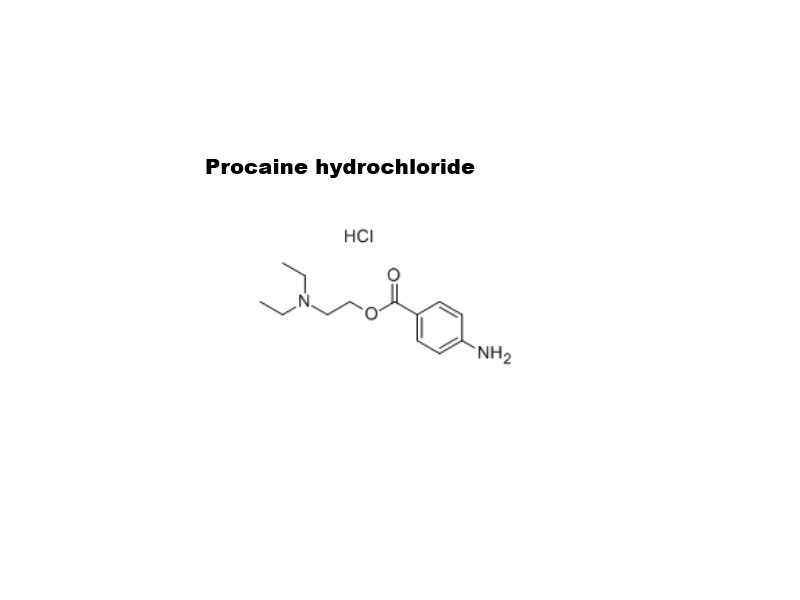
Cloridrato de Procaína CAS 51-05-8 é o sal cloridrato de procaína solúvel em água. É a formulação específica usada na medicina clínica, comercializada sob a famosa marca Procaína.NovocaínaEmbora seu uso na prática clínica tenha diminuído, continua sendo um medicamento historicamente fundamental e ainda é empregado em contextos médicos e terapêuticos específicos.
Detalhes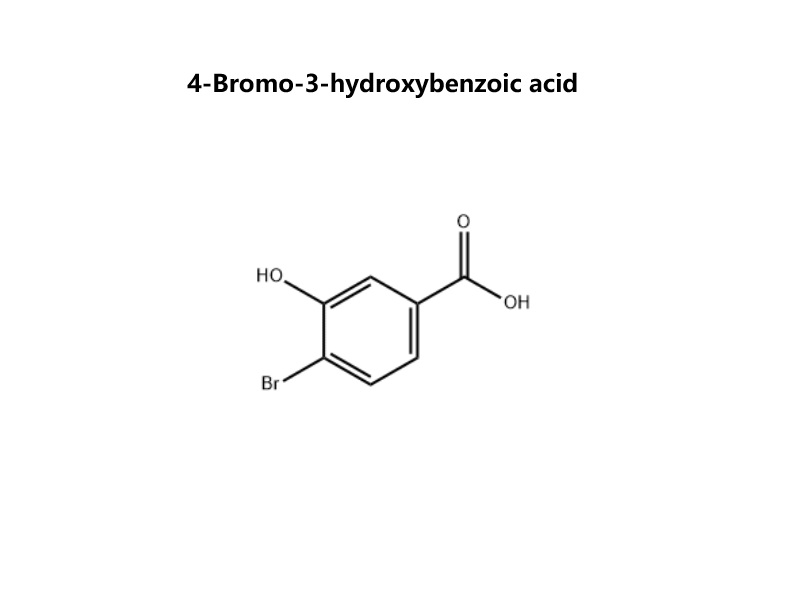
Ácido 4-bromo-3-hidroxibenzoico CAS 14348-38-0 é um Bloco de construção aromático multifuncional premium Projetada para síntese orientada à complexidade. Seu principal valor reside no posicionamento estratégico de três grupos funcionais distintos e ortogonalmente reativos em um anel benzênico, tornando-a uma ferramenta indispensável para a construção molecular convergente em pesquisa e desenvolvimento avançados.
Detalhes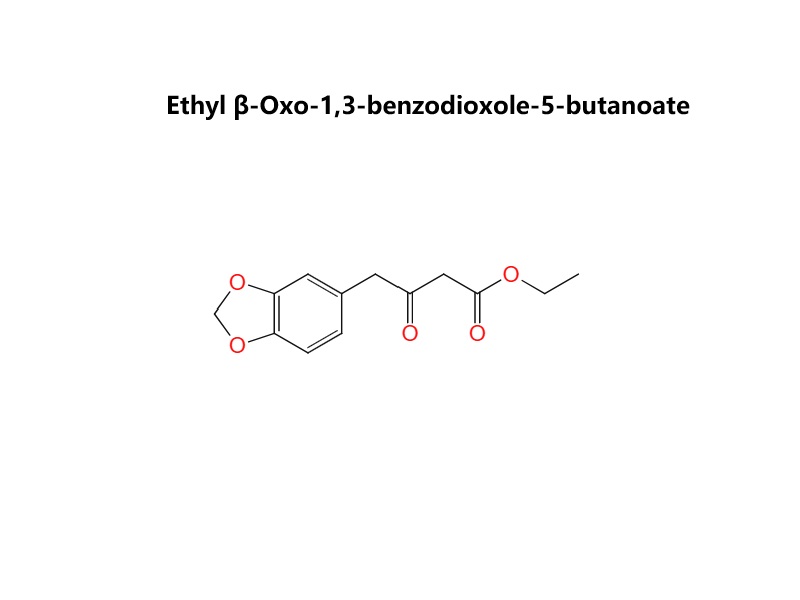
β-Oxo-1,3-benzodioxol-5-butanoato de etila CAS 31127-23-8 é um Derivado β-cetoéster apresentando um Sistema aromático 1,3-benzodioxol (metilenodioxifenil)Estruturalmente, consiste em um anel benzodioxol ligado por uma cadeia de três carbonos a um grupo funcional etil β-cetoéster (-CO-CH₂-COOEt). Isso o torna um bloco de construção bifuncional versátil Para síntese orgânica, combinando as propriedades eletrônicas do grupo benzodioxol com a alta reatividade de um β-cetoéster.
Detalhes![4-Nitrophenyl 3-(Benzo[d][1,3]dioxol-5-yl)-2-methylpropanoate](https://pt.qixiolivetol.com/storage/uploads/images/202604/17/1776427287_qZy87IjHSQ.jpg)
4-Nitrofenil 3-(Benzo[d][1,3]dioxol-5-il)-2-metilpropanoato é um agente acilante pré-ativado e quiralmente definido que combina um farmacóforo benzo[1,3]dioxol (piperonil) metabolicamente estável com a reatividade excepcional de um éster 4-nitrofenil. Permite a introdução eficiente e sem racemização de uma porção ácida quiral complexa em condições brandas, tornando-se indispensável para síntese química avançada e bioconjugação.4-Nitrofenil 3-(Benzo[d][1,3]dioxol-5-il)-2-metilpropanoato É um éster especial projetado como um intermediário bioquímico ou sintético reativo. Sua estrutura combina estrategicamente três unidades principais:(1)A Ácido 3-(benzo[1,3]dioxol-5-il)-2-metilpropanoico fração (ácido quiral substituído por piperonila).(2)A 4-nitrofenil éster saindo do grupo.Esse design o torna um éster ativado, onde o 4-nitrofenol é um excelente grupo de saída, facilitando reações de transferência de acila eficientes em condições brandas.
Detalhes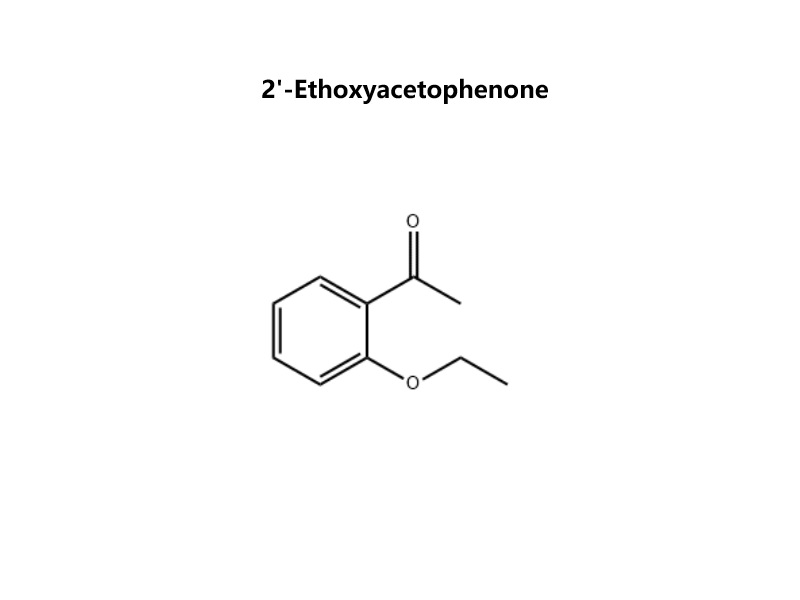
2'-Etoxiacetofenona CAS 2142-67-8 É uma cetona aromática especializada, caracterizada por um substituinte etóxi na posição orto em relação ao grupo acetil. Essa característica estrutural confere propriedades químicas e físicas distintas, tornando-a um bloco de construção privilegiado para a síntese de moléculas complexas, particularmente nos setores de aromas/fragrâncias e farmacêutico.
Detalhes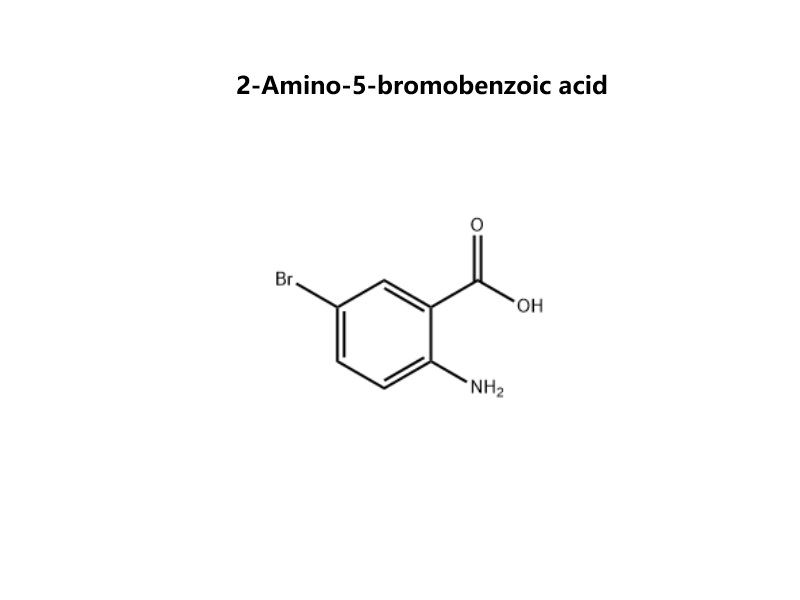
Ácido 2-amino-5-bromobenzoico CAS 5794-88-7 É um bloco de construção aromático altamente versátil que integra três grupos funcionais distintos — uma amina, um ácido carboxílico e um brometo de arila — em uma única estrutura sinteticamente valiosa. Essa multifuncionalidade o torna um intermediário crucial na química farmacêutica e de materiais avançados.
Detalhes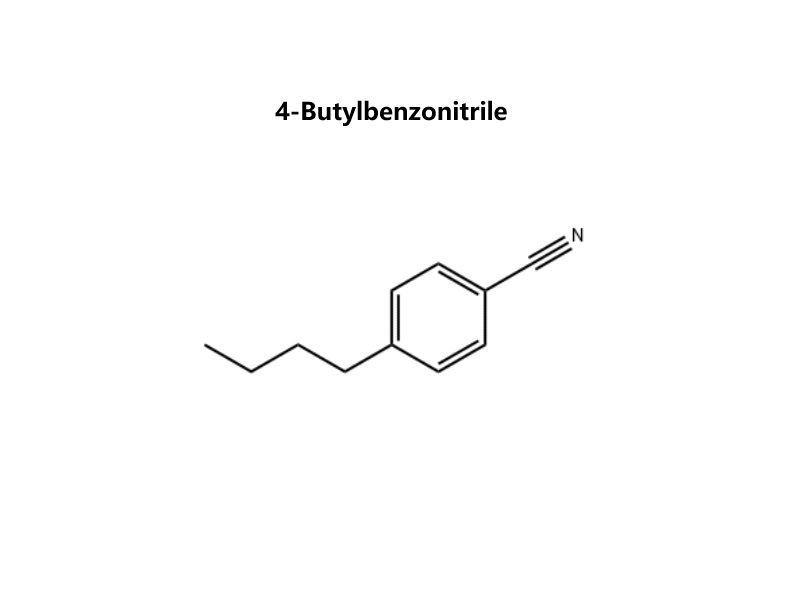
4-Butilbenzonitrila CAS 20651-73-4É um bloco de construção hidrofóbico estrategicamente projetado que combina um núcleo aromático rígido com uma cadeia alquílica linear flexível e um grupo funcional nitrila altamente versátil. Essa tríade de características o torna um intermediário excepcionalmente valioso para modular propriedades físico-químicas e viabilizar diversas vias sintéticas em pesquisas avançadas de materiais, produtos farmacêuticos e agroquímicos.
Detalhes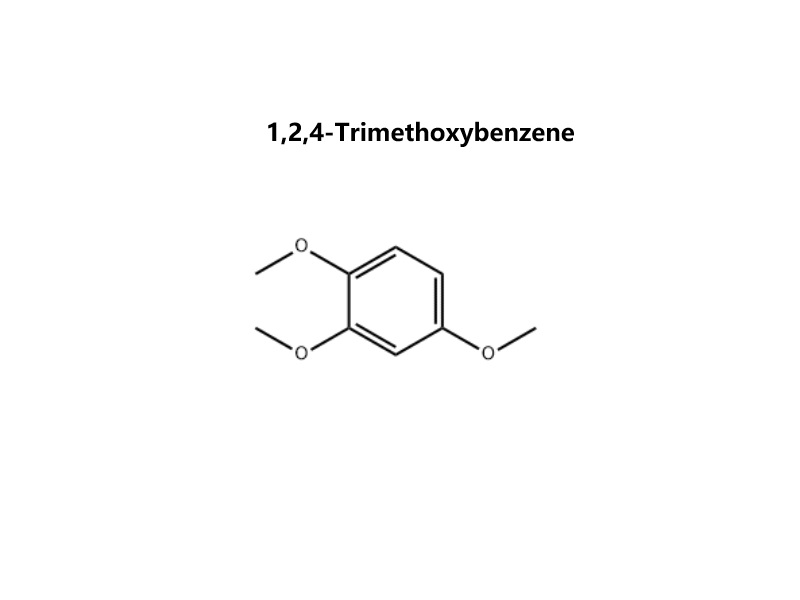
1,2,4-Trimetoxibenzeno CAS 135-77-3 É um bloco de construção aromático singularmente versátil e rico em elétrons. Seu principal valor reside em seu padrão de substituição assimétrico, porém altamente previsível, que proporciona um controle regioseletivo excepcional em síntese orgânica. Isso o torna uma estrutura privilegiada para a construção de moléculas complexas nas áreas farmacêutica, agroquímica e de materiais avançados.
Detalhes
 CONTATE-NOS
 1st Floor, No. 477, Huancheng West Road, Nanqiao Town, Fengxian District, Shanghai,China
 sales@qxscientific.com
 +86 -13701740203


 IPv6 SUPORTADO POR REDE
|
Mapa do site
|
XML |
Blogue |
política de Privacidade
IPv6 SUPORTADO POR REDE
|
Mapa do site
|
XML |
Blogue |
política de Privacidade
Deixe um recado
Scan to Wechat/Whatsapp :



 Português
 English
 Español
 Português