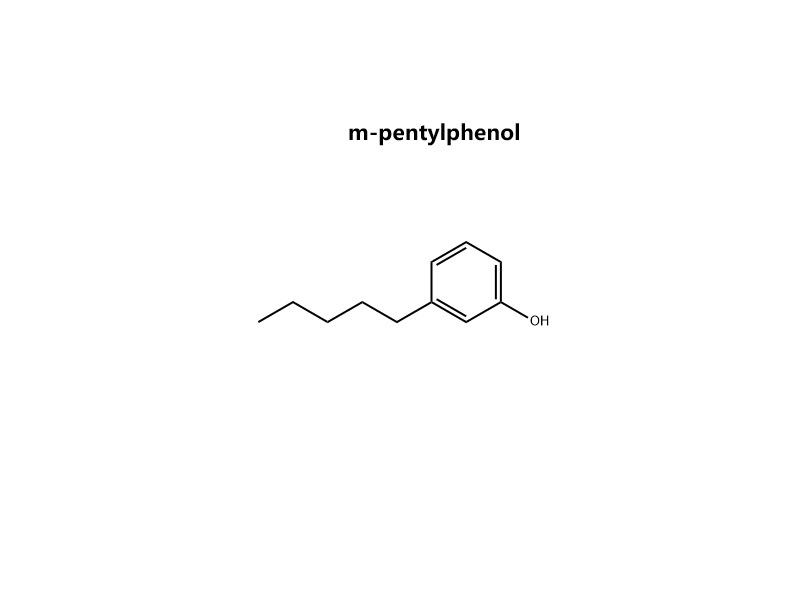
m-Pentilfenol CAS 20056-66-0 (também conhecido como 3-pentilfenol ou 3-amilfenol) é um composto orgânico pertencente à classe dos alquilfenóisSua estrutura molecular consiste em um anel fenólico (um anel benzênico com um grupo hidroxila [-OH]) substituído por uma cadeia pentil linear (-C₅H₁₁) na extremidade. metaposição (número de carbono 3).m-Pentilfenol é um sintão alquilfenol meta-específicoque proporciona uma combinação única de reatividade fenólica e uma cadeia alquílica C5 linear em uma configuração estérica e eletronicamente distinta. Isso a torna um bloco de construção superior para aplicações onde a arquitetura molecular específica determina o desempenho.
Nome :
m-PentylphenolNº CAS. :
20056-66-0MF :
C₁₁H₁₆OMW :
164.24Pureza :
99%Aparência :
Typically a colorless to pale yellow liquid or low-melting solid.Condição de armazenamento :
Store in a cool, well-ventilated placePropriedades Químicas
Fórmula química:C₁₁H₁₆O
Peso molecular: 164,24 g/mol
Estrutura: HO–C₆H₄–(C₅H₁₁) onde o grupo pentil está ligado ao 3º carbono do anel fenólico.
Aparência: Geralmente é um líquido incolor a amarelo pálido ou um sólido de baixo ponto de fusão com um odor fenólico característico.
É um isômero de outros pentilfenóis (como o-pentilfenol e p-pentilfenol), sendo que a posição da cadeia alquílica influencia significativamente suas propriedades físicas e reatividade química.
Ponto de fusão: ~ 20-24 °C (pode apresentar-se como um sólido de baixo ponto de fusão ou um líquido viscoso à temperatura ambiente).
Ponto de ebulição: ~ 260-265 °C à pressão atmosférica.
Densidade:Aproximadamente 0,96 g/cm³.
Solubilidade: Solúvel em solventes orgânicos comuns (ex.: etanol, éter, acetona, benzeno). Muito pouco solúvel em água devido à cadeia pentil hidrofóbica.
Acidez: Fracamente ácido (pKa ~10-11, semelhante ao fenol). O grupo pentil tem um efeito pequeno, ligeiramente doador de elétrons, tornando-o um ácido ligeiramente mais fraco que o próprio fenol.
Reatividade: Apresenta reações fenólicas típicas:
Substituição eletrofílica aromática: O grupo hidroxila ativa o anel, favorecendo substituições nas posições orto e para.
Formação de Éter/Éster: O grupo hidroxila pode ser alquilado ou acilado.
Complexação: Pode atuar como ligante para certos íons metálicos.
Oxidação: Suscetível à oxidação, especialmente em condições adversas.
Atividades Biológicas
O perfil biológico do m-pentilfenol é menos documentado do que o de seu isômero mais comum, o p-pentilfenol.
Atividade antimicrobiana: Os alquilfenóis geralmente exibem algum grau de atividade bactericida e fungicida, que tende a aumentar com o comprimento da cadeia alquílica até um certo ponto (C5-C8 geralmente é o ideal). O m-pentilfenol provavelmente possui propriedades antimicrobianas moderadas.
Potencial de Disrupção Endócrina: Como um alquilfenol, sua estrutura é analisada quanto à potencial atividade estrogênica fraca (capacidade de mimetizar o estrogênio ligando-se a receptores de estrogênio), embora sua potência seja significativamente menor do que a de desreguladores endócrinos já estabelecidos, como o nonilfenol. A meta-substituição pode reduzir essa atividade em comparação com o paraisômero.
Ecotoxicidade: Prevê-se que seja tóxico para a vida aquática, com efeitos duradouros, uma característica comum dos compostos fenólicos com cadeias alquílicas hidrofóbicas. Pode bioacumular-se.
Metabolismo: Em sistemas biológicos, provavelmente sofreria vias de desintoxicação de Fase I (oxidação da cadeia alquílica ou do anel aromático) e de Fase II (conjugação via sulfatação ou glicuronidação do OH fenólico).
Biossíntese
Na natureza: Os alquilfenóis não são produtos naturais principais, mas podem ser encontrados como componentes minoritários ou produtos de degradação em algumas plantas, microrganismos e combustíveis fósseis. Não existe uma via biossintética principal bem caracterizada especificamente para o m-pentilfenol.
Síntese Industrial:É produzido sinteticamente por meio de diversos métodos:
1. Alquilação de Friedel-Crafts: O fenol é alquilado com cloreto de pentila (ou agente pentilante similar) na presença de um catalisador ácido de Lewis (por exemplo, AlCl₃). Essa reação normalmente produz uma mistura de isômeros orto, meta e para, que devem ser separados por destilação fracionada ou outras técnicas.
2. Outras rotas: Pode envolver reações de Grignard ou hidroalquilação de fenol com penteno.
Aplicações



Principais vantagens e benefícios
1. Padrão único de meta-substituição para síntese dirigida
Benefício: O grupo pentil na posição meta cria um sítio previsível e menos congestionado para substituição eletrofílica adicional(Ex.: sulfonação, halogenação, alquilação) principalmente nas posições orto e para em relação ao grupo OH.
Cenário de aplicação: No síntese personalizada de moléculas antioxidantes complexasIsso permite que os químicos liguem sequencialmente grupos funcionais específicos (como tioéteres ou cadeias de acrilato) à posição orto menos impedida, criando antioxidantes fenólicos impedidos personalizados com proteção estérica otimizada para polímeros como poliolefinas e lubrificantes.
2. Comprimento ideal da cadeia alquílica para equilíbrio de propriedades
Benefício: A cadeia pentil linear (C5) proporciona um equilíbrio ideal de hidrofobicidade e solubilidade—com comprimento suficiente para conferir solubilidade lipídica significativa e romper as membranas microbianas, mas curto o bastante para evitar viscosidade excessiva ou solubilidade em água muito baixa.
Cenário de aplicação:Como um Precursor de surfactantes especiais ou inibidores de corrosão, O comprimento dessa cadeia permite a integração eficaz em interfaces óleo-água ou superfícies metálicas, mantendo ao mesmo tempo a compatibilidade adequada em matrizes de formulação sem gelificação.
3. Desempenho como intermediário reativo especializado
Benefício: Serve como material de partida de alta pureza e estrutura definida para a síntese de produtos químicos de alto desempenho onde a consistência é fundamental.
Cenário de aplicação: Em pesquisa farmacêutica e agroquímicaÉ utilizado para construir estruturas moleculares onde a porção meta-alquilfenol é um farmacóforo central. Por exemplo, pode ser usado para sintetizar análogos para estudo. inibição enzimática ou ligação ao receptor onde a orientação espacial do grupo alquila é crucial.
4. Perfil Biológico e Químico Diferenciado
Benefício: Exibe um perfil toxicológico e de reatividade distintoEm comparação com seus isômeros orto e para, isso pode ser vantajoso tanto para o desempenho quanto para as estratégias regulatórias.
Cenário de aplicação: Em desenvolvimento novos conservantes ou agentes antimicrobianos Para fluidos industriais, o metaisômero pode oferecer um espectro de eficácia diferente ou menor toxicidade aquática, proporcionando uma alternativa para contornar as restrições regulatórias impostas a outros alquilfenóis.
m-Pentilfenol (CAS 20056-66-0) não é um produto químico básico, mas sim um intermediário estratégico de alto valorSua principal vantagem reside em sua geometria meta-substituída única, que fornece aos químicos sintéticos uma plataforma previsível e versátil para a construção de moléculas sofisticadas. Ela se destaca em aplicações que exigem síntese personalizada de antioxidantes, núcleos de surfactantes especializados e compostos bioativos sob medida., oferecendo uma clara distinção de desempenho em relação aos seus isômeros orto e para mais comuns. Para formuladores e pesquisadores, representa uma ferramenta para Inovando em nível molecular Para solucionar desafios específicos de desempenho em materiais avançados, produtos farmacêuticos e produtos químicos especiais.
Perguntas frequentes
Q1: Qual é a principal diferença entre o m-pentilfenol e o p-pentilfenol, que é mais comum?
A: A principal diferença é a posição da cadeia pentilno anel fenólico. Isso afeta as propriedades físicas (ponto de fusão/ebulição), a reatividade química (diferentes sítios disponíveis para substituição adicional) e a atividade biológica. O p-pentilfenol (isômero para linear) é frequentemente mais estudado e utilizado, enquanto o metaisômero é um produto especial com reatividade distinta.
Q2: É seguro manusear m-pentilfenol?
A: Não, requer manuseio cuidadoso. Isso é Nocivo se ingerido, em contato com a pele ou inalado.Provoca irritação cutânea e ocular grave. O uso de equipamento de proteção individual (EPI) adequado, incluindo luvas, óculos de proteção e ventilação, é obrigatório. A Ficha de Dados de Segurança (FDS) deve ser consultada antes do uso.
Q3: Como o m-pentilfenol deve ser armazenado?
A: Armazene em um lugar fresco e bem ventiladoArmazene em um recipiente hermeticamente fechado e resistente a produtos químicos. Mantenha longe do calor, faíscas e agentes oxidantes fortes (como peróxidos) devido à sua natureza combustível e potencial de oxidação. Armazene separadamente de bases e alimentos.
Q4: Quais são as principais preocupações ambientais?
A: É Prejudicial ao meio aquático.Não é facilmente biodegradável e pode ser tóxico para peixes, algas e outros organismos. Derramamentos devem ser contidos e deve-se evitar que entrem em ralos, esgotos ou cursos d'água. O descarte adequado de resíduos, de acordo com as normas locais, é crucial.
Q5: Onde posso comprar m-pentilfenol e qual é o seu grau de pureza típico?
A: Não é um item de estoque padrão em catálogos gerais de produtos químicos. Normalmente é fornecido por fabricantes de especialidades químicas e produtos químicos finosou empresas de síntese personalizada. A pureza comercial típica varia de 95% a 98%, sendo as principais impurezas outros isômeros de pentilfenol e materiais de partida não reagidos. A compra geralmente requer consulta direta.
Q6: Pode ser usado como substituto direto do fenol ou de outros alquilfenóis em uma formulação?
A: Não diretamente. Devido às suas diferentes propriedades estéricas e eletrônicas (meta-substituição), apresentará diferentes taxas de reatividade, perfis de solubilidade e características de desempenho. Qualquer substituição requer reformulação e testes cuidadososPara garantir o resultado desejado.
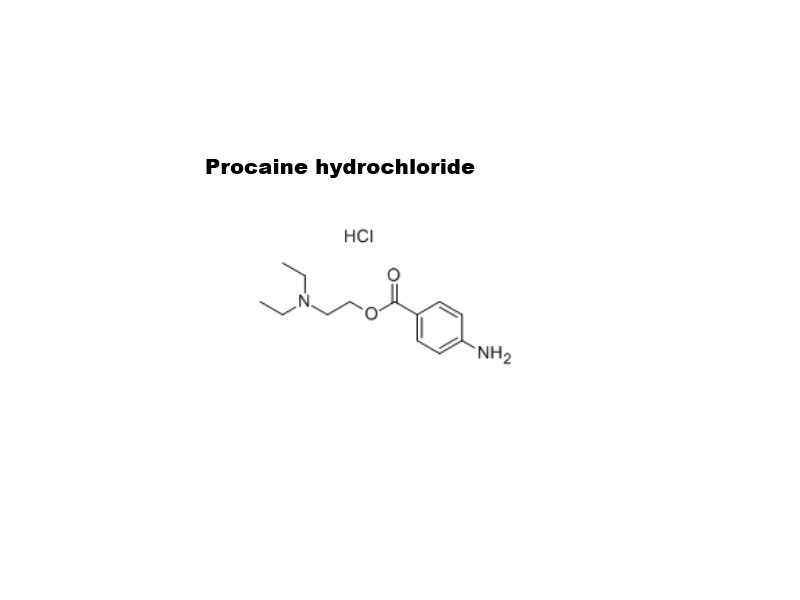
Cloridrato de Procaína CAS 51-05-8 é o sal cloridrato de procaína solúvel em água. É a formulação específica usada na medicina clínica, comercializada sob a famosa marca Procaína.NovocaínaEmbora seu uso na prática clínica tenha diminuído, continua sendo um medicamento historicamente fundamental e ainda é empregado em contextos médicos e terapêuticos específicos.
Detalhes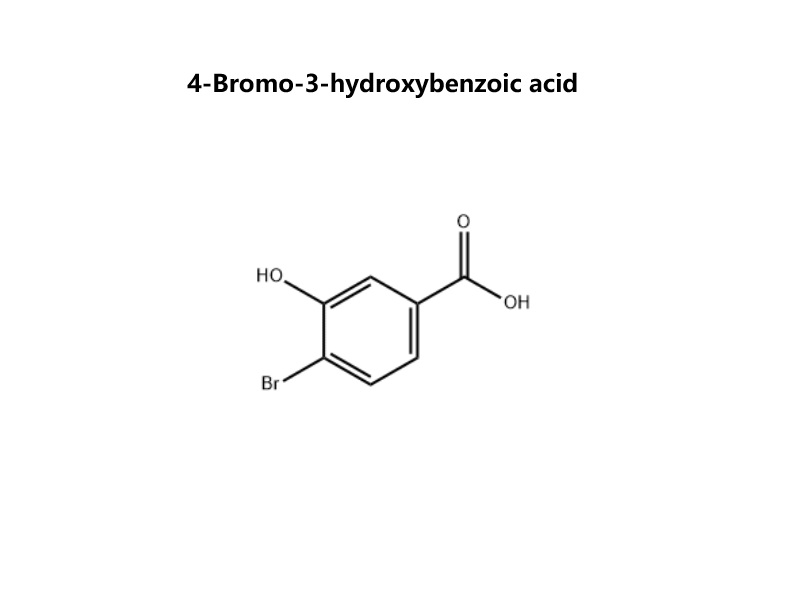
Ácido 4-bromo-3-hidroxibenzoico CAS 14348-38-0 é um Bloco de construção aromático multifuncional premium Projetada para síntese orientada à complexidade. Seu principal valor reside no posicionamento estratégico de três grupos funcionais distintos e ortogonalmente reativos em um anel benzênico, tornando-a uma ferramenta indispensável para a construção molecular convergente em pesquisa e desenvolvimento avançados.
Detalhes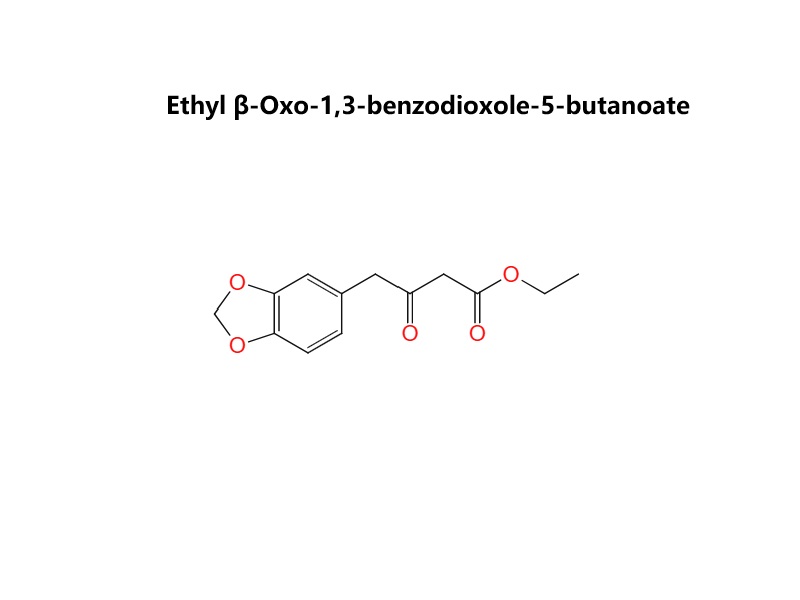
β-Oxo-1,3-benzodioxol-5-butanoato de etila CAS 31127-23-8 é um Derivado β-cetoéster apresentando um Sistema aromático 1,3-benzodioxol (metilenodioxifenil)Estruturalmente, consiste em um anel benzodioxol ligado por uma cadeia de três carbonos a um grupo funcional etil β-cetoéster (-CO-CH₂-COOEt). Isso o torna um bloco de construção bifuncional versátil Para síntese orgânica, combinando as propriedades eletrônicas do grupo benzodioxol com a alta reatividade de um β-cetoéster.
Detalhes![4-Nitrophenyl 3-(Benzo[d][1,3]dioxol-5-yl)-2-methylpropanoate](https://pt.qixiolivetol.com/storage/uploads/images/202604/17/1776427287_qZy87IjHSQ.jpg)
4-Nitrofenil 3-(Benzo[d][1,3]dioxol-5-il)-2-metilpropanoato é um agente acilante pré-ativado e quiralmente definido que combina um farmacóforo benzo[1,3]dioxol (piperonil) metabolicamente estável com a reatividade excepcional de um éster 4-nitrofenil. Permite a introdução eficiente e sem racemização de uma porção ácida quiral complexa em condições brandas, tornando-se indispensável para síntese química avançada e bioconjugação.4-Nitrofenil 3-(Benzo[d][1,3]dioxol-5-il)-2-metilpropanoato É um éster especial projetado como um intermediário bioquímico ou sintético reativo. Sua estrutura combina estrategicamente três unidades principais:(1)A Ácido 3-(benzo[1,3]dioxol-5-il)-2-metilpropanoico fração (ácido quiral substituído por piperonila).(2)A 4-nitrofenil éster saindo do grupo.Esse design o torna um éster ativado, onde o 4-nitrofenol é um excelente grupo de saída, facilitando reações de transferência de acila eficientes em condições brandas.
Detalhes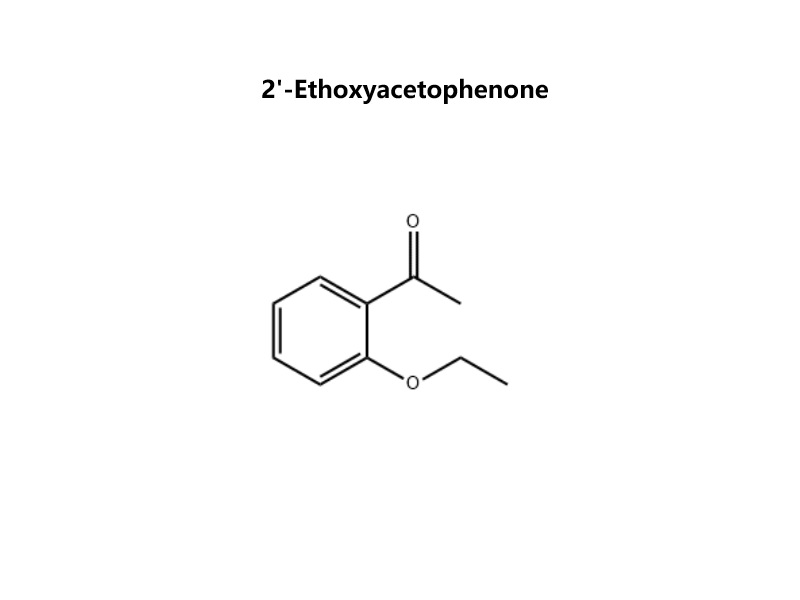
2'-Etoxiacetofenona CAS 2142-67-8 É uma cetona aromática especializada, caracterizada por um substituinte etóxi na posição orto em relação ao grupo acetil. Essa característica estrutural confere propriedades químicas e físicas distintas, tornando-a um bloco de construção privilegiado para a síntese de moléculas complexas, particularmente nos setores de aromas/fragrâncias e farmacêutico.
Detalhes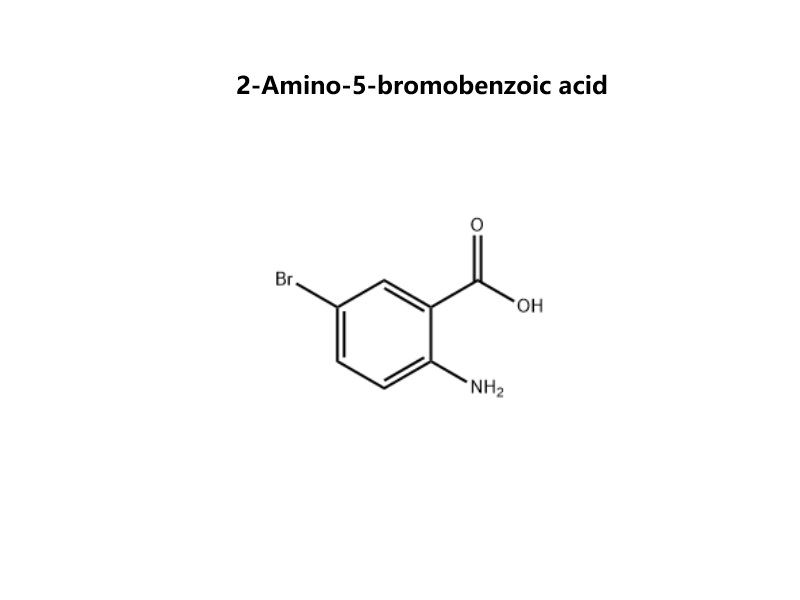
Ácido 2-amino-5-bromobenzoico CAS 5794-88-7 É um bloco de construção aromático altamente versátil que integra três grupos funcionais distintos — uma amina, um ácido carboxílico e um brometo de arila — em uma única estrutura sinteticamente valiosa. Essa multifuncionalidade o torna um intermediário crucial na química farmacêutica e de materiais avançados.
Detalhes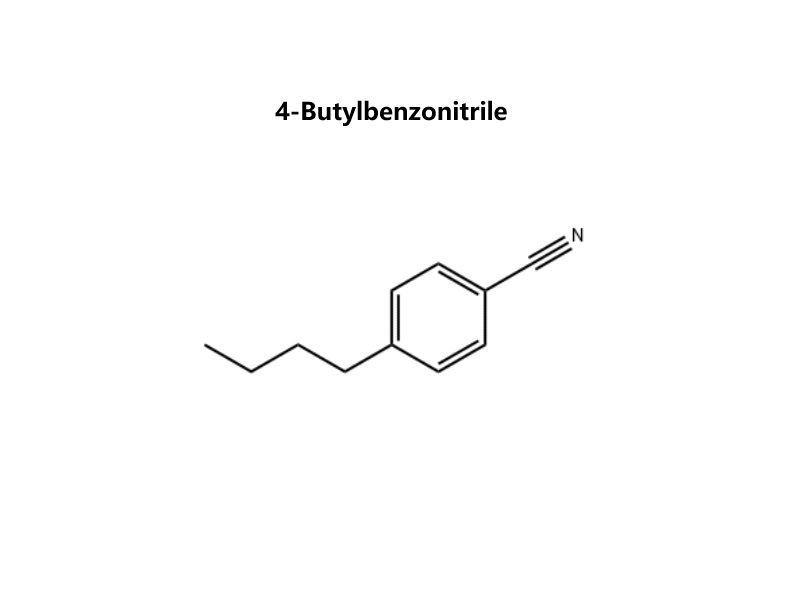
4-Butilbenzonitrila CAS 20651-73-4É um bloco de construção hidrofóbico estrategicamente projetado que combina um núcleo aromático rígido com uma cadeia alquílica linear flexível e um grupo funcional nitrila altamente versátil. Essa tríade de características o torna um intermediário excepcionalmente valioso para modular propriedades físico-químicas e viabilizar diversas vias sintéticas em pesquisas avançadas de materiais, produtos farmacêuticos e agroquímicos.
Detalhes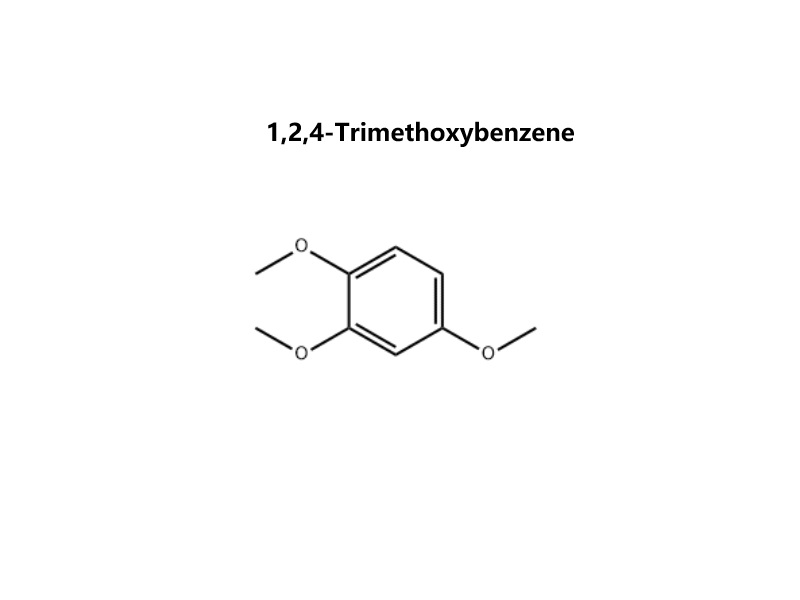
1,2,4-Trimetoxibenzeno CAS 135-77-3 É um bloco de construção aromático singularmente versátil e rico em elétrons. Seu principal valor reside em seu padrão de substituição assimétrico, porém altamente previsível, que proporciona um controle regioseletivo excepcional em síntese orgânica. Isso o torna uma estrutura privilegiada para a construção de moléculas complexas nas áreas farmacêutica, agroquímica e de materiais avançados.
Detalhes
 CONTATE-NOS
 1st Floor, No. 477, Huancheng West Road, Nanqiao Town, Fengxian District, Shanghai,China
 sales@qxscientific.com
 +86 -13701740203


 IPv6 SUPORTADO POR REDE
|
Mapa do site
|
XML |
Blogue |
política de Privacidade
IPv6 SUPORTADO POR REDE
|
Mapa do site
|
XML |
Blogue |
política de Privacidade
Deixe um recado
Scan to Wechat/Whatsapp :



 Português
 English
 Español
 Português