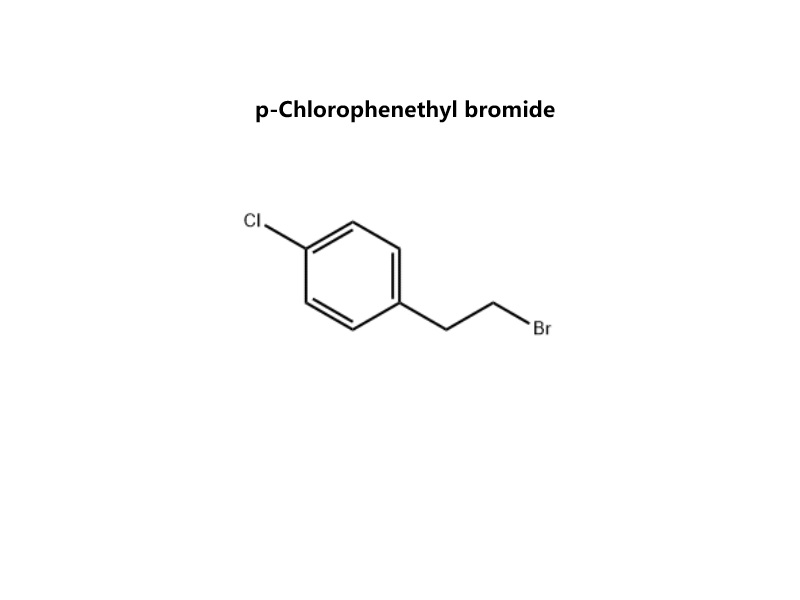
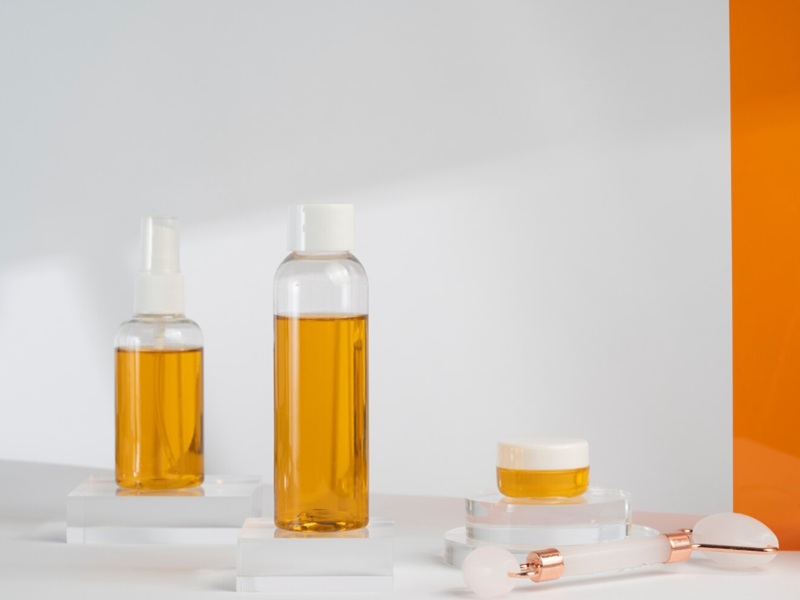
Brometo de p-clorofeniletila CAS 6529-53-9 é um composto orgânico halogenado pertencente à classe de brometos de arilalquila. Consiste em um grupo fenetil (um anel benzênico com um espaçador de etileno de dois carbonos) substituído por um átomo de cloro na posição para e um átomo de bromo no carbono terminal da cadeia de etileno. Essa estrutura o torna um composto valioso. agente alquilante eletrofílico e um versátil bloco de construção bifuncional em química orgânica sintética.
Nome :
p-Chlorophenethyl BromideNº CAS. :
6529-53-9MF :
C₈H₈BrClMW :
219.51Pureza :
98%Aparência :
Typically a clear, colorless to pale yellow liquid.Condição de armazenamento :
Store under an inert atmosphere (N₂ or Argon) in a tightly sealed, dark container in a freezer (e.g., 2-8°C or below 0°C for long-term storage). Regularly check container integrity.Propriedades Químicas
Nome IUPAC: 1-(4-Clorofenil)-2-bromoetano
Outros nomes comuns: Brometo de 2-(4-clorofenil)etila; brometo de 4-clorofeniletila
Fórmula química: C₈H₈BrCl
Peso molecular: 219,51 g/mol
Estrutura: 4-Cl-C₆H₄-CH₂-CH₂-Br
Aparência: Geralmente é um líquido transparente, incolor a amarelo pálido. Pode escurecer durante o armazenamento devido à exposição à luz e à possível decomposição.
Ponto de ebulição: ~ 125-130 °C a 10 mmHg (decompõe-se à pressão atmosférica)
Densidade: ~1,52 g/cm³ a 25°C
Índice de refração: ~1,563 - 1,565 (n²⁰/D)
Solubilidade: Solúvel na maioria dos solventes orgânicos comuns (éter, acetona, clorofórmio, DMF, THF). Insolúvel em água.
Estabilidade: Sensível à umidade e à luz.Pode se decompor após exposição prolongada ao ar/luz, liberando HBr. O brometo é um bom grupo de saída, tornando o composto altamente reativo como eletrófilo. Incompatível com bases fortes, agentes oxidantes fortes e nucleófilos fortes.
Reatividade chave: Passa principalmente por Reações de substituição nucleofílica Sɴ2 onde o bromo é deslocado por um nucleófilo (por exemplo, aminas, alcóxidos, tióis, cianeto, carbanions estabilizados) para formar novas ligações CN, CO, CS, CC, etc. O cloro aromático é relativamente inerte nessas condições, mas pode ser posteriormente funcionalizado por meio de acoplamento cruzado catalisado por metal (por exemplo, reações de Suzuki, Buchwald-Hartwig).
Atividades Biológicas
Toxicidade: Espera-se que seja tóxico e corrosivoÉ um potente agente alquilante e podem alquilar macromoléculas biológicas como DNA e proteínas, causando danos celulares. Os detalhes sobre a toxicidade crônica são limitados.
Irritação: Extremamente irritante. aos olhos, pele e membranas mucosas. É um lacrimatório (Causa laceração).
Sem atividade terapêutica conhecida:Seu valor reside puramente em sua função como intermediário sintético. Qualquer atividade biológica observada em ensaios provavelmente seria inespecífica e relacionada às suas propriedades alquilantes.
Biossíntese
Ocorrência natural: Não se sabe que esse composto ocorra naturalmente.
Síntese Industrial:É produzido sinteticamente por meio de diversas vias:
1. Bromação por radicais livres: O método mais comum envolve a bromação de álcool 4-clorofenil utilizando tribrometo de fósforo (PBr₃) ou ácido bromídrico (HBr) em condições controladas.
2. A partir do 4-cloroestireno: Via hidrobromação anti-Markovnikov (adição radical de HBr) à ligação dupla.
3. A partir do ácido 4-clorofenilacético: Por meio de uma reação de Hell-Volhard-Zelinsky seguida de descarboxilação, ou por meio de redução ao álcool e subsequente bromação.
Aplicações



Principais vantagens e benefícios
1. Dupla Funcionalidade para Síntese Modular Sequencial
Benefício: Permite um estratégia de "síntese divergente"onde uma matéria-prima de baixo custo pode ser rapidamente transformada em uma biblioteca de moléculas complexas por meio de reações seletivas em cada local.
Cenário de aplicação: Em otimização de compostos líderes em química medicinalUm pesquisador pode primeiro realizar uma reação Sᴺ2 de alto rendimento do brometo com um esqueleto de piperazina para instalar uma cadeia lateral de amina básica e, em uma etapa subsequente, usar o acoplamento de Suzuki catalisado por paládio no cloreto de arila para introduzir uma gama diversificada de ácidos borônicos, gerando rapidamente dezenas de análogos para testes de relação estrutura-atividade (SAR).
2. Reatividade superior do brometo para alquilação eficiente
Benefício: O O brometo primário do tipo benzílico é um excelente eletrófilo., facilitando reações de alquilação rápidas e de alto rendimento em condições mais brandas em comparação com cloretos ou mesilatos.
Cenário de aplicação: Na síntese em escala ampliada de um intermediário agroquímicoA reação do brometo de p-clorofeniletila com um tiolato de sódio em acetona ocorre de forma limpa e rápida a 0-25°C para formar a ligação tioéter, minimizando a formação de subprodutos e reduzindo o tempo de processo em comparação com o uso do análogo de cloreto menos reativo.
3. Controle quimiosseletivo para flexibilidade sintética incomparável
Benefício: A significativa diferença de reatividade entre a ligação alifática C-Br e a ligação aromática C-Cl permite que modificação perfeitamente seletiva de um sítio na presença do outro, uma característica fundamental para a síntese complexa.
Cenário de aplicação: Ao sintetizar um material de cristal líquido funcionalizadoUm químico pode primeiro usar o brometo para ligar uma cadeia alquílica flexível por meio de um nucleófilo e, em seguida, empregar uma aminação de Buchwald-Hartwig no cloreto de arila preservado para instalar um grupo amina aromática específico, tudo isso sem o uso de grupos protetores.
4. Introdução de Farmacóforos Chave com Custo-Benefício
Beneficiar:Oferece uma forma econômica de incorporar o fração 4-clorofeniletil, um grupo aromático lipofílico comum encontrado em numerosas moléculas bioativas, que aumenta a afinidade de ligação e a estabilidade metabólica.
Cenário de aplicação: Como matéria-prima essencial na síntese de um(a)medicamento antidepressivo genéricoIsso permite a produção eficiente e em larga escala da estrutura central da fenetilamina, mantendo baixos custos de produção e garantindo pureza e rendimento consistentes.
Brometo de p-clorofeniletila (CAS 6529-53-9) é um intermediário sintético estrategicamente superiorvalorizado por sua Reatividade dupla perfeitamente ajustadaEle resolve um desafio fundamental na síntese orgânica, fornecendo um sítio de "primeiro clique" altamente reativo (o brometo) e um sítio de "segundo clique" estável, porém versátil (o cloreto de arila). Isso o torna uma ferramenta indispensável para Síntese eficiente de bibliotecas paralelas em P&D farmacêuticae para o Produção simplificada e economicamente viável de ingredientes ativos complexos.Para os químicos, representa um componente fundamental, confiável e flexível, que acelera a inovação e simplifica o planejamento de rotas sintéticas em comparação com análogos menos diferenciados.
Perguntas frequentes
Q1: Qual é a principal utilidade do brometo de p-clorofeniletila para um químico sintético?
A: Seu principal valor reside em sua dupla funcionalidade e perfil de reatividade. O brometo primário é um grupo altamente reativo para alquilação Sɴ2, permitindo a introdução do grupo 2-ariletil em um nucleófilo. O cloro na posição para é um sítio reativo ortogonal para reações subsequentes de acoplamento cruzado catalisadas por paládio (por exemplo, Suzuki, aminação). Isso possibilita uma diversificação sequencial eficiente para a construção de moléculas complexas a partir de um único ponto de partida facilmente disponível.
Q2: Qual a importância crítica do manuseio e armazenamento? Quais são os riscos específicos?
A: Extremamente crítico. Este composto é sensível à umidade, à luz e corrosivo. Ele pode se decompor, liberando gás brometo de hidrogênio (HBr), que é tóxico e corrosivo. Também é um potente lacrimogêneo e irritante para a pele.
Manuseio: Deve ser manuseado em uma capela de exaustão com EPI apropriado: luvas de nitrilo ou neoprene, óculos de proteção contra respingos químicos e jaleco. Evite inalação e contato.
Armazenamento: Armazene sob atmosfera inerte (N₂ ou Argônio) em um recipiente escuro e hermeticamente fechado, em um congelador (por exemplo, entre 2 e 8 °C ou abaixo de 0 °C para armazenamento a longo prazo). Verifique regularmente a integridade do recipiente.
Q3: Qual o grau de pureza que devo solicitar para minha aplicação e como a estabilidade é garantida?
A: Para aplicações sintéticas, pureza ≥97% (por GC ou HPLC) é padrão. Para etapas críticas (por exemplo, etapa final do IFA), pureza ≥99% pode ser necessária.
Estabilidade: Fornecedores confiáveis enviam o composto sob gás inerte, em frascos ou ampolas âmbar e com gelo seco. Ao receber, transfira-o imediatamente para um ambiente de armazenamento adequado. Não é recomendado o uso de sequestrantes de ácido, como peneiras moleculares, no recipiente primário, pois podem causar reações localizadas.
Q4: Quais são os perfis de impurezas comuns e como eles afetam as reações?
A: As impurezas comuns incluem:
Álcool 4-clorofeniletílico (proveniente de bromação incompleta ou hidrólise).
1,2-Bis(4-clorofenil)etano (a partir de reações laterais de acoplamento do tipo Wurtz).
Produtos de descoloração (provenientes da decomposição).
Impurezas podem atuar como inibidores, venenos para catalisadores (especialmente em reações de acoplamento cruzado) ou levar a baixos rendimentos e purificações difíceis. Sempre avalie a pureza por RMN ou CG antes das etapas críticas.
Q5: O bromo pode ser deslocado seletivamente na presença do cloro?
A: Sim, absolutamente. Esta é uma vantagem fundamental. O brometo de alquila primário (ativação do tipo benzílico/alílico) é muito mais reativo em condições Sɴ2 (nucleófilos fracos) do que o cloreto de arila. O cloreto de arila requer catálise por metal de transição (Pd, Ni, Cu) ou condições muito drásticas para o deslocamento, permitindo excelente quimiosseletividade na funcionalização sequencial.
Q6: É regulamentado pelas leis de substâncias controladas ou de precursores?
A: Geralmente, não consta na lista de substâncias controladas ou precursores de medicamentos. No entanto, é classificado como um produto químico perigoso (toxicidade aguda, corrosão da pele, danos oculares). Sempre verifique as regulamentações locais e do país de destino (por exemplo, REACH, TSCA) para obter informações específicas sobre a notificação ou restrições relacionadas ao seu transporte, uso e descarte.
Q7: Quais são seus principais concorrentes ou alternativas na área de síntese?
A: As alternativas dependem do objetivo.
Cloreto de p-clorofeniletila: Menos reativos e mais baratos, mas as reações são mais lentas e podem exigir catalisadores/agentes de transferência de fase.
p-Clorofeniletil Metanossulfonato (Mesilato) ou Tosilato: Reatividade semelhante, geralmente em sólidos cristalinos (mais fáceis de manusear), mas mais caros de produzir.
Brometo de p-clorobenzila: Mais reativo (benzílico em vez de alquil primário), mas produz um ligante diferente (espaçador de um carbono em vez de dois carbonos), o que altera significativamente a farmacologia e as propriedades da molécula final.
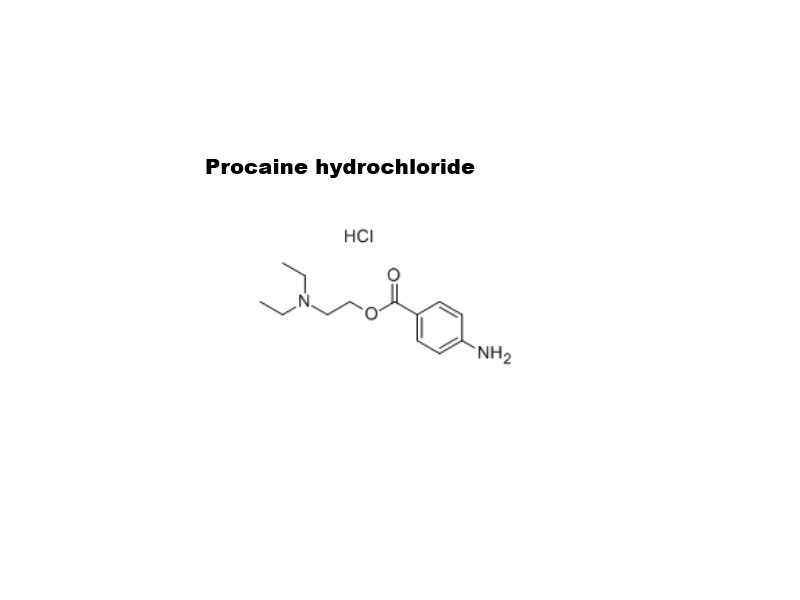
Cloridrato de Procaína CAS 51-05-8 é o sal cloridrato de procaína solúvel em água. É a formulação específica usada na medicina clínica, comercializada sob a famosa marca Procaína.NovocaínaEmbora seu uso na prática clínica tenha diminuído, continua sendo um medicamento historicamente fundamental e ainda é empregado em contextos médicos e terapêuticos específicos.
Detalhes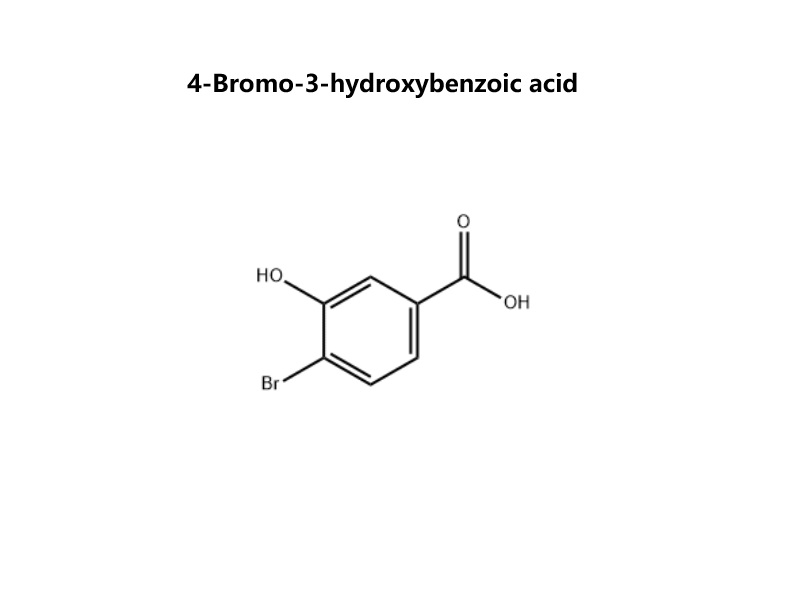
Ácido 4-bromo-3-hidroxibenzoico CAS 14348-38-0 é um Bloco de construção aromático multifuncional premium Projetada para síntese orientada à complexidade. Seu principal valor reside no posicionamento estratégico de três grupos funcionais distintos e ortogonalmente reativos em um anel benzênico, tornando-a uma ferramenta indispensável para a construção molecular convergente em pesquisa e desenvolvimento avançados.
Detalhes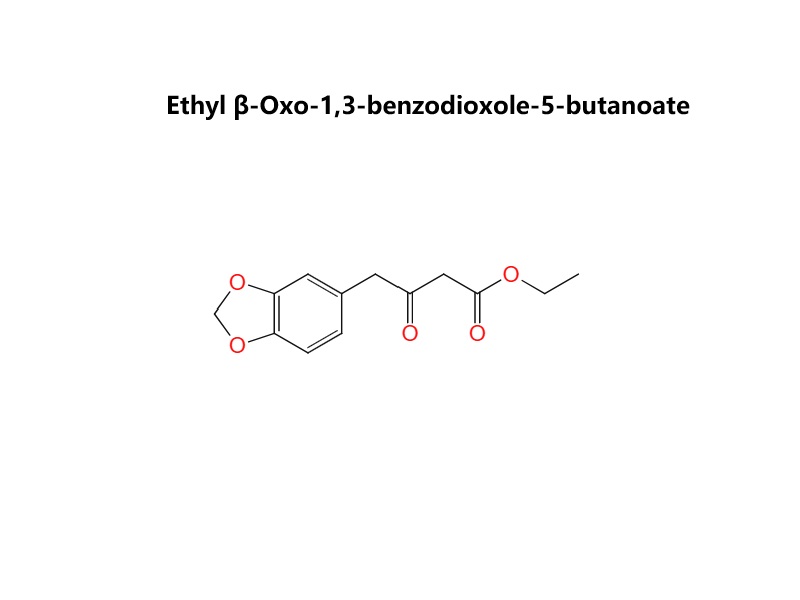
β-Oxo-1,3-benzodioxol-5-butanoato de etila CAS 31127-23-8 é um Derivado β-cetoéster apresentando um Sistema aromático 1,3-benzodioxol (metilenodioxifenil)Estruturalmente, consiste em um anel benzodioxol ligado por uma cadeia de três carbonos a um grupo funcional etil β-cetoéster (-CO-CH₂-COOEt). Isso o torna um bloco de construção bifuncional versátil Para síntese orgânica, combinando as propriedades eletrônicas do grupo benzodioxol com a alta reatividade de um β-cetoéster.
Detalhes![4-Nitrophenyl 3-(Benzo[d][1,3]dioxol-5-yl)-2-methylpropanoate](https://pt.qixiolivetol.com/storage/uploads/images/202604/17/1776427287_qZy87IjHSQ.jpg)
4-Nitrofenil 3-(Benzo[d][1,3]dioxol-5-il)-2-metilpropanoato é um agente acilante pré-ativado e quiralmente definido que combina um farmacóforo benzo[1,3]dioxol (piperonil) metabolicamente estável com a reatividade excepcional de um éster 4-nitrofenil. Permite a introdução eficiente e sem racemização de uma porção ácida quiral complexa em condições brandas, tornando-se indispensável para síntese química avançada e bioconjugação.4-Nitrofenil 3-(Benzo[d][1,3]dioxol-5-il)-2-metilpropanoato É um éster especial projetado como um intermediário bioquímico ou sintético reativo. Sua estrutura combina estrategicamente três unidades principais:(1)A Ácido 3-(benzo[1,3]dioxol-5-il)-2-metilpropanoico fração (ácido quiral substituído por piperonila).(2)A 4-nitrofenil éster saindo do grupo.Esse design o torna um éster ativado, onde o 4-nitrofenol é um excelente grupo de saída, facilitando reações de transferência de acila eficientes em condições brandas.
Detalhes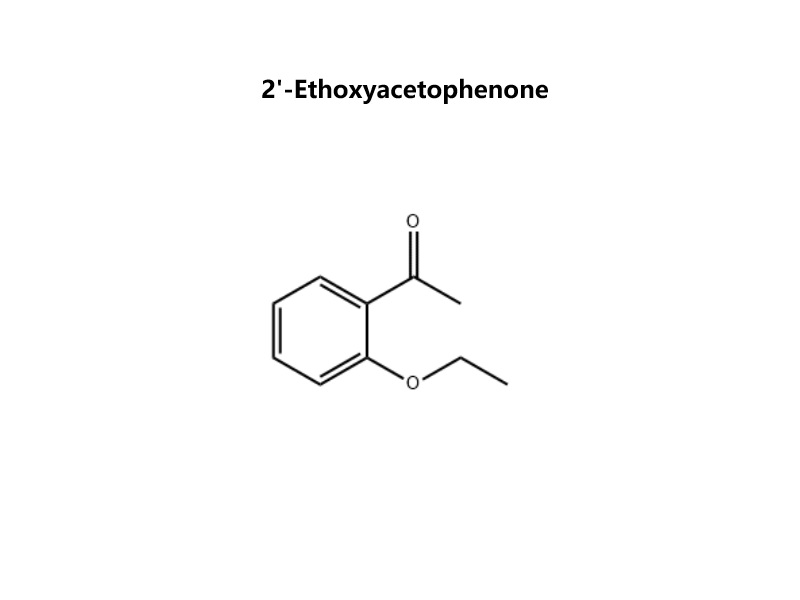
2'-Etoxiacetofenona CAS 2142-67-8 É uma cetona aromática especializada, caracterizada por um substituinte etóxi na posição orto em relação ao grupo acetil. Essa característica estrutural confere propriedades químicas e físicas distintas, tornando-a um bloco de construção privilegiado para a síntese de moléculas complexas, particularmente nos setores de aromas/fragrâncias e farmacêutico.
Detalhes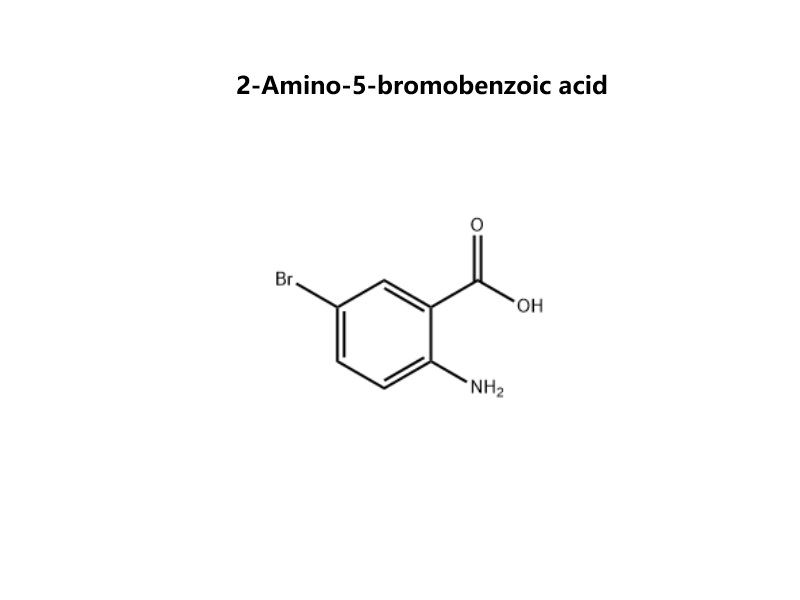
Ácido 2-amino-5-bromobenzoico CAS 5794-88-7 É um bloco de construção aromático altamente versátil que integra três grupos funcionais distintos — uma amina, um ácido carboxílico e um brometo de arila — em uma única estrutura sinteticamente valiosa. Essa multifuncionalidade o torna um intermediário crucial na química farmacêutica e de materiais avançados.
Detalhes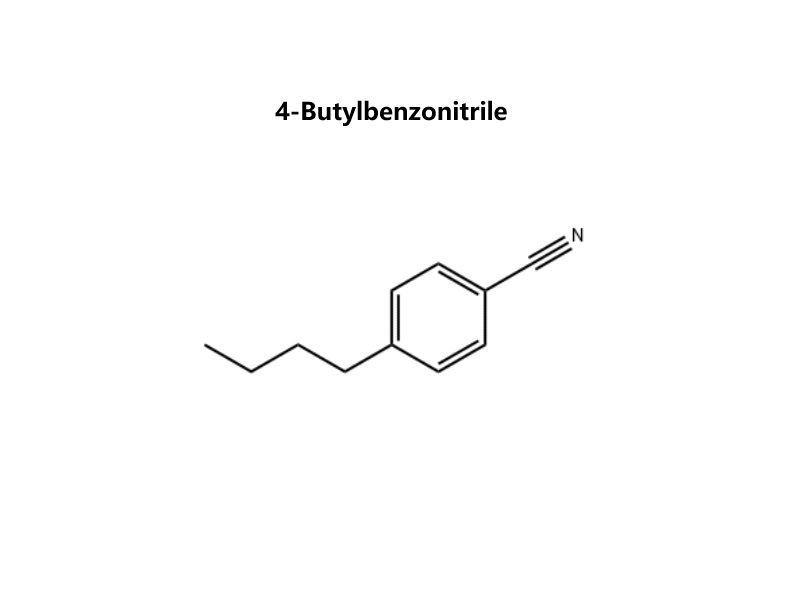
4-Butilbenzonitrila CAS 20651-73-4É um bloco de construção hidrofóbico estrategicamente projetado que combina um núcleo aromático rígido com uma cadeia alquílica linear flexível e um grupo funcional nitrila altamente versátil. Essa tríade de características o torna um intermediário excepcionalmente valioso para modular propriedades físico-químicas e viabilizar diversas vias sintéticas em pesquisas avançadas de materiais, produtos farmacêuticos e agroquímicos.
Detalhes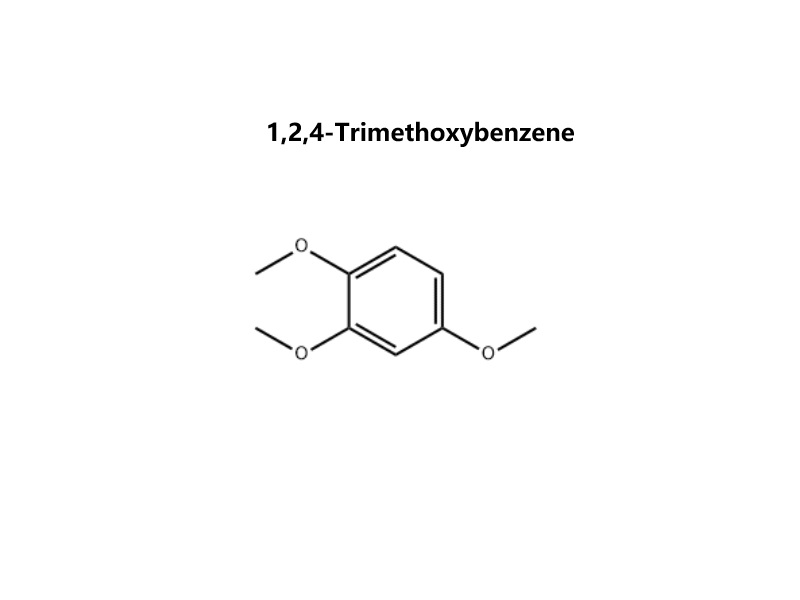
1,2,4-Trimetoxibenzeno CAS 135-77-3 É um bloco de construção aromático singularmente versátil e rico em elétrons. Seu principal valor reside em seu padrão de substituição assimétrico, porém altamente previsível, que proporciona um controle regioseletivo excepcional em síntese orgânica. Isso o torna uma estrutura privilegiada para a construção de moléculas complexas nas áreas farmacêutica, agroquímica e de materiais avançados.
Detalhes
 CONTATE-NOS
 1st Floor, No. 477, Huancheng West Road, Nanqiao Town, Fengxian District, Shanghai,China
 sales@qxscientific.com
 +86 -13701740203


 IPv6 SUPORTADO POR REDE
|
Mapa do site
|
XML |
Blogue |
política de Privacidade
IPv6 SUPORTADO POR REDE
|
Mapa do site
|
XML |
Blogue |
política de Privacidade
Deixe um recado
Scan to Wechat/Whatsapp :



 Português
 English
 Español
 Português