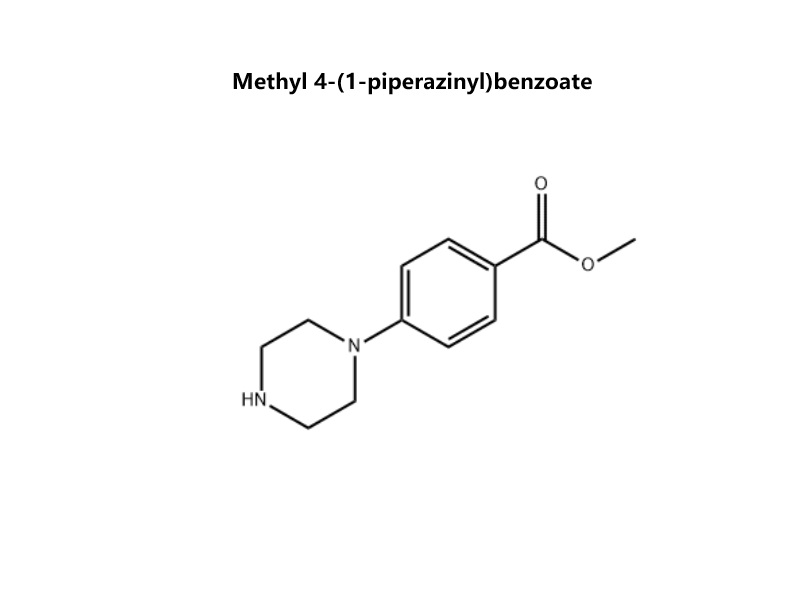

4-(1-piperazinil)benzoato de metila CAS 163210-97-7é um composto orgânico sintético pertencente à classe dos ésteres de benzoato contendo piperazinaÉ composto por um núcleo de éster benzoato (derivado de metil para-aminobenzoato) onde o grupo amino faz parte de um anel de piperazina. Essa estrutura o torna um farmacóforo versátile intermediário sintético chaveO 4-(1-piperazinil)benzoato de metila é um bloco de construção farmacêutico privilegiadoque combina um éster benzoato sinteticamente versátil com um anel de piperazina — um farmacóforo ubíquo em fármacos ativos no SNC. Sua principal vantagem reside em ser o intermediário definitivo e de alto valorna síntese de antipsicóticos de grande sucesso, servindo também como uma estrutura versátil para a descoberta de novos fármacos.
Nome :
Methyl 4-(1-piperazinyl)benzoateNº CAS. :
163210-97-7MF :
C₁₂H₁₆N₂O₂MW :
220.27Pureza :
96%Aparência :
Typically a white to off-white crystalline powder.Condição de armazenamento :
It must be stored in a tightly sealed container under an inert atmosphere (nitrogen) in a cool, dry place. For long-term storage, a refrigerator (2-8°C) is recommended.Propriedades Químicas
Nome IUPAC: 4-(piperazin-1-il)benzoato de metila
Outros nomes comuns: Éster metílico do ácido 4-(1-piperazinil)benzoico; 4-piperazin-1-ilbenzoato de metila
Fórmula química: C₁₂H₁₆N₂O₂
Peso molecular: 220,27 g/mol
Estrutura: Éster metílico do ácido 4-(piperazin-1-il)benzoico. Apresenta um anel benzênico para-substituído com um éster (COOCH₃) e um grupo piperazinil ligados por um átomo de nitrogênio.
Aparência: Geralmente, trata-se de um pó cristalino branco a quase branco.
Ponto de fusão: ~115-120 °C
Solubilidade: Solúvel em solventes orgânicos comuns (DCM, DMF, DMSO, metanol, etanol). Pouco solúvel ou ligeiramente solúvel em água.
Estabilidade: Estável em condições normais de armazenamento. Higroscópico. Pode se decompor em condições fortemente ácidas ou básicas por hidrólise do grupo éster.
Reatividade: A molécula contém dois sítios principais para modificação química:
Aminas secundárias no anel piperazínico: Podem sofrer acilação, alquilação, sulfonilação ou aminação redutiva para criar diversos derivados.
Grupo éster (COOCH₃): Pode ser hidrolisado ao ácido carboxílico correspondente, que pode então ser posteriormente funcionalizado (por exemplo, acoplamento amídico).
LogP (Previsto): ~2,0-2,5, indicando lipofilicidade moderada.
Atividades Biológicas
Função principal: Este composto é valorizado principalmente como um bloco de construção, e não como um fármaco em si. Sua atividade biológica geralmente não é seu atributo principal, mas ele herda uma estrutura comum a muitas moléculas bioativas.
Relevância do farmacóforo: O grupo 4-(piperazin-1-il)fenil é uma estrutura privilegiada na química medicinal, frequentemente encontrada em compostos que interagem com receptores do sistema nervoso central (SNC), particularmente receptores de dopamina e serotonina.
Atividade potencial: Como fragmento central, pode apresentar ligação fraca e não seletiva ao receptor. Qualquer atividade biológica significativa é tipicamente obtida por meio da funcionalização adicional do(s) nitrogênio(s) da piperazina e/ou modificação do grupo éster.
Perfil de toxicidade: Os dados específicos são limitados. Como ocorre com muitos intermediários farmacêuticos, deve ser manuseado com cautela, considerando os potenciais efeitos irritantes e a toxicidade geral decorrente de qualquer atividade biológica não caracterizada.
Biossíntese
Ocorrência natural: Não é um produto natural; é uma molécula totalmente sintética.
Síntese Industrial/Química: A rota sintética mais comum envolve uma reação de substituição aromática nucleofílica (SɴAr).
Rota típica: O 4-fluorobenzoato de metila (ou um haleto de arila ativado semelhante, como o derivado cloro) reage com piperazina na presença de uma base (por exemplo, carbonato de potássio, DIPEA) e frequentemente em um solvente aprótico polar (por exemplo, DMSO, NMP, DMF) a temperaturas elevadas (80-120°C).
Rota alternativa: Também pode ser sintetizado via aminação de Buchwald-Hartwig do 4-bromobenzoato de metila com piperazina usando um catalisador de paládio.
Purificação: O produto é isolado por meio de procedimentos padrão (por exemplo, lavagem aquosa, extração) e purificado por recristalização (a partir de solventes como etanol ou acetato de etila/hexano) ou cromatografia em coluna.
Aplicações
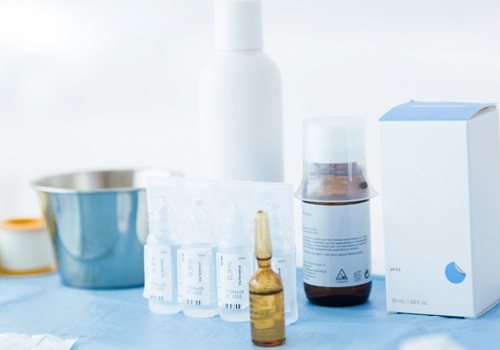


Principais vantagens e benefícios
1. Intermediário crítico para a síntese de APIs de sucesso
Benefício: Serve como o precursor essencial e direto na síntese comercial consolidada do Aripiprazol, um antipsicótico atípico de primeira linha com vendas anuais multimilionárias. Seu fornecimento confiável e qualidade consistente estão diretamente ligados à fabricação global do IFA (Ingrediente Farmacêutico Ativo).
Cenário de aplicação: No Produção em larga escala de aripiprazol, em conformidade com as Boas Práticas de Fabricação (GMP).Este composto sofre N-alquilação sequencial do anel piperazínico, seguida de hidrólise ou transformação do éster. Sua reatividade bem definida e pureza cristalina garantem altos rendimentos e minimizam os desafios de purificação durante o aumento de escala, assegurando a cadeia de suprimentos para um medicamento essencial para a saúde mental.
2. Andaime bifuncional e ortogonalmente reativo
Benefício: Oferece dois sítios de reação distintos e facilmente modificáveis: o aminas secundárias na piperazina (para N-alquilação/acilação) e o éster metílico (para hidrólise em ácido ou formação de amida). Isso permite a geração rápida e paralela de diversas bibliotecas de compostos.
Cenário de aplicação: Em Programas de química medicinal voltados para distúrbios do SNCOs pesquisadores usam essa estrutura para gerar análogos rapidamente. Por exemplo, eles podem primeiro realizar uma aminação redutiva em um nitrogênio da piperazina para introduzir vários grupos lipofílicos, depois hidrolisar o éster e acoplá-lo a diversos fragmentos de amina por meio da formação de ligações amida, explorando eficientemente o espaço químico em torno de uma estrutura central comprovada.
3. Incorpora uma "Estrutura Privilegiada" com Propriedades DMPK Favoráveis
Benefício: O grupo 4-(piperazin-1-il)fenil é uma estrutura privilegiada clássica, conhecida por conferir condições favoráveis. permeabilidade da barreira hematoencefálica, afinidade pelo alvo (especialmente para GPCRs como os receptores 5-HT1A e D2) e estabilidade metabólica.
Cenário de aplicação:Quando usado como ponto de partida em descoberta neurofarmacológica em estágio inicialA incorporação desse fragmento em novas entidades químicas proporciona uma maior probabilidade de alcançar a exposição cerebral e o engajamento desejado do receptor, reduzindo os riscos do processo inicial de identificação de compostos-líderes.
4. Alta cristalinidade para purificação e manuseio superiores
Benefício: Existe como um sólido estável e cristalino (ao contrário de muitos derivados de piperazina oleosos ou de baixo ponto de fusão), o que facilita a purificação por recristalização, garante pesagem precisa, melhora a estabilidade a longo prazo e simplifica o manuseio e armazenamento logístico.
Cenário de aplicação: Para um Organização de pesquisa contratada (CRO) que sintetiza bibliotecas personalizadasA forma sólida permite um manuseio simples em bancada, dispensação automatizada precisa para síntese paralela e fácil remoção do excesso de reagentes por meio de simples filtração após recristalização em etanol ou acetato de etila.
4-(1-piperazinil)benzoato de metila (CAS 163210-97-7) é muito mais do que um simples intermediário químico; é um Ativo estratégico validado em química farmacêutica.Sua vantagem incomparável é a sua histórico comprovado como a pedra angular de um importante IFA terapêutico, aliado ao seu design inerente como um estrutura altamente ajustável para descobertaPara químicos de processo, garante eficiência na fabricação comercial. Para químicos medicinais, oferece uma plataforma de lançamento para inovação com um perfil já consolidado para o sucesso no desenvolvimento de fármacos para o SNC. Representa a interseção ideal entre utilidade sintética, relevância biológica comprovada e propriedades de manipulação física.
Perguntas frequentes
Q1: Qual é a principal importância comercial e sintética deste composto?
A: É de suma importância, pois penúltimo essencial ou intermediário chave na síntese industrial do medicamento de grande sucesso AripiprazolSua produção confiável e de alto rendimento está diretamente ligada à cadeia de suprimentos desse importante medicamento. Para os pesquisadores, é uma solução perfeita. bloco de construção divergente para a criação de novas moléculas bioativas direcionadas a GPCRs.
Q2: Quais são as especificações críticas de controle de qualidade que devemos solicitar a um fornecedor?
A: Para uso na síntese de APIs (Ingredientes Farmacêuticos Ativos), A alta pureza é inegociável..
Pureza (HPLC/GC): Mínimo ≥98,5%, de preferência ≥99,0%.
Substâncias relacionadas: Limites específicos para impurezas potenciais, como materiais de partida (4-fluorobenzoato de metila), piperazina e subprodutos dissubstituídos.
Solventes residuais: Deve cumprir as diretrizes do ICH, especialmente no que diz respeito a solventes como DMF, DMSO ou NMP utilizados na sua síntese.
Ensaio (em base seca): Normalmente especificado como 98,0-102,0%.
Q3: Como deve ser armazenado para manter a estabilidade e qual é o seu prazo de validade típico?
A: Devido ao seu higroscópico devido à sua natureza e potencial para hidrólise de ésteres, deve ser armazenado em um recipiente hermeticamente fechado sob um atmosfera inerte (nitrogênio) em um Local fresco e seco. Para armazenamento a longo prazo, um geladeira (2-8°C)É recomendado. Nessas condições, o prazo de validade é normalmente 24 a 36 mesesSempre deixe o recipiente lacrado atingir a temperatura ambiente antes de abri-lo para evitar a condensação de umidade.
Q4: Quais são as principais transformações sintéticas para as quais ele é mais comumente usado?
A: Seus dois grupos funcionais permitem uma química ortogonal:
N-Alquilação/Acilação de Piperazina: O próximo passo mais comum. Por exemplo, reagir com 1,4-dibromobutano ou 7-bromo-3,4-di-hidro-2(1H)-quinolinona(No caso da síntese de Aripiprazol) para alquilar um nitrogênio da piperazina.
Hidrólise/Transformação de Ésteres: O éster metílico pode ser saponificado ao ácido carboxílico (usando LiOH/NaOH) e então convertido em uma amida, ou submetido diretamente à aminólise com uma amina nucleofílica forte.
Q5: Está sujeito a algum controle regulatório rigoroso ou a requisitos de licenciamento?
A: Geralmente, Não é uma substância controlada.No entanto, como é um precursor direto conhecido de um medicamento sujeito a prescrição médica (Aripiprazol), sua venda e transporte podem estar sujeitos a maior escrutínioDependendo da jurisdição e da quantidade, fornecedores confiáveis terão procedimentos de conformidade adequados. Os compradores devem estar preparados para fornecer informações legítimas sobre o uso final.
Q6: Quais são os principais riscos de manuseio e as precauções de segurança necessárias?
A: Embora uma avaliação completa de riscos dependa do lote específico, trate-a como uma substância química potencialmente nociva.
EPI: Use as medidas apropriadas. Luvas de nitrilo, óculos de proteção e jaleco.
Controles de Engenharia: Manuseie em um Área bem ventilada ou capela de exaustão, especialmente ao manusear pó, para evitar a inalação.
Higroscopicidade: Proteja da umidade para manter a integridade química e evitar a formação de grumos.
Sempre consulte o Ficha de Dados de Segurança (FDS) fornecido pelo fornecedor antes do uso.
Q7: Qual é a principal técnica analítica para verificar sua identidade e pureza?
A: Espectroscopia de Ressonância Magnética Nuclear (RMN) de ¹H é a técnica mais definitiva. Os principais sinais de diagnóstico incluem: o sinal único para o grupo metil do éster (~3,8 ppm), o padrão característico AA'XX' (dupletos) para o anel benzênico para-dissubstituído (~6,9 e ~7,8 ppm)e o singleto/múltiplo amplo para o prótons do anel piperazínico (~2,8-3,4 ppm)A HPLC é utilizada para análises de pureza e de substâncias relacionadas.
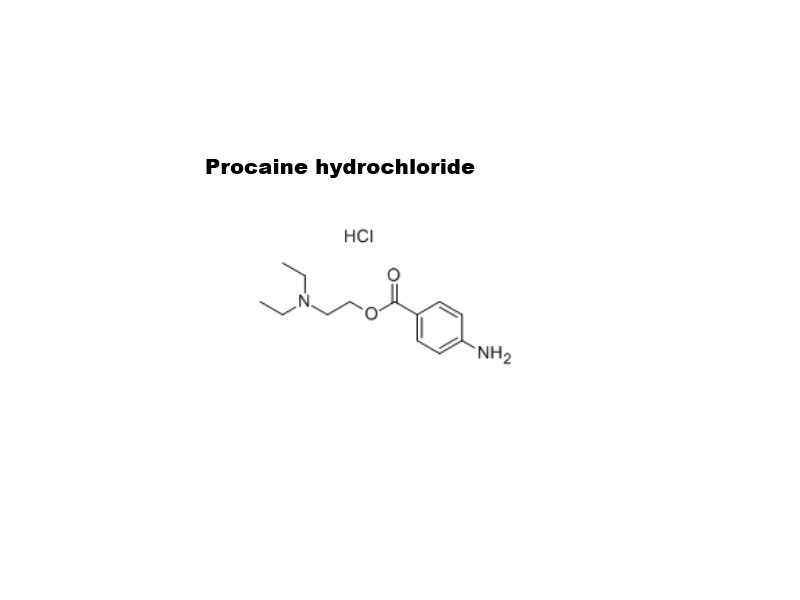
Cloridrato de Procaína CAS 51-05-8 é o sal cloridrato de procaína solúvel em água. É a formulação específica usada na medicina clínica, comercializada sob a famosa marca Procaína.NovocaínaEmbora seu uso na prática clínica tenha diminuído, continua sendo um medicamento historicamente fundamental e ainda é empregado em contextos médicos e terapêuticos específicos.
Detalhes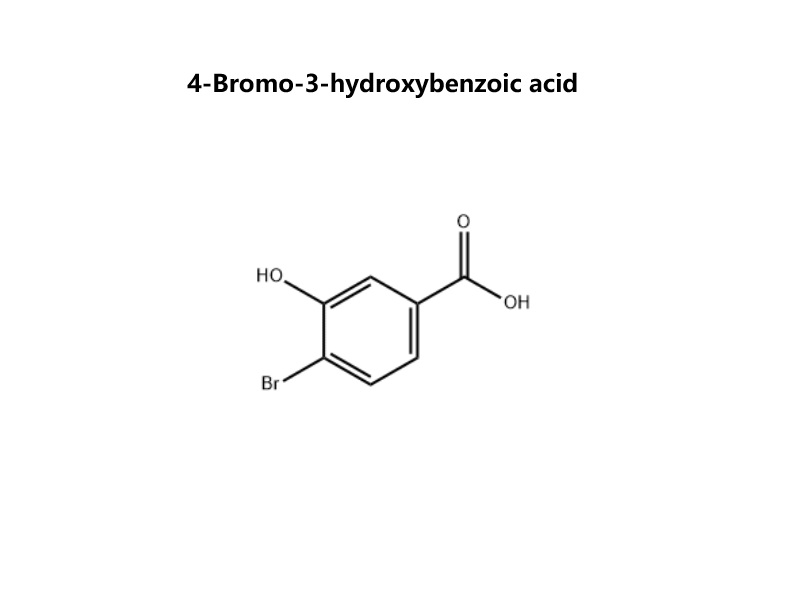
Ácido 4-bromo-3-hidroxibenzoico CAS 14348-38-0 é um Bloco de construção aromático multifuncional premium Projetada para síntese orientada à complexidade. Seu principal valor reside no posicionamento estratégico de três grupos funcionais distintos e ortogonalmente reativos em um anel benzênico, tornando-a uma ferramenta indispensável para a construção molecular convergente em pesquisa e desenvolvimento avançados.
Detalhes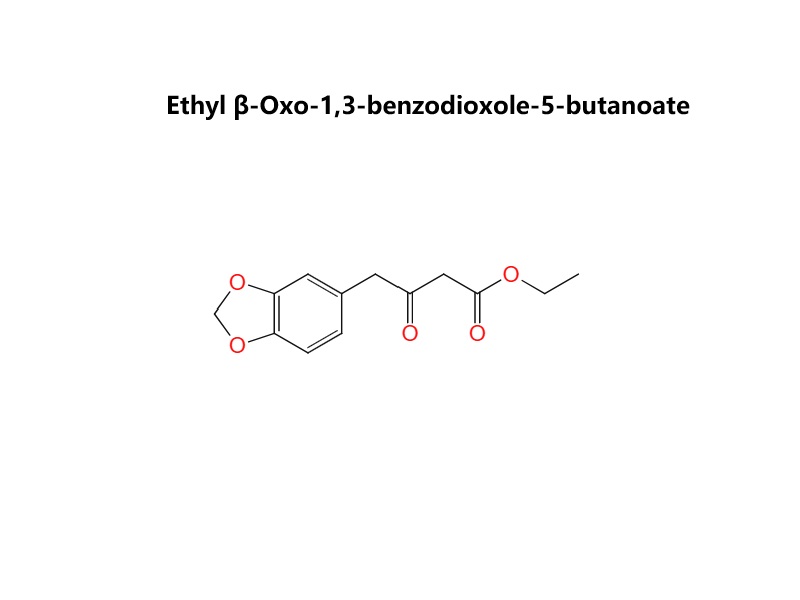
β-Oxo-1,3-benzodioxol-5-butanoato de etila CAS 31127-23-8 é um Derivado β-cetoéster apresentando um Sistema aromático 1,3-benzodioxol (metilenodioxifenil)Estruturalmente, consiste em um anel benzodioxol ligado por uma cadeia de três carbonos a um grupo funcional etil β-cetoéster (-CO-CH₂-COOEt). Isso o torna um bloco de construção bifuncional versátil Para síntese orgânica, combinando as propriedades eletrônicas do grupo benzodioxol com a alta reatividade de um β-cetoéster.
Detalhes![4-Nitrophenyl 3-(Benzo[d][1,3]dioxol-5-yl)-2-methylpropanoate](https://pt.qixiolivetol.com/storage/uploads/images/202604/17/1776427287_qZy87IjHSQ.jpg)
4-Nitrofenil 3-(Benzo[d][1,3]dioxol-5-il)-2-metilpropanoato é um agente acilante pré-ativado e quiralmente definido que combina um farmacóforo benzo[1,3]dioxol (piperonil) metabolicamente estável com a reatividade excepcional de um éster 4-nitrofenil. Permite a introdução eficiente e sem racemização de uma porção ácida quiral complexa em condições brandas, tornando-se indispensável para síntese química avançada e bioconjugação.4-Nitrofenil 3-(Benzo[d][1,3]dioxol-5-il)-2-metilpropanoato É um éster especial projetado como um intermediário bioquímico ou sintético reativo. Sua estrutura combina estrategicamente três unidades principais:(1)A Ácido 3-(benzo[1,3]dioxol-5-il)-2-metilpropanoico fração (ácido quiral substituído por piperonila).(2)A 4-nitrofenil éster saindo do grupo.Esse design o torna um éster ativado, onde o 4-nitrofenol é um excelente grupo de saída, facilitando reações de transferência de acila eficientes em condições brandas.
Detalhes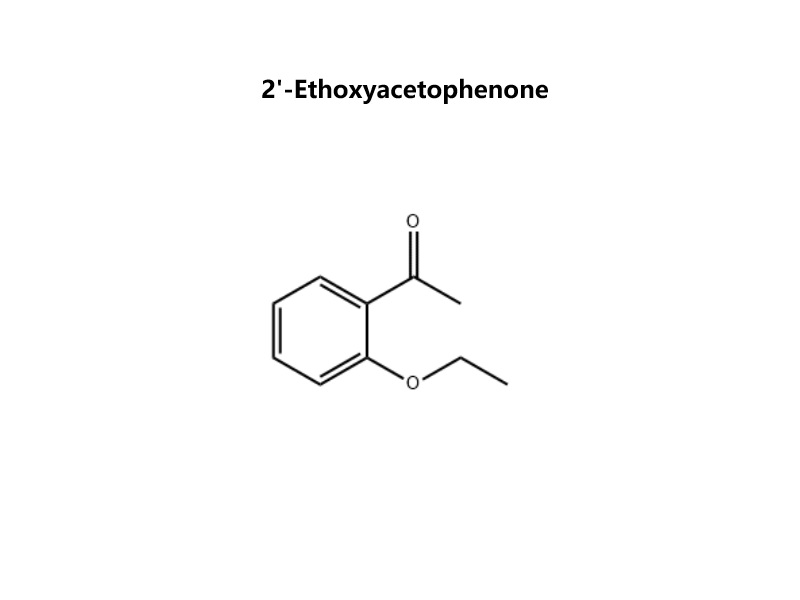
2'-Etoxiacetofenona CAS 2142-67-8 É uma cetona aromática especializada, caracterizada por um substituinte etóxi na posição orto em relação ao grupo acetil. Essa característica estrutural confere propriedades químicas e físicas distintas, tornando-a um bloco de construção privilegiado para a síntese de moléculas complexas, particularmente nos setores de aromas/fragrâncias e farmacêutico.
Detalhes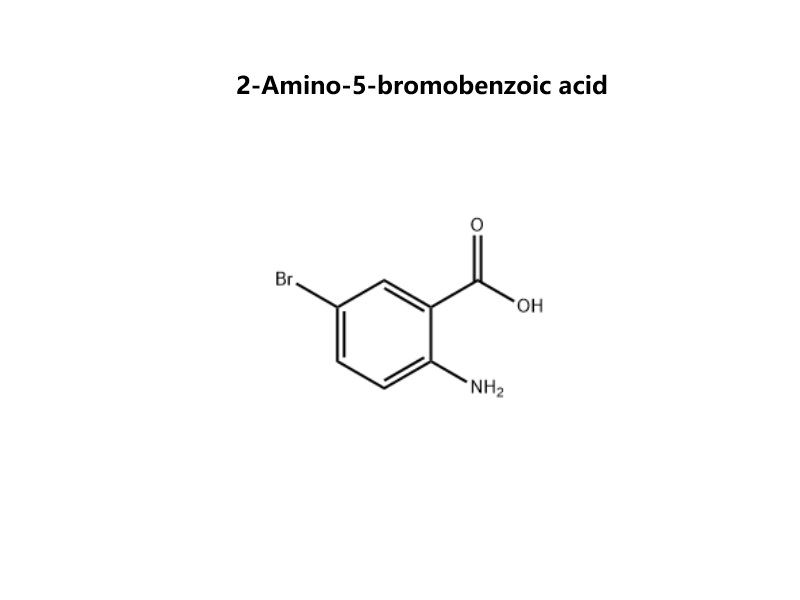
Ácido 2-amino-5-bromobenzoico CAS 5794-88-7 É um bloco de construção aromático altamente versátil que integra três grupos funcionais distintos — uma amina, um ácido carboxílico e um brometo de arila — em uma única estrutura sinteticamente valiosa. Essa multifuncionalidade o torna um intermediário crucial na química farmacêutica e de materiais avançados.
Detalhes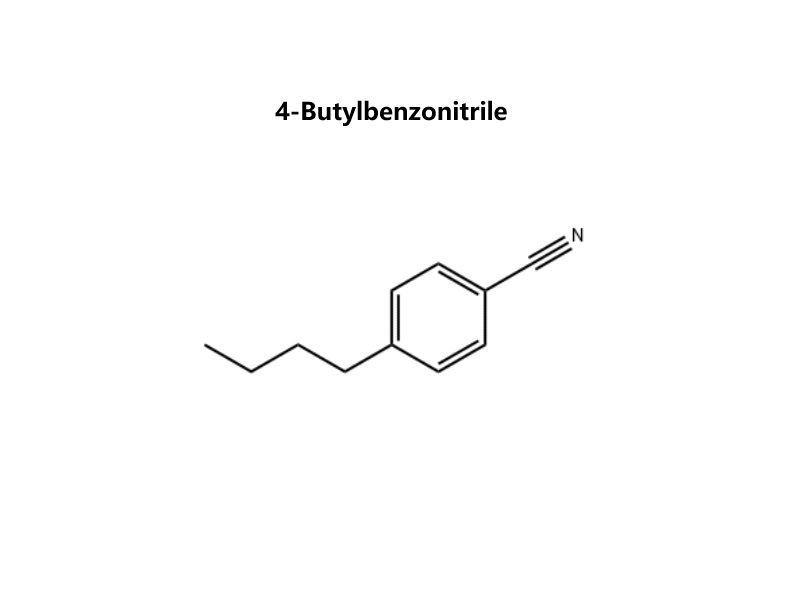
4-Butilbenzonitrila CAS 20651-73-4É um bloco de construção hidrofóbico estrategicamente projetado que combina um núcleo aromático rígido com uma cadeia alquílica linear flexível e um grupo funcional nitrila altamente versátil. Essa tríade de características o torna um intermediário excepcionalmente valioso para modular propriedades físico-químicas e viabilizar diversas vias sintéticas em pesquisas avançadas de materiais, produtos farmacêuticos e agroquímicos.
Detalhes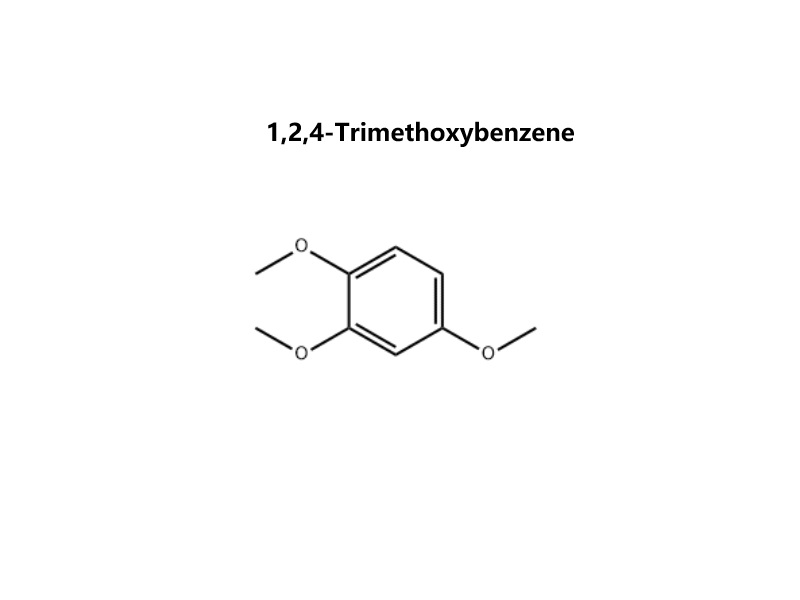
1,2,4-Trimetoxibenzeno CAS 135-77-3 É um bloco de construção aromático singularmente versátil e rico em elétrons. Seu principal valor reside em seu padrão de substituição assimétrico, porém altamente previsível, que proporciona um controle regioseletivo excepcional em síntese orgânica. Isso o torna uma estrutura privilegiada para a construção de moléculas complexas nas áreas farmacêutica, agroquímica e de materiais avançados.
Detalhes
 CONTATE-NOS
 1st Floor, No. 477, Huancheng West Road, Nanqiao Town, Fengxian District, Shanghai,China
 sales@qxscientific.com
 +86 -13701740203


 IPv6 SUPORTADO POR REDE
|
Mapa do site
|
XML |
Blogue |
política de Privacidade
IPv6 SUPORTADO POR REDE
|
Mapa do site
|
XML |
Blogue |
política de Privacidade
Deixe um recado
Scan to Wechat/Whatsapp :



 Português
 English
 Español
 Português