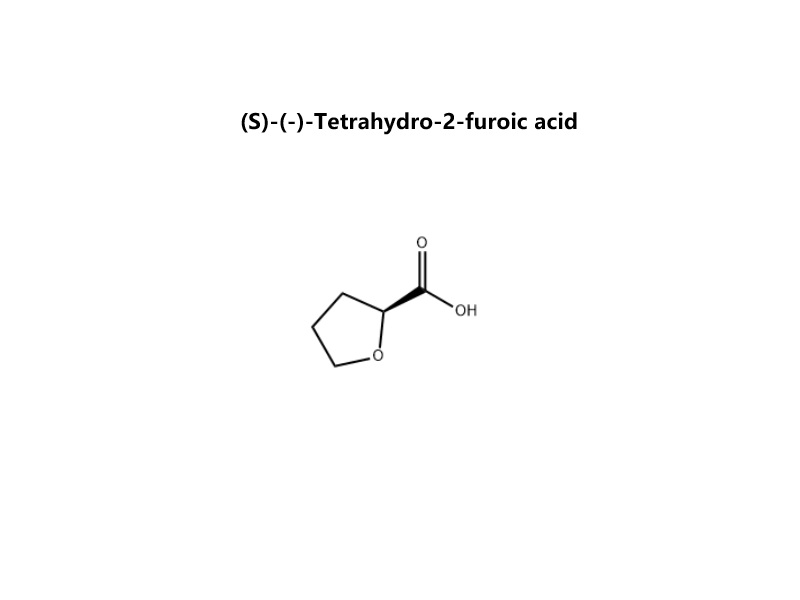
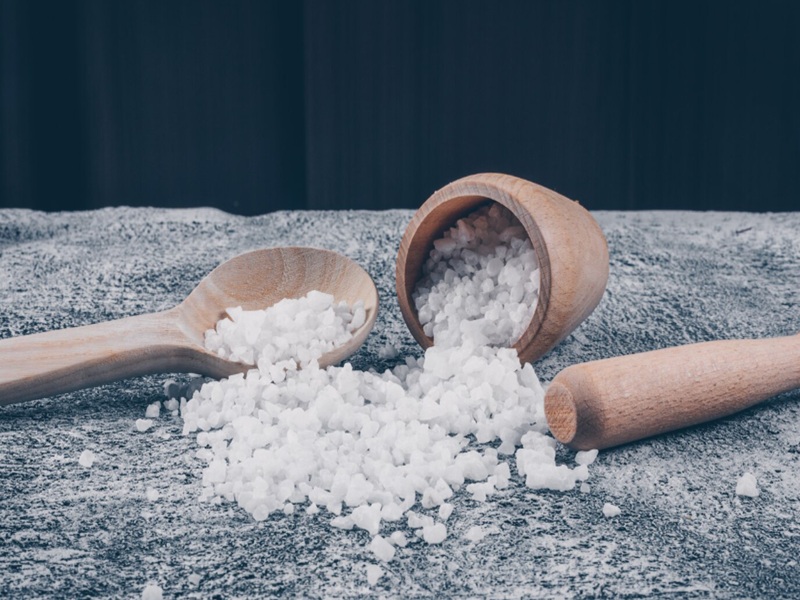
Ácido (S)-(−)-tetraidro-2-furoico CAS 87392-07-2 É um ácido carboxílico quiral, não proteinogênico, que apresenta um anel furânico saturado (tetraidrofurano, THF) com um grupo ácido carboxílico na posição 2. É o único enantiômero (S) do ácido 2-tetraidrofuroico, um valioso composto. bloco de construção quiral em síntese orgânica. Este composto é um bloco de construção quiral enantiomericamente puro de alto valorque fornece uma solução pronta para uso, metabolicamente estável e com conformação restrita esqueleto de ácido carboxílico de tetraidrofurano (THF) na configuração (S)Seu principal valor reside em possibilitar a síntese eficiente e estereocontrolada de moléculas complexas para as ciências da vida.
Nome :
(S)-(-)-Tetrahydro-2-furoic acidNº CAS. :
87392-07-2MF :
C₅H₈O₃MW :
116.12Pureza :
98%Aparência :
Typically a white to off-white crystalline powder or low-melting solid.Condição de armazenamento :
Store in a tightly sealed container in a cool, dry place. For long-term storage ( > 6 months), a refrigerator (2-8°C) is recommended.Propriedades Químicas
Nome IUPAC:Ácido (S)-tetraidrofurano-2-carboxílico
Outros nomes comuns: (S)-2-Carboxitetraidrofurano; Ácido L-tetraidro-2-furoico (histórico, não padronizado)
Fórmula química: C₅H₈O₃
Peso molecular: 116,12 g/mol
Rotação específica: [α]²⁰_D ≈ -15° a -20° (c=1 em H₂O ou outro solvente, o valor exato varia)
Estrutura: Um anel de tetraidrofurano de cinco membros com um estereocentro de configuração (S) no carbono alfa ao grupo ácido carboxílico (C2).
Aparência: Geralmente, trata-se de um pó cristalino branco a quase branco ou de um sólido com baixo ponto de fusão.
Ponto de fusão: ~ 35-40 °C (pode variar dependendo da pureza e da forma cristalina)
Ponto de ebulição: Decompõe-se durante a destilação; normalmente utilizado abaixo de 150°C.
Solubilidade: Solúvel em água, álcoois inferiores (metanol, etanol) e solventes orgânicos polares (THF, acetato de etila). Pouco solúvel em solventes apolares como o hexano.
Acidez: pKa ~3,5-4,0, típico de um ácido carboxílico alifático.
Estabilidade: Estável em condições normais de armazenamento. Os derivados de éster e amida são geralmente mais estáveis e comumente usados em síntese.
Reatividade: Apresenta reatividade padrão de ácido carboxílico:
Esterificação/Amidação: Pode formar ésteres e amidas.
Redução: Pode ser reduzido ao álcool correspondente, álcool (S)-tetraidrofurfurílico.
Descarboxilação: Em condições específicas, pode sofrer descarboxilação.
Sinton de Piscina Quiral: O anel quiral de THF é mantido e usado para transferir quiralidade para moléculas mais complexas.
Atividades Biológicas
Ocorrência Natural e Metabolismo: Não é um metabólito natural principal, mas pode ocorrer como um componente minoritário ou produto de degradação. É estruturalmente relacionado aos metabólitos de ácidos graxos furanoides e pode servir como precursor ou análogo em certas vias bioquímicas.
Atividade Biológica: Não apresenta atividade farmacológica intrínseca significativa e bem caracterizada como composto isolado. Sua principal importância reside em sua atuação como um isóstero metabolicamente estável ou andaime com conformação restrita em química medicinal.
Isóstero: O anel THF pode servir como um bioisóstero para um ciclopentano ou uma porção de ribose saturada.
Toxicidade: A substância apresenta baixa toxicidade aguda, mas pode ser irritante para os olhos, pele e mucosas. Não há relatos generalizados de riscos graves específicos, mas deve ser manuseada como um produto químico padrão de laboratório.
Biossíntese
Biossíntese Natural: Não é um produto natural primário; não se conhece nenhuma via biossintética principal dedicada a ele.
Síntese Industrial/Química: Produzido via síntese assimétrica ou resolução quiral.
1. Hidrogenação Assimétrica: Uma importante rota industrial envolve a hidrogenação assimétrica do ácido furano-2-carboxílico comercialmente disponível ou seus derivados, utilizando catalisadores quirais de rutênio ou ródio, resultando diretamente no produto enantiomericamente enriquecido.
2. Materiais iniciais para a piscina quiral: A síntese a partir de outros produtos naturais quirais (por exemplo, açúcares como a ribose) é possível, mas menos comum para produção em larga escala.
3. Resolução Enzimática:A resolução cinética do ácido tetraidro-2-furoico racêmico (ou seus ésteres) usando lipases ou esterases pode produzir o enantiômero (S) desejado.
Aplicações

Principais vantagens e benefícios
1. Sintão quiral pronto para uso com alta integridade estereoquímica
Benefício: Fornece acesso imediato a um definido estereocentro configurado em (S) ligado a um grupo funcional de ácido carboxílico, eliminando a necessidade de resoluções quirais dispendiosas e ineficientes ou transformações assimétricas posteriores em uma síntese.
Cenário de aplicação: No diversificação em estágio final de uma biblioteca de candidatos a fármacos direcionados a uma proteaseOs químicos medicinais podem acoplar diretamente esse ácido a vários núcleos de amina usando reagentes de acoplamento de amida padrão. Isso gera rapidamente uma série de análogos com uma cadeia lateral quiral, rígida e conservada, permitindo estudos precisos de relação estrutura-atividade (SAR) em torno do sítio de ligação lipofílico sem riscos de racemização.
2. Bioisóstero ideal e andaime com conformação restrita
Benefício: O saturado O anel THF atua como um bioisóstero estável e não planar. para outros sistemas cíclicos (como o ciclopentano) ou como um análogo restrito de cadeias flexíveis de ácido butíricoIsso impõe uma geometria tridimensional específica, melhorando a afinidade de ligação ao alvo e a estabilidade metabólica.
Cenário de aplicação: Ao desenvolver um novo modulador GABAérgicoA substituição de uma cadeia alquílica flexível em um composto líder pela estrutura (S)-THF fixa o grupo carboxilato em uma orientação específica. Isso aumenta drasticamente a potência e reduz os efeitos colaterais, prevenindo conformações improdutivas, enquanto o oxigênio do éter pode proporcionar interações sutis de ligação de hidrogênio.
3. Grupo Funcional Duplo para Diversificação Facilitada
Benefício: O grupo ácido carboxílicoé um elemento fundamental universal para a elaboração sintética (amidação, esterificação, redução), enquanto o Éter THF Oferece locais adicionais para funcionalização (por exemplo, ativação de CH em posições adjacentes) ou influencia propriedades físico-químicas.
Cenário de aplicação: Ao sintetizar um ligante quiral para catálise assimétricaO ácido é inicialmente convertido em uma amida com uma amina quiral. O oxigênio do anel THF pode então ser usado para ligar grupos coordenantes adicionais (como fosfinas), criando uma classe privilegiada de ligantes P,O usada em reações de hidrogenação enantioseletivas para a indústria farmacêutica.
4. Perfil físico-químico favorável
Benefício: Contribui para uma melhoria equilíbrio entre lipofilicidade e solubilidadeO anel THF aumenta a lipofilicidade (LogP) em comparação com uma cadeia linear, auxiliando na permeabilidade da membrana, enquanto o oxigênio do éter e o grupo ácido fornecem pontos para solvatação e formação de sal.
Cenário de aplicação: Na otimização do Biodisponibilidade oral de um mimético peptídicoA incorporação do ácido (S)-tetraidro-2-furoico como substituto da prolina em uma posição crítica aumenta a permeabilidade celular ao mascarar o caráter polar, sem recorrer a grupos totalmente não polares que eliminariam a solubilidade aquosa necessária para a formulação.
Ácido (S)-(−)-tetraidro-2-furoico (CAS 87392-07-2)é um bloco de construção quiral estratégico de alta pureza que oferece uma combinação única de Definição estereoquímica, rigidez estrutural e versatilidade sintética. Não se trata de um produto químico comum, mas sim de uma ferramenta de precisão para pesquisadores de medicamentos e químicos sintéticos. Sua maior vantagem é a capacidade de... conferir forma tridimensional ideal e propriedades farmacológicas aprimoradas. em uma molécula-alvo desde os estágios iniciais de projeto. Para projetos que exigem um componente de ácido carboxílico metabolicamente estável, não básico e espacialmente definido, ele oferece uma solução superior e muitas vezes insubstituível em comparação com ácidos quirais mais comuns, como a prolina ou cadeias lineares, acelerando o caminho para compostos líderes otimizados e ingredientes ativos finais.
Perguntas frequentes
Q1: Qual é a principal proposta de valor do enantiômero (S) especificamente?
A: O A configuração (S) é um arranjo espacial específico e definido.Necessário para a atividade biológica ou resultado estereoquímico na molécula alvo final. O uso de um único enantiômero garante:
Farmacologia previsívelem candidatos a medicamentos.
Alta enantioseletividade quando usado para produzir catalisadores ou ligantes quirais.
Conformidade regulamentarPara o desenvolvimento farmacêutico, onde os racematos são frequentemente indesejáveis.
Q2: Qual é a especificação crítica a ser confirmada ao encomendar síntese quiral?
UM: O excesso enantiomérico (ee) é fundamental. Para a maioria das aplicações sintéticas, um mínimo de >98% ee é necessário, com >99% eeSendo o padrão para intermediários avançados. Sempre solicite um certificado de análise (CoA) com a rotação óptica específica e o valor de ee (normalmente determinado por HPLC quiral ou GC).
Q3: Como deve ser armazenado para manter a estabilidade e a pureza quiral?
A: Armazene em um recipiente hermeticamente fechado em um lugar fresco e secoPara armazenamento a longo prazo (> 6 meses), um geladeira (2-8°C)É recomendado. Embora não seja particularmente propenso à racemização em condições normais, protegê-lo do calor e da umidade preserva sua pureza química e quiral.
Q4: Quais são as transformações subsequentes mais comuns realizadas com esse ácido?
A: É convertido com mais frequência em derivados mais robustos e versáteis:
Ésteres ativados: Conversão em cloreto de ácido ou formação de ésteres de pentafluorofenil (PFP) ou N-hidroxissuccinimida (NHS) para acoplamento amídico eficiente.
Acoplamento direto de amida: Utilizando reagentes de acoplamento peptídico (ex.: HATU, EDC) com aminas para formar amidas quirais.
Esterificação: Para formar ésteres metílicos ou etílicos para uso como intermediários ou para análise quiral por GC.
Q5: Pode ser usado como substituto direto da prolina ou de outros aminoácidos cíclicos?
UM: Não diretamente, mas é um bioisóstero valioso.Não possui o grupo amino da prolina, mas oferece um Ácido carboxílico metabolicamente estável e com conformação restrita. É utilizado no desenvolvimento de fármacos para substituir outras estruturas cíclicas, modulando propriedades como polaridade, estabilidade metabólica e forma tridimensional, sem a farmacologia do nitrogênio básico.
Q6: Quais são os perfis típicos de impurezas e como eles afetam a síntese?
A: As principais impurezas a serem monitoradas incluem:
O enantiômero (R): A principal preocupação. Mesmo 1-2% podem impactar significativamente a eficiência energética (ee) dos produtos subsequentes.
Ácido furano-2-carboxílico: Um possível material de partida.
Produtos de super-redução ou dímeros.
As impurezas podem diminuir o rendimento, complicar as purificações e, principalmente, comprometer a integridade estereoquímica do produto final.
Q7: Qual é a principal vantagem competitiva em relação à mistura racêmica?
A: Usando a forma enantiopura (S) Elimina a necessidade de uma etapa de resolução dispendiosa e ineficiente posteriormente.na síntese. Ela fornece estereoquímica imediata Controle, otimização da rota sintética, melhoria do rendimento global e redução de resíduos — princípios-chave da síntese quiral eficiente e sustentável. Representa uma economia de custos na síntese total de moléculas quirais complexas.
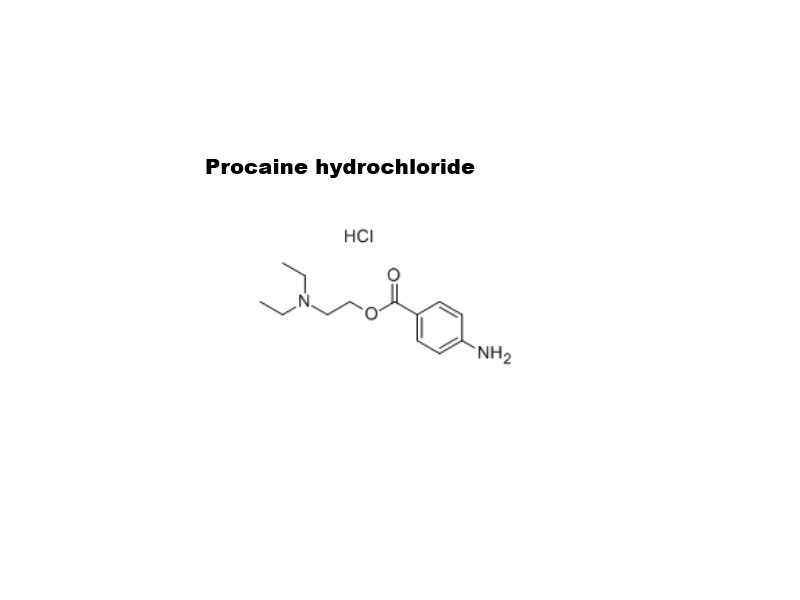
Cloridrato de Procaína CAS 51-05-8 é o sal cloridrato de procaína solúvel em água. É a formulação específica usada na medicina clínica, comercializada sob a famosa marca Procaína.NovocaínaEmbora seu uso na prática clínica tenha diminuído, continua sendo um medicamento historicamente fundamental e ainda é empregado em contextos médicos e terapêuticos específicos.
Detalhes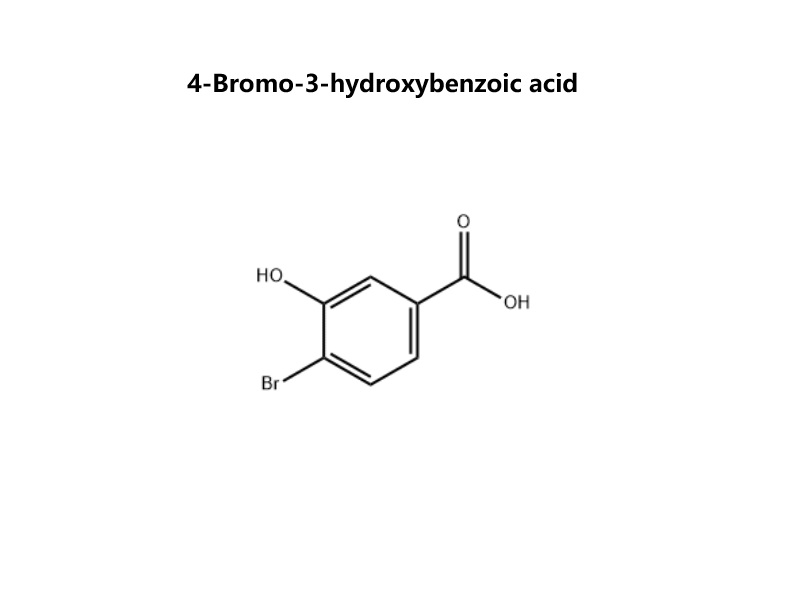
Ácido 4-bromo-3-hidroxibenzoico CAS 14348-38-0 é um Bloco de construção aromático multifuncional premium Projetada para síntese orientada à complexidade. Seu principal valor reside no posicionamento estratégico de três grupos funcionais distintos e ortogonalmente reativos em um anel benzênico, tornando-a uma ferramenta indispensável para a construção molecular convergente em pesquisa e desenvolvimento avançados.
Detalhes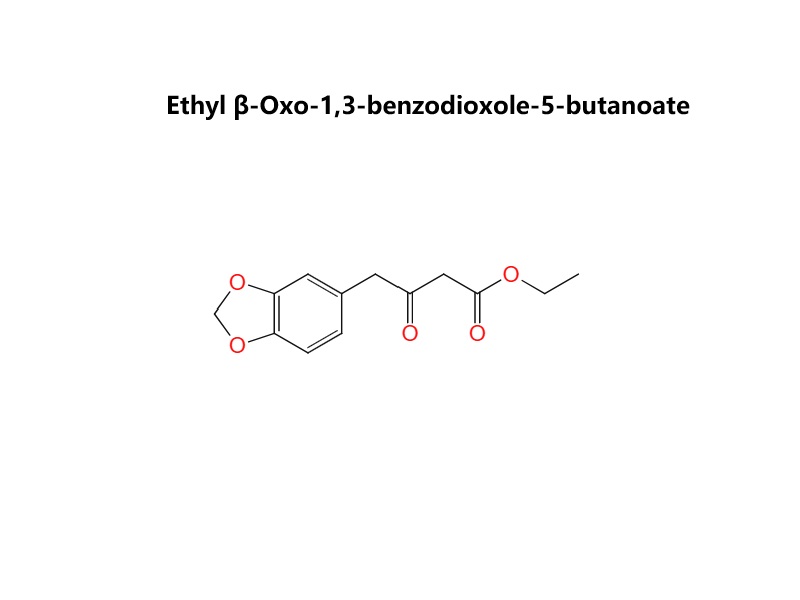
β-Oxo-1,3-benzodioxol-5-butanoato de etila CAS 31127-23-8 é um Derivado β-cetoéster apresentando um Sistema aromático 1,3-benzodioxol (metilenodioxifenil)Estruturalmente, consiste em um anel benzodioxol ligado por uma cadeia de três carbonos a um grupo funcional etil β-cetoéster (-CO-CH₂-COOEt). Isso o torna um bloco de construção bifuncional versátil Para síntese orgânica, combinando as propriedades eletrônicas do grupo benzodioxol com a alta reatividade de um β-cetoéster.
Detalhes![4-Nitrophenyl 3-(Benzo[d][1,3]dioxol-5-yl)-2-methylpropanoate](https://pt.qixiolivetol.com/storage/uploads/images/202604/17/1776427287_qZy87IjHSQ.jpg)
4-Nitrofenil 3-(Benzo[d][1,3]dioxol-5-il)-2-metilpropanoato é um agente acilante pré-ativado e quiralmente definido que combina um farmacóforo benzo[1,3]dioxol (piperonil) metabolicamente estável com a reatividade excepcional de um éster 4-nitrofenil. Permite a introdução eficiente e sem racemização de uma porção ácida quiral complexa em condições brandas, tornando-se indispensável para síntese química avançada e bioconjugação.4-Nitrofenil 3-(Benzo[d][1,3]dioxol-5-il)-2-metilpropanoato É um éster especial projetado como um intermediário bioquímico ou sintético reativo. Sua estrutura combina estrategicamente três unidades principais:(1)A Ácido 3-(benzo[1,3]dioxol-5-il)-2-metilpropanoico fração (ácido quiral substituído por piperonila).(2)A 4-nitrofenil éster saindo do grupo.Esse design o torna um éster ativado, onde o 4-nitrofenol é um excelente grupo de saída, facilitando reações de transferência de acila eficientes em condições brandas.
Detalhes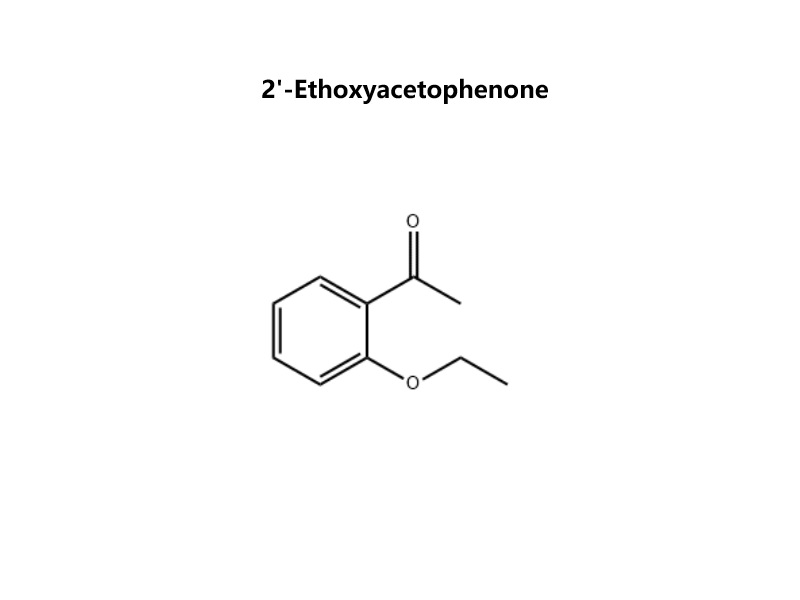
2'-Etoxiacetofenona CAS 2142-67-8 É uma cetona aromática especializada, caracterizada por um substituinte etóxi na posição orto em relação ao grupo acetil. Essa característica estrutural confere propriedades químicas e físicas distintas, tornando-a um bloco de construção privilegiado para a síntese de moléculas complexas, particularmente nos setores de aromas/fragrâncias e farmacêutico.
Detalhes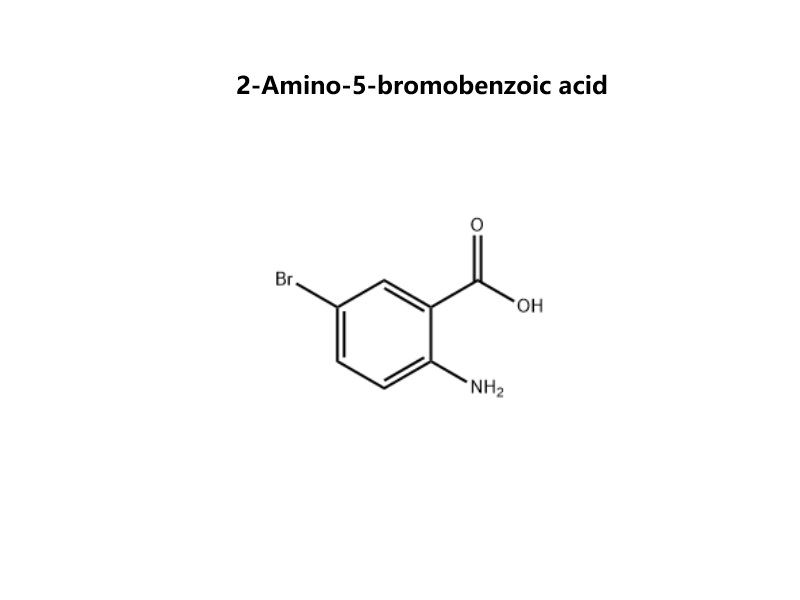
Ácido 2-amino-5-bromobenzoico CAS 5794-88-7 É um bloco de construção aromático altamente versátil que integra três grupos funcionais distintos — uma amina, um ácido carboxílico e um brometo de arila — em uma única estrutura sinteticamente valiosa. Essa multifuncionalidade o torna um intermediário crucial na química farmacêutica e de materiais avançados.
Detalhes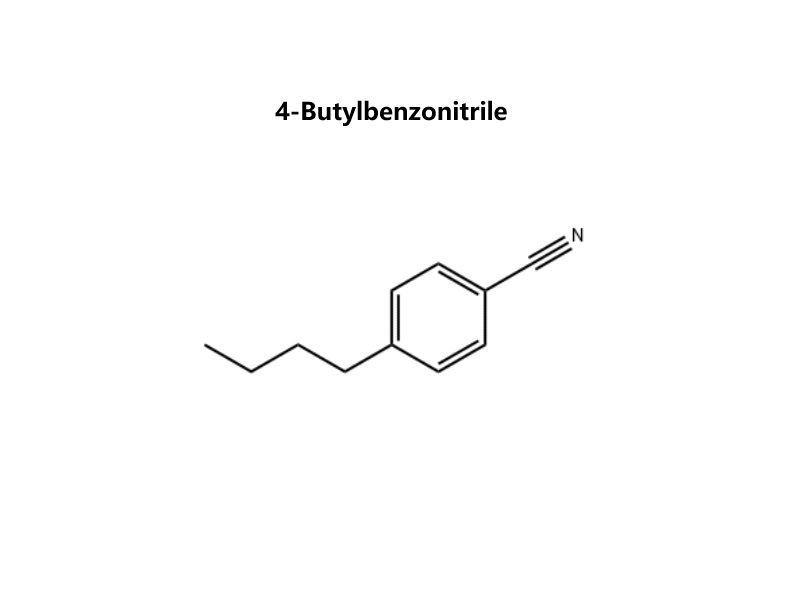
4-Butilbenzonitrila CAS 20651-73-4É um bloco de construção hidrofóbico estrategicamente projetado que combina um núcleo aromático rígido com uma cadeia alquílica linear flexível e um grupo funcional nitrila altamente versátil. Essa tríade de características o torna um intermediário excepcionalmente valioso para modular propriedades físico-químicas e viabilizar diversas vias sintéticas em pesquisas avançadas de materiais, produtos farmacêuticos e agroquímicos.
Detalhes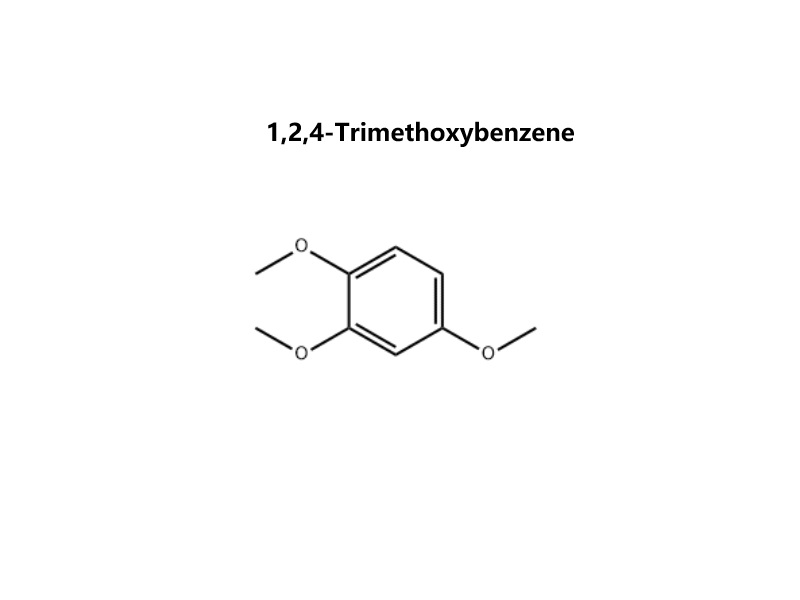
1,2,4-Trimetoxibenzeno CAS 135-77-3 É um bloco de construção aromático singularmente versátil e rico em elétrons. Seu principal valor reside em seu padrão de substituição assimétrico, porém altamente previsível, que proporciona um controle regioseletivo excepcional em síntese orgânica. Isso o torna uma estrutura privilegiada para a construção de moléculas complexas nas áreas farmacêutica, agroquímica e de materiais avançados.
Detalhes
 CONTATE-NOS
 1st Floor, No. 477, Huancheng West Road, Nanqiao Town, Fengxian District, Shanghai,China
 sales@qxscientific.com
 +86 -13701740203


 IPv6 SUPORTADO POR REDE
|
Mapa do site
|
XML |
Blogue |
política de Privacidade
IPv6 SUPORTADO POR REDE
|
Mapa do site
|
XML |
Blogue |
política de Privacidade
Deixe um recado
Scan to Wechat/Whatsapp :



 Português
 English
 Español
 Português