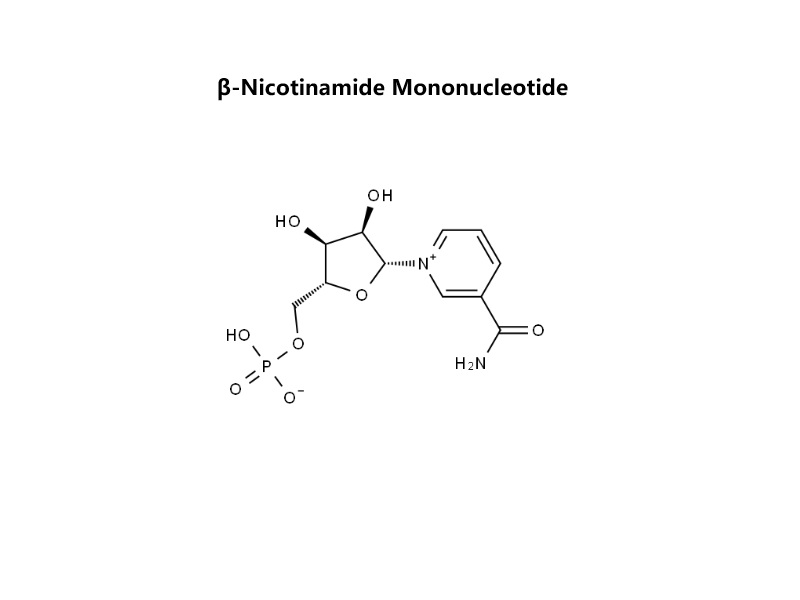

Mononucleotídeo de β-nicotinamida (NMN) CAS 1094-61-7 é um nucleotídeo biologicamente essencial e o precursor biossintético direto de dinucleotídeo de nicotinamida adenina (NAD+)É composto por uma base de nicotinamida, um açúcar ribose e um grupo fosfato, formando um mononucleotídeo. A designação "β" refere-se à configuração estereoquímica específica da ligação glicosídica entre a nicotinamida e a ribose, que é a forma natural e biologicamente ativa. NMN é o Precursor bioquímico direto e limitante da taxa de produção de nicotinamida adenina dinucleotídeo (NAD+), uma coenzima fundamental, essencial para a produção de energia celular, reparo do DNA e expressão genética. Sua principal vantagem é a Restauração eficiente e rápida dos níveis decrescentes de NAD+, uma característica marcante do envelhecimento e da disfunção metabólica, visando assim a causa principal do declínio celular associado à idade.
Nome :
β-Nicotinamide MononucleotideNº CAS. :
1094-61-7MF :
C₁₁H₁₅N₂O₈PMW :
334.22Pureza :
98%Aparência :
Typically a white to off-white crystalline or amorphous powder.Condição de armazenamento :
Store in a sealed container, protected from moisture and light, in a freezer (-20°C) for long-term stability (years).Propriedades Químicas
Nome IUPAC: 3-Carbamoil-1-[(2R,3R,4S,5R)-3,4-di-hidroxi-5-(fosfonooximetil)oxolan-2-il]piridin-1-ium
Outros nomes comuns: Ribonucleotídeo de nicotinamida; NMN
Fórmula química: C₁₁H₁₅N₂O₈P
Peso molecular: 334,22 g/mol
Estrutura: Composto por uma porção de nicotinamida ligada por meio de uma ligação β-glicosídica ao carbono anomérico da ribose, que é fosforilada na posição 5'-hidroxila.
Aparência: Geralmente, trata-se de um pó cristalino ou amorfo, de cor branca a quase branca. A forma comercialmente disponível é frequentemente o sal de sódio (β-NMN-Na), que apresenta maior solubilidade.
Ponto de fusão: Decompõe-se antes de fundir (normalmente a > 150°C).
Solubilidade: A forma ácida livre é pouco solúvel em água. O sal de sódio (NMN-Na) é altamente solúvel em água (> 500 mg/mL) e ligeiramente solúvel em etanol. É insolúvel em solventes orgânicos apolares.
Estabilidade: Higroscópico e sensível à luz, ao calor e ao pH. É mais estável em estado sólido quando armazenado em local seco, frio e protegido da luz. Em solução aquosa, degrada-se com o tempo, especialmente em condições ácidas ou básicas e a temperaturas elevadas.
Atividade Óptica: A forma biologicamente ativa é a β-anômero, conforme definido pela estereoquímica na ligação glicosídica. Os anômeros alfa são inativos.
Reatividade química:O grupo fosfato pode participar de reações enzimáticas (por exemplo, conversão em NAD+ por enzimas NMNAT). O grupo amida na nicotinamida é relativamente estável, mas pode ser hidrolisado em condições extremas.
Atividades Biológicas
Função principal: Precursor direto de NAD+ A atividade biológica fundamental do NMN é servir como... substrato imediato para a biossíntese de NAD+ por meio da enzima nicotinamida mononucleotídeo adenililtransferase (NMNAT). O aumento dos níveis de NMN impulsiona diretamente os estoques intracelulares de NAD+.
Processos dependentes de NAD+: Ao aumentar os níveis de NAD+, o NMN influencia uma ampla gama de processos celulares críticos:
Metabolismo energético:Atua como um cofator crucial na produção de ATP mitocondrial (glicólise, ciclo do TCA, fosforilação oxidativa).
Ativação das sirtuínas (SIRT1-7): O NAD+ é um co-substrato essencial para as sirtuínas, uma classe de enzimas desacetilases que regulam a senescência celular, o reparo do DNA, a resistência ao estresse e a homeostase metabólica.
Ativação de PARP: Alimenta as poli(ADP-ribose) polimerases (PARPs), enzimas vitais para o reparo do DNA e a estabilidade genômica.
Atividade de CD38/CD157:Serve como substrato para a NAD+-glicohidrolase CD38, uma importante consumidora de NAD+ envolvida no envelhecimento.
Efeitos observados: Estudos pré-clínicos em modelos animais demonstraram que a suplementação com NMN pode melhorar o declínio fisiológico associado à idadeincluindo aumento da sensibilidade à insulina, função mitocondrial, saúde neuronal e prolongamento da vida em alguns modelos. Ensaios clínicos em humanos estão em andamento para validar esses benefícios.
Biossíntese
Biossíntese in vivo: Nos mamíferos, o NMN é sintetizado principalmente através da via de salvamentoA enzima chave é nicotinamida fosforibosiltransferase (NAMPT), que catalisa a etapa limitante da velocidade: a condensação da nicotinamida (NAM) com o pirofosfato de fosforribosila (PRPP) para formar NMN.
Produção comercial: O NMN para pesquisa e suplementos é produzido através de:
Síntese Enzimática: Utilizando NAMPT imobilizada ou outras enzimas em um biorreator. Este método produz β-NMN bioidêntico de alta pureza, mas pode ser dispendioso.
Fermentação: Utilizando cepas microbianas geneticamente modificadas (por exemplo, E. coli, B. subtilis) para produzir NMN a partir de fontes de carbono simples. Este é um método escalável e cada vez mais comum.
Síntese Química: São empregadas rotas tradicionais de síntese orgânica, que exigem controle cuidadoso para garantir a produção do β-anômero correto e a remoção de subprodutos químicos.
Aplicações



Principais vantagens e benefícios
1. Precursor biossintético de NAD+ mais direto e eficiente
Benefício: O NMN requer apenas uma única etapa enzimática (catalisada pela NMNAT) para formar NAD+, contornando a enzima NAMPT, que limita a velocidade da via de recuperação. Isso permite que Reposição de NAD+ mais rápida e eficiente em comparação com outros precursores que requerem múltiplas etapas de conversão.
Cenário de aplicação: Em um ambiente de pesquisa clínica estudando o declínio mitocondrial relacionado à idadeA suplementação oral com NMN é utilizada para elevar rapidamente os níveis de NAD+ no músculo esquelético de participantes idosos. Acredita-se que essa via direta melhore a eficiência da produção de ATP mitocondrial, com resultados mensuráveis em testes de resistência física e marcadores metabólicos.
2. Biodisponibilidade e eficácia clinicamente comprovadas
Beneficiar:Um número crescente de ensaios clínicos em humanos demonstra que o NMN é bem absorvido, seguro e eficaz no aumento dos níveis de NAD+ e na melhoria de parâmetros-chave de saúde, incluindo sensibilidade à insulina, função vascular e força muscular.
Cenário de aplicação: Uma empresa de nutracêuticos formula um NMN sublingual tablet Com base em estudos farmacocinéticos que demonstram rápida absorção na corrente sanguínea, este produto destina-se a consumidores de meia-idade preocupados com a saúde, com marketing apoiado por dados humanos publicados que mostram melhoria nos níveis de NAD+ e nos marcadores de saúde cardiometabólica em poucas semanas.
3. Suporte sistêmico multialvo para vias antienvelhecimento essenciais
Benefício: Ao aumentar os níveis de NAD+, o NMN ativa simultaneamente três famílias de enzimas essenciais para a longevidade: As sirtuínas (SIRT1-7) atuam na regulação gênica e na resistência ao estresse, as PARPs no reparo do DNA e o CD38 na função imunológica. Isso proporciona suporte celular de amplo espectro.
Cenário de aplicação: Em um sérum de cuidados com a pele premium para "rejuvenescimento celular", o NMN tópico é incluído para ativar a SIRT1 nas células da pele. Isso aprimora os mecanismos de reparo celular, promove a produção de colágeno e melhora a função de barreira, combatendo rugas e perda de elasticidade em nível metabólico, conforme validado por estudos in vitro em fibroblastos humanos.
4. Ferramenta de pesquisa essencial com alto valor translacional
Benefício: NMN serve como o intervenção padrão-ouro na pesquisa pré-clínica sobre envelhecimento Estabelecer relações causais entre os níveis de NAD+ e a fisiologia. Os resultados contribuem diretamente para o planejamento de ensaios clínicos em humanos e para o desenvolvimento de terapias.
Cenário de aplicação: Um grupo de pesquisa em biotecnologia utiliza NMN de alta pureza (>99%), verificado analiticamente.Em um modelo murino da doença de Alzheimer, eles demonstram que a administração crônica de NMN restaura os níveis de NAD+ no cérebro, reduz a neuroinflamação e melhora o desempenho cognitivo, fornecendo uma sólida prova de conceito para o avanço de um candidato terapêutico baseado em NMN para ensaios clínicos em humanos.
Mononucleotídeo de β-nicotinamida (NMN) (CAS 1094-61-7)representa o ápice da ciência dos precursores de NAD+Oferecendo um caminho direto, eficiente e clinicamente comprovado para restaurar um pilar fundamental da saúde celular, suas vantagens estão enraizadas na bioquímica — como substrato imediato para a síntese de NAD+ — e são cada vez mais validadas por evidências em humanos. Para os consumidores, oferece uma opção de suplemento direcionada e de alta eficácia; para os pesquisadores, é uma ferramenta indispensável; e para os formuladores, fornece um ingrediente ativo potente e com respaldo científico. Embora o custo e a estabilidade sejam considerações importantes, sua posição como o precursor mais direto com dados translacionais robustos o torna a escolha ideal. Composto de escolha para intervenção séria no declínio metabólico relacionado à idade..
Perguntas frequentes
Q1: Qual a diferença entre NMN e NR (ribosídeo de nicotinamida)?
A: Ambos são precursores de NAD+. NRO NR é a forma nucleosídica (sem o grupo fosfato). Ele precisa ser fosforilado a NMN dentro da célula antes de ser convertido em NAD+. O NMN é a molécula diretamente subsequente. Há debate sobre seus mecanismos de transporte, mas ambos aumentam efetivamente os níveis de NAD+. O NMN é frequentemente visto como um precursor mais direto, enquanto o NR é comercializado por suas potenciais vantagens de entrada na célula.
Q2: Como posso verificar a pureza e a autenticidade do pó de NMN?
A: Fornecedores de boa reputação oferecem um Certificado de Análise (CoA). Os principais testes incluem:
Pureza por HPLC: Deve ser ≥98% para a forma β-NMN.
Ressonância Magnética Nuclear (RMN): Confirma a estrutura molecular e a configuração crítica do anômero β.
Espectrometria de massa (EM): Verifica o peso molecular.
Análises de metais pesados e microbiológicas: Garanta a segurança do consumo. Desconfie de produtos sem certificados de análise transparentes.
Q3: Qual é a condição de armazenamento recomendada para manter a potência?
A: NMN é altamente suscetível à degradaçãoArmazene em um Recipiente selado, protegido da umidade e da luz, em congelador (-20°C) Para estabilidade a longo prazo (anos). Para uso diário, uma pequena alíquota pode ser mantida em local fresco, escuro e seco (como uma geladeira) por até alguns meses. Evite ambientes úmidos.
Q4: Quais são os efeitos colaterais comuns e as considerações de segurança?
A: Os ensaios clínicos em humanos em andamento (até aproximadamente 1 grama/dia) demonstraram que o produto é geralmente bem tolerado. Os efeitos colaterais leves relatados podem incluir desconforto leve. rubor facial, desconforto estomacal ou náuseasPor precaução, Mulheres grávidas ou em período de amamentação e pessoas que estejam tomando medicamentos devem consultar um profissional de saúde antes de usar o produto.Os dados de segurança a longo prazo em humanos ainda estão sendo coletados.
Q5: O NMN disponível no mercado é sintético ou natural?
A: A maior parte do NMN disponível comercialmente é produzida através de fermentação ou processos enzimáticos, que são consideradas "bioidênticas" — a molécula final é quimicamente idêntica à produzida no corpo, independentemente do método de produção. A extração verdadeiramente "natural" de fontes alimentares (como edamame, brócolis) não é comercialmente viável devido aos rendimentos extremamente baixos.
Q6: Por que a especificação "forma β" é tão importante?
A: Somente o β-anômero É reconhecido e utilizado por enzimas humanas (como a NMNAT) para sintetizar NAD+. O anômero α é biologicamente inativo.Para garantir a eficácia, o NMN de alta qualidade deve ser verificado como sendo na forma β pura. Produtos de qualidade inferior podem conter misturas ou apresentar uma forma completamente incorreta.
Q7: Como a biodisponibilidade é abordada, considerando o grupo fosfato carregado do NMN?
A: Esta é uma área ativa de pesquisa. Os mecanismos propostos incluem:
Possível conversão em NR no revestimento intestinal por meio de enzimas (ex.: CD73).
Existência de transportadores específicos, mas não totalmente caracterizados (como o Slc12a8 em camundongos).
Utilização de formas de administração sublingual ou lipossomal para melhorar a absorção.
Apesar da presença de fosfato, numerosos estudos relatam aumento dos níveis de NAD+ nos tecidos após a administração oral de NMN.
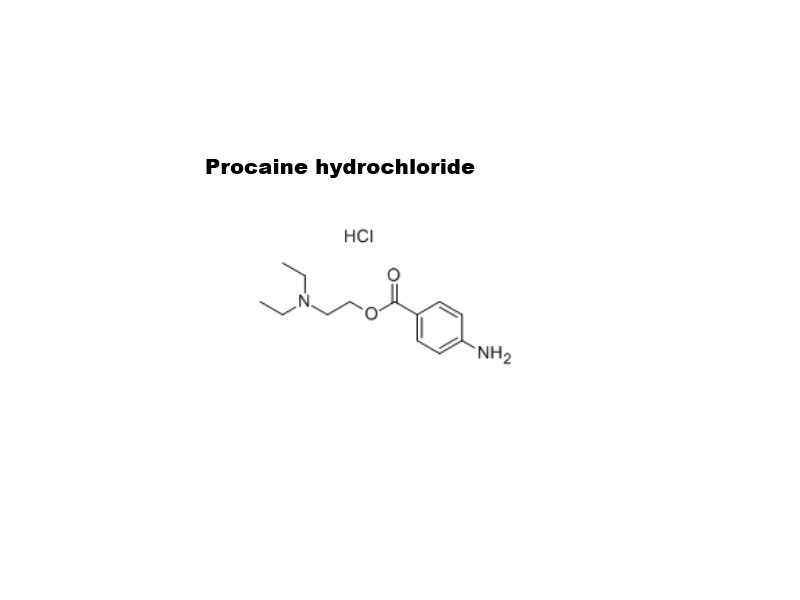
Cloridrato de Procaína CAS 51-05-8 é o sal cloridrato de procaína solúvel em água. É a formulação específica usada na medicina clínica, comercializada sob a famosa marca Procaína.NovocaínaEmbora seu uso na prática clínica tenha diminuído, continua sendo um medicamento historicamente fundamental e ainda é empregado em contextos médicos e terapêuticos específicos.
Detalhes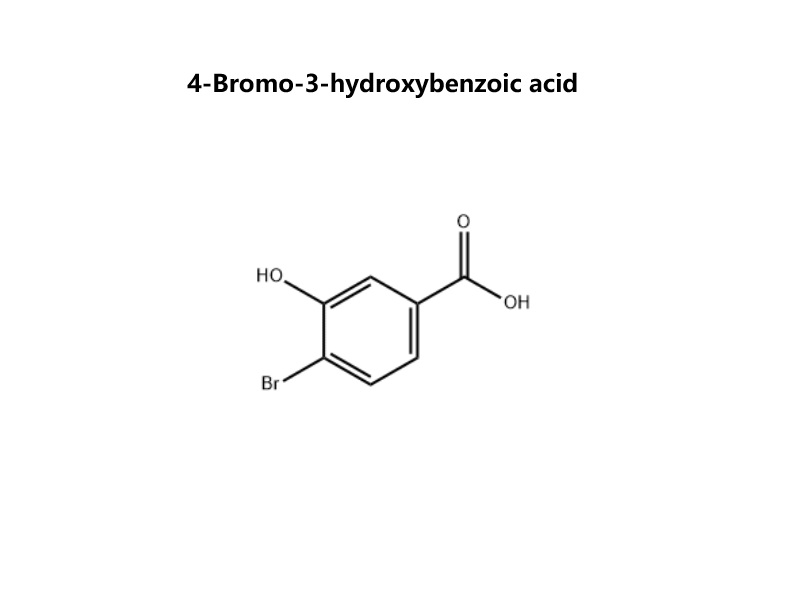
Ácido 4-bromo-3-hidroxibenzoico CAS 14348-38-0 é um Bloco de construção aromático multifuncional premium Projetada para síntese orientada à complexidade. Seu principal valor reside no posicionamento estratégico de três grupos funcionais distintos e ortogonalmente reativos em um anel benzênico, tornando-a uma ferramenta indispensável para a construção molecular convergente em pesquisa e desenvolvimento avançados.
Detalhes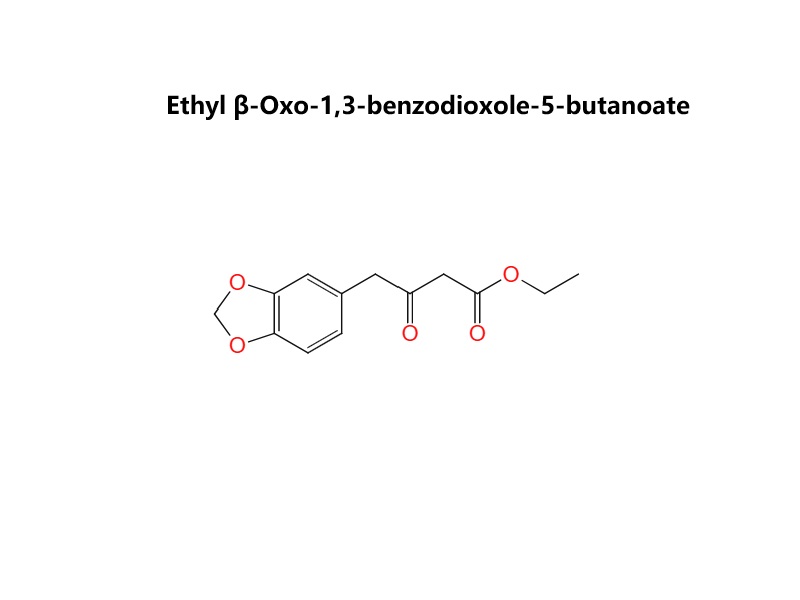
β-Oxo-1,3-benzodioxol-5-butanoato de etila CAS 31127-23-8 é um Derivado β-cetoéster apresentando um Sistema aromático 1,3-benzodioxol (metilenodioxifenil)Estruturalmente, consiste em um anel benzodioxol ligado por uma cadeia de três carbonos a um grupo funcional etil β-cetoéster (-CO-CH₂-COOEt). Isso o torna um bloco de construção bifuncional versátil Para síntese orgânica, combinando as propriedades eletrônicas do grupo benzodioxol com a alta reatividade de um β-cetoéster.
Detalhes![4-Nitrophenyl 3-(Benzo[d][1,3]dioxol-5-yl)-2-methylpropanoate](https://pt.qixiolivetol.com/storage/uploads/images/202604/17/1776427287_qZy87IjHSQ.jpg)
4-Nitrofenil 3-(Benzo[d][1,3]dioxol-5-il)-2-metilpropanoato é um agente acilante pré-ativado e quiralmente definido que combina um farmacóforo benzo[1,3]dioxol (piperonil) metabolicamente estável com a reatividade excepcional de um éster 4-nitrofenil. Permite a introdução eficiente e sem racemização de uma porção ácida quiral complexa em condições brandas, tornando-se indispensável para síntese química avançada e bioconjugação.4-Nitrofenil 3-(Benzo[d][1,3]dioxol-5-il)-2-metilpropanoato É um éster especial projetado como um intermediário bioquímico ou sintético reativo. Sua estrutura combina estrategicamente três unidades principais:(1)A Ácido 3-(benzo[1,3]dioxol-5-il)-2-metilpropanoico fração (ácido quiral substituído por piperonila).(2)A 4-nitrofenil éster saindo do grupo.Esse design o torna um éster ativado, onde o 4-nitrofenol é um excelente grupo de saída, facilitando reações de transferência de acila eficientes em condições brandas.
Detalhes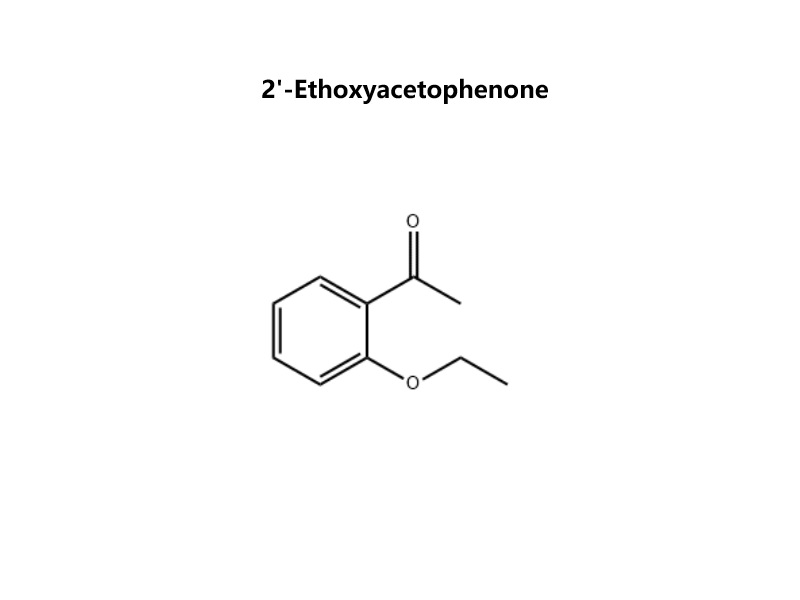
2'-Etoxiacetofenona CAS 2142-67-8 É uma cetona aromática especializada, caracterizada por um substituinte etóxi na posição orto em relação ao grupo acetil. Essa característica estrutural confere propriedades químicas e físicas distintas, tornando-a um bloco de construção privilegiado para a síntese de moléculas complexas, particularmente nos setores de aromas/fragrâncias e farmacêutico.
Detalhes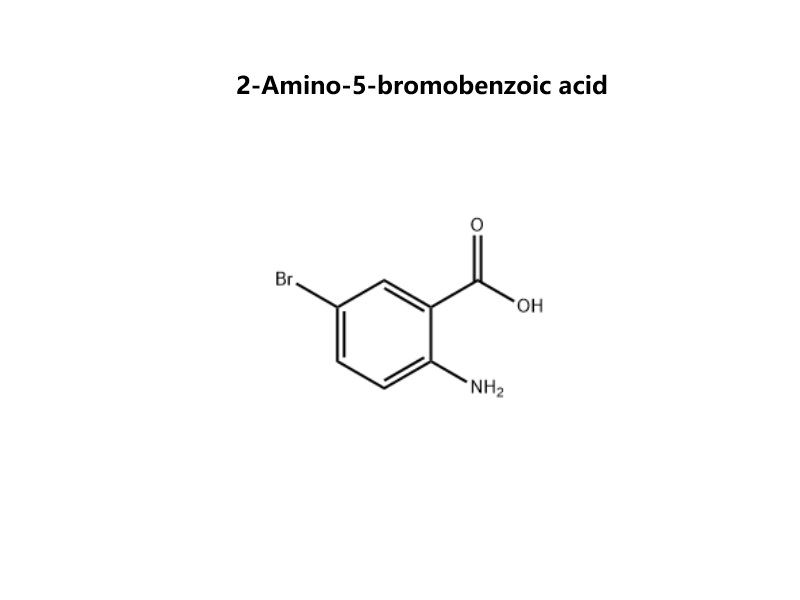
Ácido 2-amino-5-bromobenzoico CAS 5794-88-7 É um bloco de construção aromático altamente versátil que integra três grupos funcionais distintos — uma amina, um ácido carboxílico e um brometo de arila — em uma única estrutura sinteticamente valiosa. Essa multifuncionalidade o torna um intermediário crucial na química farmacêutica e de materiais avançados.
Detalhes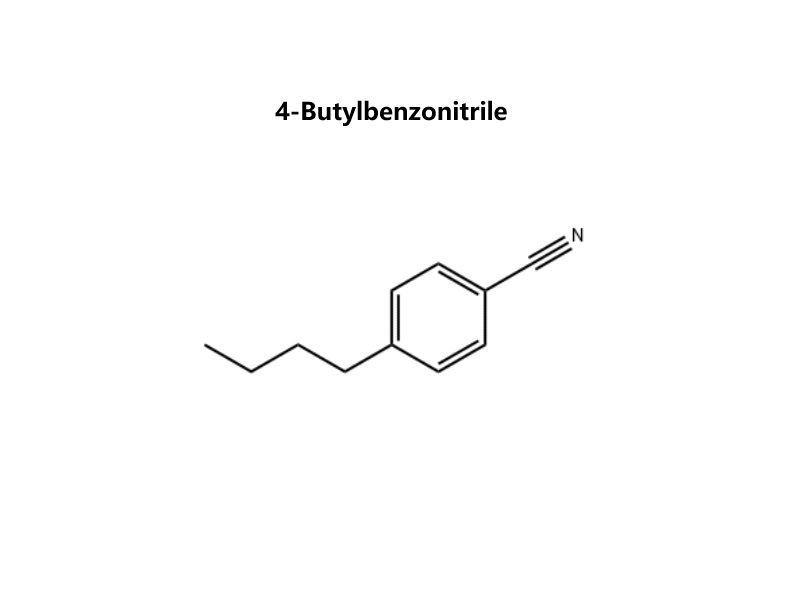
4-Butilbenzonitrila CAS 20651-73-4É um bloco de construção hidrofóbico estrategicamente projetado que combina um núcleo aromático rígido com uma cadeia alquílica linear flexível e um grupo funcional nitrila altamente versátil. Essa tríade de características o torna um intermediário excepcionalmente valioso para modular propriedades físico-químicas e viabilizar diversas vias sintéticas em pesquisas avançadas de materiais, produtos farmacêuticos e agroquímicos.
Detalhes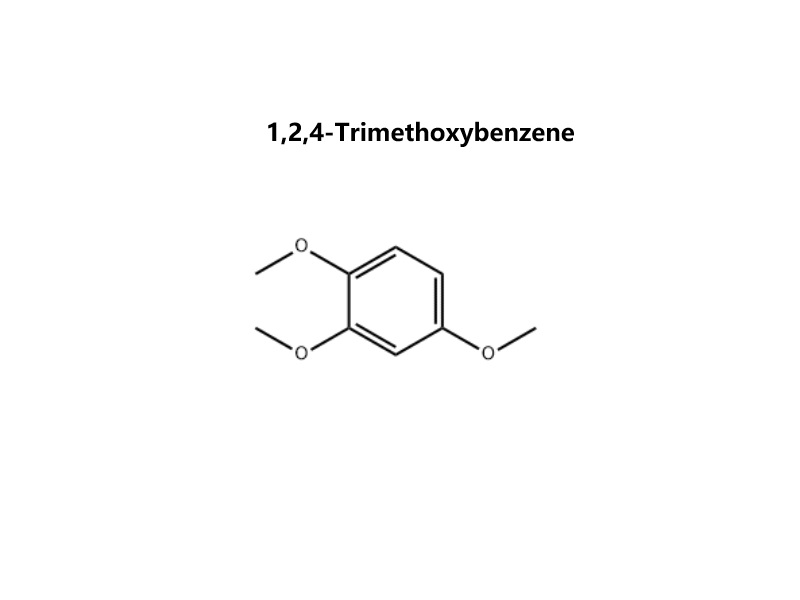
1,2,4-Trimetoxibenzeno CAS 135-77-3 É um bloco de construção aromático singularmente versátil e rico em elétrons. Seu principal valor reside em seu padrão de substituição assimétrico, porém altamente previsível, que proporciona um controle regioseletivo excepcional em síntese orgânica. Isso o torna uma estrutura privilegiada para a construção de moléculas complexas nas áreas farmacêutica, agroquímica e de materiais avançados.
Detalhes
 CONTATE-NOS
 1st Floor, No. 477, Huancheng West Road, Nanqiao Town, Fengxian District, Shanghai,China
 sales@qxscientific.com
 +86 -13701740203


 IPv6 SUPORTADO POR REDE
|
Mapa do site
|
XML |
Blogue |
política de Privacidade
IPv6 SUPORTADO POR REDE
|
Mapa do site
|
XML |
Blogue |
política de Privacidade
Deixe um recado
Scan to Wechat/Whatsapp :



 Português
 English
 Español
 Português