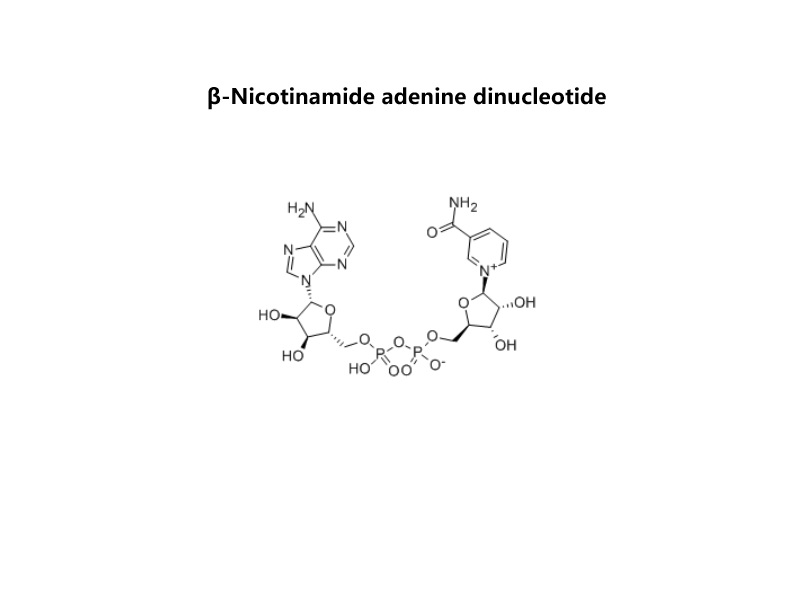
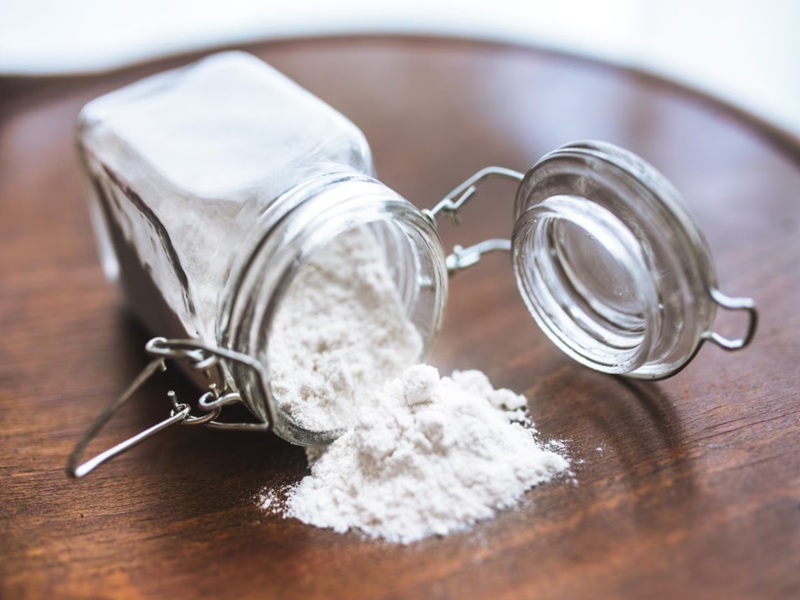
β-Nicotinamida Adenina Dinucleotídeo CAS 53-84-9 O NAD+ é uma coenzima biológica fundamental encontrada em todas as células vivas. É um dinucleotídeo constituído por dois nucleotídeos unidos pelos seus grupos fosfato: um nucleotídeo contém uma base de adenina (monofosfato de adenosina, AMP) e o outro contém uma base de nicotinamida (mononucleotídeo de nicotinamida, NMN). O "β" denota a configuração estereosseletiva da ligação glicosídica na porção nicotinamida ribosídeo, que é essencial para a atividade biológica. O NAD+ existe em dois estados redox interconversíveis: a forma oxidada (NAD+) e a forma reduzida (NADH).β-Nicotinamida Adenina Dinucleotídeoé o Coenzima redox universal e indispensável, fundamental para o metabolismo e a sinalização celular. Não é apenas um suplemento, mas sim o molécula ativa, ponto final Ela própria, servindo como co-substrato direto para centenas de enzimas que governam a produção de energia, o reparo genômico e a regulação epigenética.
Nome :
β-Nicotinamide adenine dinucleotideNº CAS. :
53-84-9MF :
C₂₁H₂₇N₇O₁₄P₂MW :
663.43Pureza :
98%Aparência :
White to light yellow, hygroscopic powder.Condição de armazenamento :
Store at -20°C or below, desiccated, and protected from light.Propriedades Químicas
Nome IUPAC: 1-[(2R,3R,4S,5R)-5-[({({[(2R,3S,4R,5R)-5-(6-aminopurin-9-il)-3,4-diidroxoxolan-2-il]metoxi}(hidroxi)fosforil)oxifosforil}oxi)metil]-3,4-diidroxoxolan-2-il]-3-carbamoilpiridin-1-ium
Nomes comuns: NAD; Coenzima I; Nucleotídeo de difosfopiridina (DPN, obsoleto)
Fórmula química: C₂₁H₂₇N₇O₁₄P₂
Peso molecular: 663,43 g/mol
Estrutura: Adenina-ribose-fosfato-fosfato-ribose-nicotinamida. O principal grupo funcional é o anel piridínio da nicotinamida, que aceita um íon hidreto (H⁻) durante a redução para formar NADH.
Aparência: Pó higroscópico, de cor branca a amarelo claro.
Solubilidade: Livremente solúvel em água. Praticamente insolúvel na maioria dos solventes orgânicos, como acetona ou etanol.
Estabilidade: Altamente instável em solução. Degrada-se com calor, luz e pH extremo. Em soluções aquosas neutras, sofre hidrólise gradual, especialmente em temperaturas mais elevadas. A forma sólida é mais estável, mas permanece higroscópica e sensível ao armazenamento prolongado.
Máximos de Absorção:
NAD+: 259 nm (característica da adenina)
NADH: 259 nm e 340 nm (o pico de 340 nm é usado para monitorar espectrofotometricamente as reações de redução).
Potencial redox: O par redox NAD⁺/NADH possui um potencial de redução padrão (E°') de -0,32 V, o que o torna um forte agente redutor biológico.
Atividades Biológicas
O NAD+ não é apenas uma molécula, mas um elemento central. moeda redox e substrato de sinalizaçãopara a célula.
Função principal: Cofator redox
Catabolismo: Serve como um elemento essencial aceitador de hidreto (H⁻) Nas vias catabólicas (por exemplo, glicólise, ciclo do TCA, β-oxidação de ácidos graxos), o NADH é reduzido a ATP. Esse NADH, então, doa elétrons para a cadeia de transporte de elétrons, impulsionando a síntese de ATP.
Anabolismo: Atua como um doador de hidretoem biossínteses redutivas (ex.: síntese de ácidos graxos e esteroides).
Substrato de sinalização para enzimas consumidoras de NAD+:
Sirtuínas (SIRT1-7): O NAD+ é um co-substrato obrigatório para essas enzimas desacetilases/desacilases. As sirtuínas regulam silenciamento gênico, reparo do DNA, controle metabólico e envelhecimento.Sua atividade está diretamente relacionada à disponibilidade de NAD+ celular.
Polimerases de poli(ADP-ribose) (PARPs): Consome NAD+ para sintetizar cadeias de poli(ADP-ribose) (PAR) em proteínas-alvo, principalmente envolvidas na Detecção e reparo de danos ao DNA.
CD38/CD157: Principais ectoenzimas consumidoras de NAD+ que geram segundos mensageiros como o ADP-ribose cíclico (cADPR), regulando Sinalização de cálcio e função imunológica. Sua atividade aumenta com a idade, contribuindo para a diminuição do NAD+.
Papel no envelhecimento: Os níveis celulares de NAD+ diminuem significativamente com a idade em diversos tecidos. Acredita-se que essa diminuição contribua para patologias relacionadas à idade, prejudicando a função mitocondrial, o reparo do DNA e a resistência ao estresse. Restaurar os níveis de NAD+ é um dos principais focos da pesquisa sobre envelhecimento.
Biossíntese
As células mantêm os níveis de NAD+ através de diversas vias de biossíntese de novo e de recuperação:
1. Via de síntese de novo (a partir do triptofano): A via metabólica mais longa, começando com o aminoácido triptofano (independente da vitamina B3).
2. Via de Preiss-Handler (a partir do ácido nicotínico, NA): NA → NaMN → NaAD → NAD+.
3. Vias de Salvamento (Principais em Mamíferos):
A partir da nicotinamida (NAM): O NAM é reciclado através da enzima limitante da taxa. NAMPT para produzir NMN, que é então convertido em NAD+ pela NMNAT.
A partir de nicotinamida ribosídeo (NR): O NR é fosforilado pelas quinases NR em NMN e, em seguida, em NAD+.
A partir do ribosídeo do ácido nicotínico (NAR): Uma rota de salvamento menos comum.
Aplicações

Principais vantagens e benefícios
1. Cofator direto e imediato para ensaios enzimáticos críticos
Benefício: Fornece o substrato definitivo e não modificado Necessário para a atividade in vitro de desidrogenases, redutases, sirtuínas e PARPs. Seu uso garante a validade e a reprodutibilidade do ensaio, pois é a molécula reconhecida nativamente por essas enzimas.
Cenário de aplicação: Em descoberta de medicamentos para oncologiaPesquisadores estão triando bibliotecas de compostos contra a enzima PARP-1 purificada. A alta pureza do NAD+ é essencial para o ensaio, que visa identificar inibidores que bloqueiam a atividade da PARP competindo pelo sítio de ligação do NAD+, um mecanismo utilizado por medicamentos oncológicos inibidores da PARP, como o olaparibe.
2. O padrão bioquímico definitivo para pesquisa metabólica
Benefício: Serve como o composto de referência absolutoPara quantificar o fluxo metabólico, a medição da razão NAD+/NADH é um indicador crucial do estado redox celular e da saúde mitocondrial.
Cenário de aplicação: Uma equipe de pesquisa estudando disfunção mitocondrial em doenças neurodegenerativasUtiliza ensaios de ciclagem enzimática precisos com NAD+ como reagente principal. Mede a proporção NAD+/NADH em linhagens de células neuronais tratadas com compostos experimentais para determinar se a terapia pode restaurar um equilíbrio redox mais jovem e energeticamente favorável.
3. Pureza incomparável para estudos de sinalização
Benefício: É necessário NAD+ de alta pureza e verificado enzimaticamente para estudar suas funções de sinalização não redox, sem artefatos provenientes de contaminantes que possam ativar ou inibir enzimas sensíveis como sirtuínas e CD38.
Cenário de aplicação: Em um Estudo sobre restrição calórica e longevidadeCientistas utilizam NAD+ ultrapuro para demonstrar a ativação direta da atividade da desacetilase SIRT1 em cultura de células. O NAD+ livre de contaminantes é crucial para comprovar conclusivamente que o aumento dos níveis de NAD+ é o elo mecânico entre a detecção de nutrientes e as alterações na expressão gênica.
4. Padrão Ouro para Kits de Diagnóstico In Vitro (IVD)
Benefício: Sua cinética de reação bem definida com desidrogenases específicas a torna a componente central confiável em kits de diagnóstico clínico (por exemplo, para medir lactato, etanol ou glicerol).
Cenário de aplicação: Em um laboratório clínico hospitalarUm analisador automatizado realiza um teste de lactato desidrogenase (LDH) no soro do paciente para avaliar danos teciduais. O teste utiliza um reagente de NAD+ estável e formulado para catalisar a conversão de lactato em piruvato, gerando um sinal mensurável proporcional à concentração de LDH.
β-Nicotinamida Adenina Dinucleotídeo (NAD+, CAS 53-84-9) é o moeda bioquímica ativa e não negociável da célulaSua principal vantagem não reside em ser um suplemento alimentar direto, mas sim em ser... Reagente essencial insubstituível para a ciência e o diagnóstico.Para pesquisadores, é a ferramenta padrão ouro para investigar o metabolismo e a enzimologia. Para fabricantes de diagnósticos, é o componente crítico e validado de ensaios clínicos. Embora precursores de NAD+, como NMN e NR, sejam superiores para suplementação in vivo devido à sua biodisponibilidade, o próprio NAD+ permanece a molécula de referência definitiva e o efetor direto da função celular. Seu valor reside em sua atividade biológica definitiva e seu papel como padrão essencial contra o qual todos os precursores são medidos.
Perguntas frequentes
Q1: Por que a forma "β-" é especificada e isso importa?
A: Absolutamente. O "β-" refere-se à orientação tridimensional específica da ligação que conecta a nicotinamida ao açúcar ribose. Esta é a única forma estereoquímica reconhecida e utilizada pelas enzimas humanasO anômero alfa (α-) é biologicamente inativo. Para pesquisas confiáveis ou eficácia do produto, é necessário verificar se o NAD+ de alta qualidade está na forma β pura.
Q2: Posso tomar suplementos orais de NAD+ para aumentar meus níveis celulares?
A: A suplementação oral direta de NAD+ é considerada altamente ineficiente. O NAD+ é uma molécula grande e carregada que é rapidamente degradada no sistema digestivo por enzimas e bactérias intestinais antes de poder ser absorvida intacta. A estratégia estabelecida é suplementar com precursores como... NMN (mononucleotídeo de nicotinamida) ou NR (ribosídeo de nicotinamida), que são menores, mais estáveis e se convertem eficientemente em NAD+ dentro das células.
Q3: Quais são os requisitos críticos de armazenamento e manuseio?
UM: O NAD+ é notoriamente instável.Para o sólido:
Conservar a -20°C ou menos. Desidratado e protegido da luz.
Para soluções: Prepare sempre com ingredientes frescos. Em solução tampão fria com pH neutro (por exemplo, tampão Tris ou fosfato 50-100 mM, pH ~7,5). Não congele e descongele as soluções. Use imediatamente ou armazene a 0-4°C por apenas algumas horas.
Nunca utilize autoclave ou aqueça soluções.
Q4: Como posso verificar a pureza e a atividade do NAD+?
A: Solicite um Certificado de Análise (CoA)do fornecedor. Indicadores-chave de qualidade:
Pureza por HPLC: ≥95% para pesquisa, ≥98% para aplicações críticas.
Ensaio de atividade enzimática: O padrão ouro. A pureza é confirmada pela sua capacidade de atuar como cofator em uma reação de desidrogenase padronizada (por exemplo, com álcool desidrogenase), medida pelo aumento específico da absorbância a 340 nm após a redução a NADH.
Teor de água (Karl Fischer): Deve ser baixo (<2%) devido à higroscopicidade.
Q5: Qual a diferença entre os suplementos de NAD+ e NADH?
A: Eles representam diferentes estados de oxidação e têm diferentes mecanismos propostos.
NAD+: A forma oxidada. Em suplementos (normalmente sublinguais/IV), propõe-se que forneça o substrato de sinalização bruto para sirtuínas e PARPs.
NADH: A forma reduzida. Comercializada para suporte energético celular rápido, pois é o doador direto de elétrons para a síntese de ATP. É extremamente instável em ácido gástrico.
Nenhum dos dois é absorvido por via oral de forma eficiente em comparação com precursores como NMN/NR.
Q6: O NAD+ é utilizado em terapia intravenosa? Existem evidências que comprovem sua eficácia?
UM: Sim, é um componente de alguns soros intravenosos para "bem-estar" ou "antienvelhecimento". Os defensores alegam que a administração direta na corrente sanguínea evita a degradação intestinal, aumentando potencialmente os níveis de NAD+ no plasma. Embora plausível do ponto de vista mecanístico, Atualmente, faltam ensaios clínicos robustos e revisados por pares que demonstrem benefícios significativos e sustentados em nível tecidual com a administração intravenosa de NAD+.Continua sendo uma área de relatos anedóticos e pesquisas em andamento.
Q7: Qual é a principal fonte comercial de NAD+?
A: A maior parte do NAD+ comercial é produzida através de fermentaçãoUtilizando leveduras ou cepas bacterianas especialmente modificadas, a produção biológica garante a estereoquímica correta (forma β). A síntese química é possível, mas mais complexa e dispendiosa para a produção em larga escala do isômero correto.
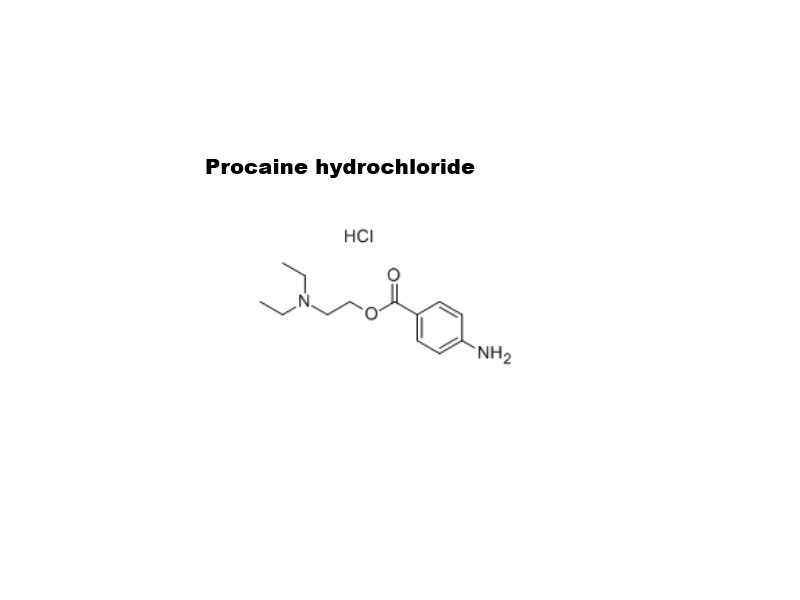
Cloridrato de Procaína CAS 51-05-8 é o sal cloridrato de procaína solúvel em água. É a formulação específica usada na medicina clínica, comercializada sob a famosa marca Procaína.NovocaínaEmbora seu uso na prática clínica tenha diminuído, continua sendo um medicamento historicamente fundamental e ainda é empregado em contextos médicos e terapêuticos específicos.
Detalhes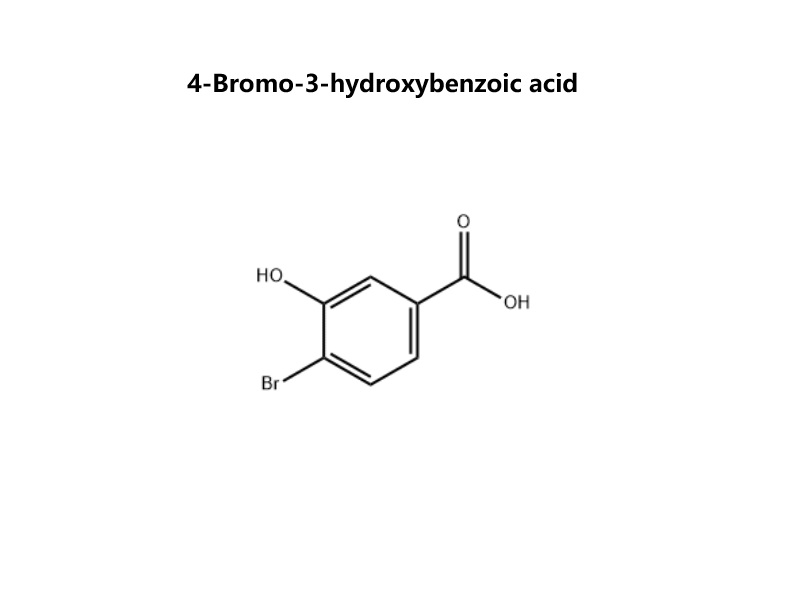
Ácido 4-bromo-3-hidroxibenzoico CAS 14348-38-0 é um Bloco de construção aromático multifuncional premium Projetada para síntese orientada à complexidade. Seu principal valor reside no posicionamento estratégico de três grupos funcionais distintos e ortogonalmente reativos em um anel benzênico, tornando-a uma ferramenta indispensável para a construção molecular convergente em pesquisa e desenvolvimento avançados.
Detalhes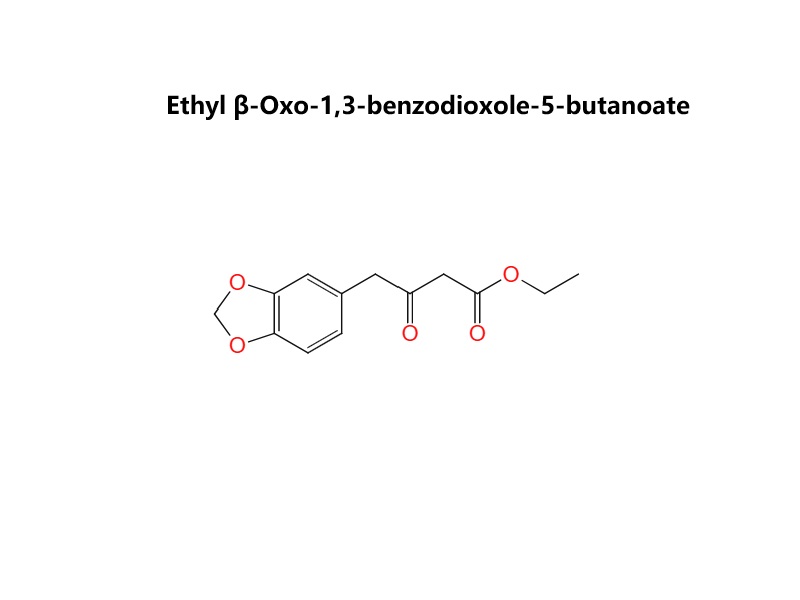
β-Oxo-1,3-benzodioxol-5-butanoato de etila CAS 31127-23-8 é um Derivado β-cetoéster apresentando um Sistema aromático 1,3-benzodioxol (metilenodioxifenil)Estruturalmente, consiste em um anel benzodioxol ligado por uma cadeia de três carbonos a um grupo funcional etil β-cetoéster (-CO-CH₂-COOEt). Isso o torna um bloco de construção bifuncional versátil Para síntese orgânica, combinando as propriedades eletrônicas do grupo benzodioxol com a alta reatividade de um β-cetoéster.
Detalhes![4-Nitrophenyl 3-(Benzo[d][1,3]dioxol-5-yl)-2-methylpropanoate](https://pt.qixiolivetol.com/storage/uploads/images/202604/17/1776427287_qZy87IjHSQ.jpg)
4-Nitrofenil 3-(Benzo[d][1,3]dioxol-5-il)-2-metilpropanoato é um agente acilante pré-ativado e quiralmente definido que combina um farmacóforo benzo[1,3]dioxol (piperonil) metabolicamente estável com a reatividade excepcional de um éster 4-nitrofenil. Permite a introdução eficiente e sem racemização de uma porção ácida quiral complexa em condições brandas, tornando-se indispensável para síntese química avançada e bioconjugação.4-Nitrofenil 3-(Benzo[d][1,3]dioxol-5-il)-2-metilpropanoato É um éster especial projetado como um intermediário bioquímico ou sintético reativo. Sua estrutura combina estrategicamente três unidades principais:(1)A Ácido 3-(benzo[1,3]dioxol-5-il)-2-metilpropanoico fração (ácido quiral substituído por piperonila).(2)A 4-nitrofenil éster saindo do grupo.Esse design o torna um éster ativado, onde o 4-nitrofenol é um excelente grupo de saída, facilitando reações de transferência de acila eficientes em condições brandas.
Detalhes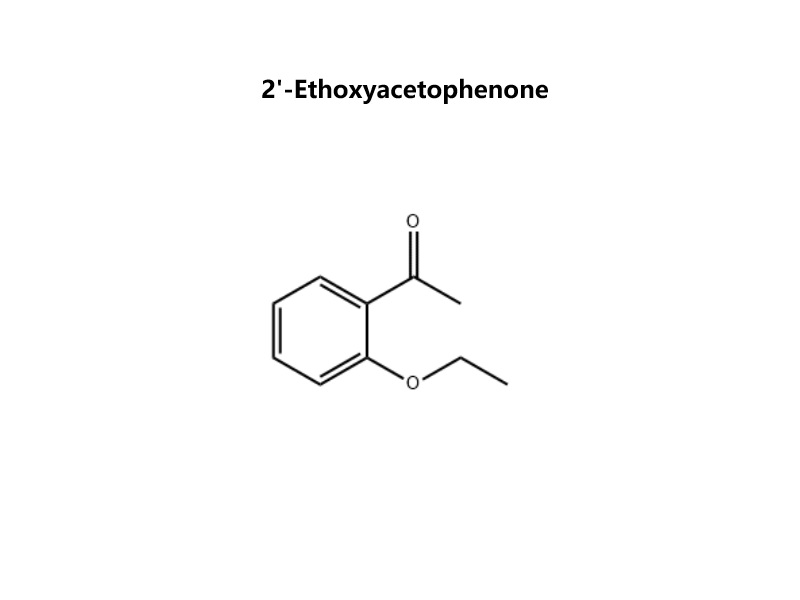
2'-Etoxiacetofenona CAS 2142-67-8 É uma cetona aromática especializada, caracterizada por um substituinte etóxi na posição orto em relação ao grupo acetil. Essa característica estrutural confere propriedades químicas e físicas distintas, tornando-a um bloco de construção privilegiado para a síntese de moléculas complexas, particularmente nos setores de aromas/fragrâncias e farmacêutico.
Detalhes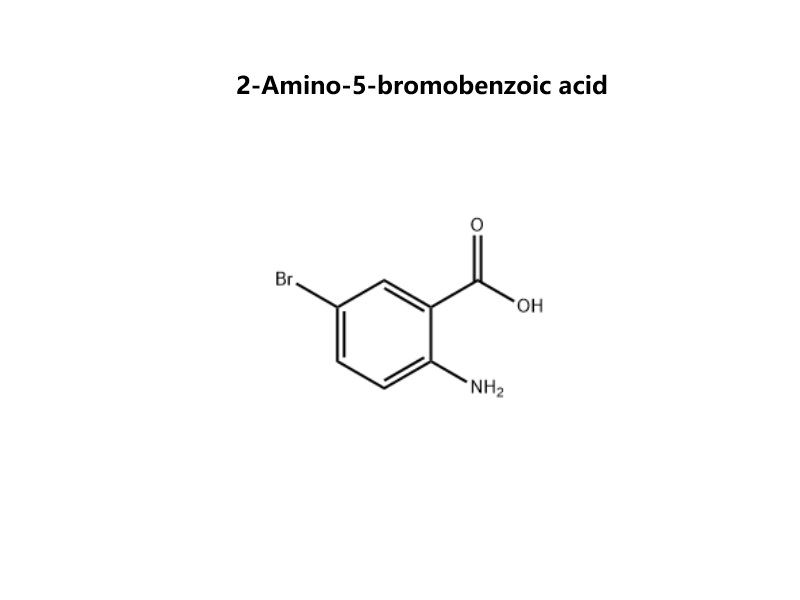
Ácido 2-amino-5-bromobenzoico CAS 5794-88-7 É um bloco de construção aromático altamente versátil que integra três grupos funcionais distintos — uma amina, um ácido carboxílico e um brometo de arila — em uma única estrutura sinteticamente valiosa. Essa multifuncionalidade o torna um intermediário crucial na química farmacêutica e de materiais avançados.
Detalhes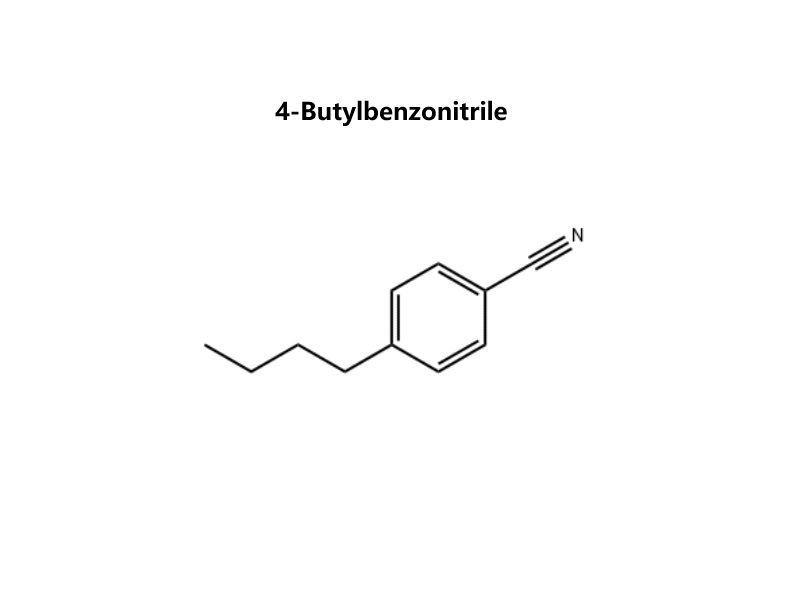
4-Butilbenzonitrila CAS 20651-73-4É um bloco de construção hidrofóbico estrategicamente projetado que combina um núcleo aromático rígido com uma cadeia alquílica linear flexível e um grupo funcional nitrila altamente versátil. Essa tríade de características o torna um intermediário excepcionalmente valioso para modular propriedades físico-químicas e viabilizar diversas vias sintéticas em pesquisas avançadas de materiais, produtos farmacêuticos e agroquímicos.
Detalhes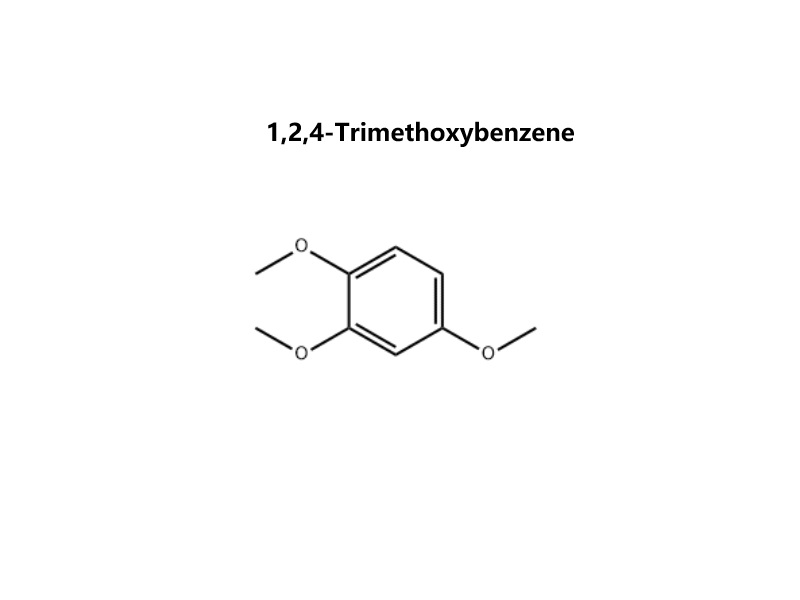
1,2,4-Trimetoxibenzeno CAS 135-77-3 É um bloco de construção aromático singularmente versátil e rico em elétrons. Seu principal valor reside em seu padrão de substituição assimétrico, porém altamente previsível, que proporciona um controle regioseletivo excepcional em síntese orgânica. Isso o torna uma estrutura privilegiada para a construção de moléculas complexas nas áreas farmacêutica, agroquímica e de materiais avançados.
Detalhes
 CONTATE-NOS
 1st Floor, No. 477, Huancheng West Road, Nanqiao Town, Fengxian District, Shanghai,China
 sales@qxscientific.com
 +86 -13701740203


 IPv6 SUPORTADO POR REDE
|
Mapa do site
|
XML |
Blogue |
política de Privacidade
IPv6 SUPORTADO POR REDE
|
Mapa do site
|
XML |
Blogue |
política de Privacidade
Deixe um recado
Scan to Wechat/Whatsapp :



 Português
 English
 Español
 Português