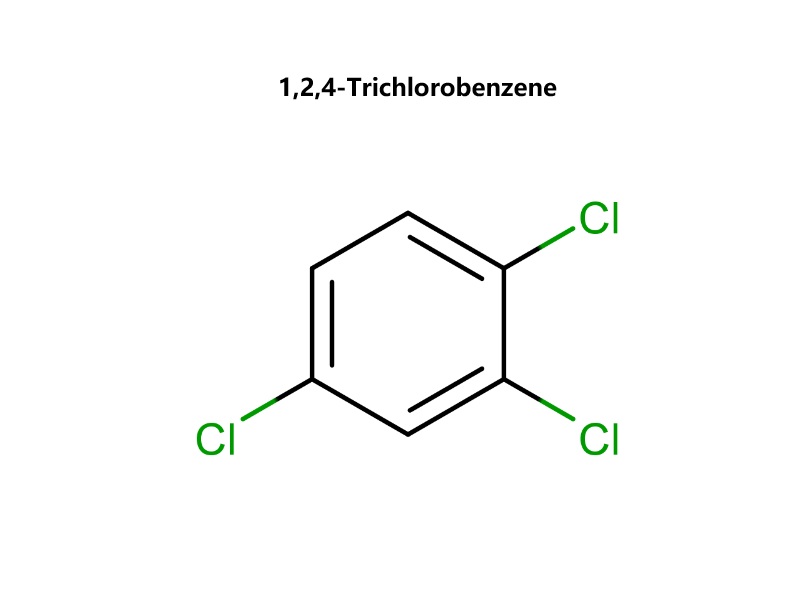
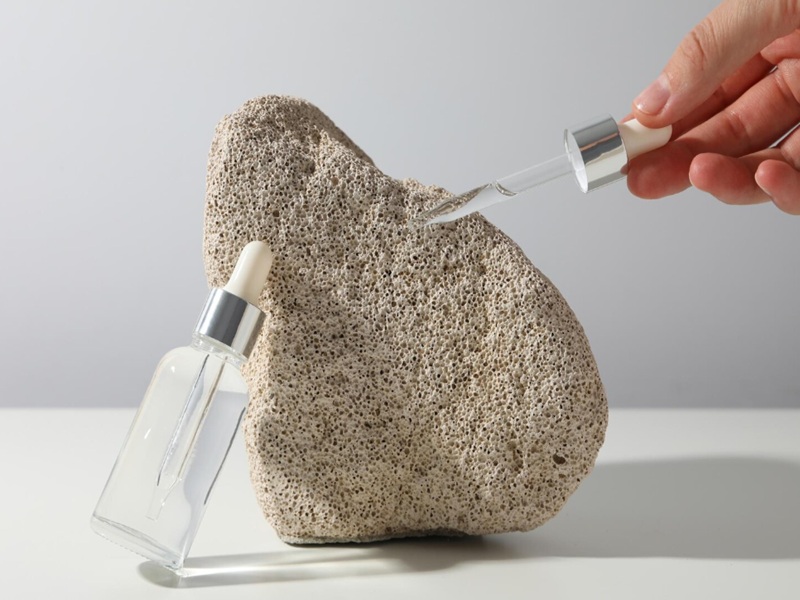
1,2,4-Triclorobenzeno CAS 120-82-1 O 1,2,4-triclorobenzeno (1,2,4-TCB) é um hidrocarboneto aromático constituído por um anel benzênico substituído por três átomos de cloro nas posições 1, 2 e 4. É um dos três isômeros do triclorobenzeno e o mais importante comercialmente e termicamente estável entre eles. É um solvente clorado e intermediário químico com um odor aromático característico e forte. Solvente aromático clorado de alto desempenho e alto ponto de ebulição e intermediárioValorizado por sua excepcional estabilidade térmica e poderosa capacidade de solvatação, seu principal benefício reside na viabilização de processos industriais que exigem um meio robusto e inerte sob condições químicas e de temperatura exigentes, onde solventes comuns falham.
Nome :
1,2,4-TrichlorobenzeneNº CAS. :
120-82-1MF :
C₆H₃Cl₃MW :
181.45Pureza :
99%Aparência :
Colorless to pale yellow, clear, oily liquid.Condição de armazenamento :
Store in a cool, well-ventilated area away from heat and ignition sources.Propriedades Químicas
Nome IUPAC:1,2,4-Triclorobenzeno
Fórmula química: C₆H₃Cl₃
Peso molecular: 181,45 g/mol
Estrutura: Um anel benzênico com átomos de cloro nos carbonos 1, 2 e 4.
Aparência: Líquido oleoso, transparente, de cor incolor a amarelo pálido.
Ponto de fusão: 17 °C (62,6 °F) - geralmente um líquido à temperatura ambiente.
Ponto de ebulição: 213 °C (415,4 °F)
Densidade: 1,46 g/cm³ a 20 °C (mais denso que a água)
Pressão de vapor:0,3 mmHg a 20 °C
Solubilidade: Teor muito baixo em água (aproximadamente 30 mg/L a 25 °C). Miscível com a maioria dos solventes orgânicos comuns (ex.: etanol, éter dietílico, benzeno).
Estabilidade: Quimicamente estável em condições normais. Resistente a ácidos e álcalis fortes. Pode ser oxidado em condições extremas. Não polimeriza.
Inflamabilidade: Líquido combustível com ponto de fulgor de 110 °C (230 °F).
Reatividade chave: Os átomos de cloro, especialmente o da posição 4 (para em relação aos dois cloros), podem ser deslocados por nucleófilos sob condições extremas (alta temperatura, base forte ou catálise), tornando-o um intermediário útil. Ele sofre substituição eletrofílica aromática com dificuldade devido aos substituintes de cloro desativadores.
Atividades Biológicas
Toxicidade: Classificado como nocivo. A exposição aguda afeta principalmente o sistema nervoso central (SNC), causando sintomas como tontura, dor de cabeça e falta de coordenação. Também é um Irritante para a pele e os olhos..
Efeitos crônicos: A exposição prolongada pode causar danos ao fígado e aos rins. É considerada uma risco ocupacional potencialpara esses órgãos.
Destino ambiental e ecotoxicidade: Altamente persistente no meio ambiente devido à sua estabilidade química e baixa biodegradabilidade. É bioacumulativoe Tóxico para a vida aquática.Com efeitos duradouros. Adsorve-se fortemente ao solo e aos sedimentos.
Carcinogenicidade: Não classificável quanto à carcinogenicidade para humanos (Grupo 3) pela IARC. No entanto, alguns estudos em animais demonstraram evidências de tumorigenicidade.
Metabolismo: Nos mamíferos, é metabolizado principalmente no fígado através da oxidação mediada pelo citocromo P450, resultando em derivados fenólicos que podem ser conjugados e excretados.
Biossíntese
Ocorrência natural: Não se sabe que seja produzido por processos biológicos naturais. É um composto xenobiótico (produzido pelo homem).
Produção Industrial: Produzido exclusivamente por síntese química.
1. Cloração do benzeno ou monoclorobenzeno: O método principal envolve a cloração direta do benzeno ou monoclorobenzeno na presença de um catalisador ácido de Lewis (por exemplo, cloreto de ferro(III)). A reação produz uma mistura de benzenos di-, tri- e com outros graus de cloração, que são separados por destilação fracionada.
2. Separação de Isômeros: A fração bruta de triclorobenzeno é destilada para isolar o isômero 1,2,4 dos isômeros 1,2,3 e 1,3,5, menos estáveis.
Aplicações
Principais vantagens e benefícios
1. Estabilidade e inércia excepcionais em altas temperaturas
Benefício: Mantém a integridade química e o poder de solvatação em temperaturas superiores a 200 °C, com um ponto de inflamação elevado (110 °C) que aumenta a segurança em processos a quente.
Cenário de aplicação: Como um Fluido de transferência de calor de alta temperatura em um sistema de circuito fechado para fabricação química, Ele transporta energia térmica para os reatores de forma eficiente, sem se decompor ou formar gomas, garantindo um controle consistente do processo e uma longa vida útil do fluido.
2. Solvência poderosa e seletiva para formulações exigentes
Benefício: Dissolve de forma excelente uma ampla gama de materiais não polares a moderadamente polares (ceras, resinas, corantes, enxofre), sendo imiscível em água, o que permite separações de fase limpas.
Cenário de aplicação: No Tingimento especializado de fibras de poliéster de alto desempenho para airbags automotivos. O 1,2,4-TCB atua como solvente carreador sob pressão a 120-130°C. Ele incha a fibra, permitindo uma penetração profunda e uniforme do corante para atingir os padrões críticos de solidez da cor e durabilidade exigidos.
3. Propriedades dielétricas superiores para aplicações elétricas
Benefício: Possui alta rigidez dielétrica e resistividade, o que o torna um fluido isolante e refrigerante eficaz, não inflamável em condições normais de operação.
Cenário de aplicação: Usado como um Fluido de impregnação dielétrica em emendas de cabos de energia subterrâneos de alta tensão. Sua fluidez permite preencher espaços vazios, enquanto suas propriedades elétricas previnem a descarga corona e dissipam o calor, prolongando significativamente a vida útil da emenda em redes de distribuição exigentes.
4. Intermediário eficaz para síntese
Benefício: Os átomos de cloro, particularmente o da posição 4, podem ser deslocados seletivamente sob condições controladas para sintetizar compostos aromáticos clorados mais complexos.
Cenário de aplicação: Serve como material de partida fundamental no Síntese em múltiplas etapas de herbicidas e agroquímicos avançados, onde seu padrão de substituição específico fornece a estrutura molecular necessária para a atividade biológica e a estabilidade metabólica.
1,2,4-Triclorobenzeno (CAS 120-82-1)é um Produtos químicos especializados cujas vantagens são definidas por um conjunto específico de propriedades de desempenho—alto ponto de ebulição, estabilidade térmica e potente poder de solvência.Seu uso se justifica principalmente em aplicações industriais de nicho, muitas vezes legadas onde seu desempenho técnico supera seus significativos passivos ambientais, de saúde e regulatórios. Embora alternativas mais seguras e sustentáveis, como óleos de silicone ou ésteres especializados, o tenham substituído em muitas áreas, o 1,2,4-TCB permanece relevante em processos de sistema fechado cuidadosamente controlados, onde seu perfil físico-químico único é difícil de replicar. Para engenheiros e químicos, ele representa uma ferramenta poderosa, porém limitada, que exige uma análise rigorosa de custo-benefício, incluindo conformidade e descarte ao longo do ciclo de vida.
Perguntas frequentes
Q1: Quais são as principais vantagens do 1,2,4-TCB como solvente ou fluido?
A: Suas principais vantagens são suas Alto ponto de ebulição (213°C), inércia química, excelente poder de solvatação para materiais não polares e boa rigidez dielétrica. Essas características tornam o produto adequado para processos de alta temperatura e aplicações elétricas especializadas onde solventes comuns não são eficazes.
Q2: Como deve ser armazenado e manuseado com segurança?
A: Armazene em um Local fresco e bem ventilado, longe de fontes de calor e ignição. Utilize recipientes de aço inoxidável ou aço revestido. Mantenha-os bem fechados. Manuseie com cuidado. EPI adequadoLuvas resistentes a produtos químicos (nitrilo, Viton), óculos de proteção e respiradores para vapores, caso a ventilação seja inadequada. Aterre os recipientes para evitar descargas eletrostáticas.
Q3: É compatível com metais e plásticos comuns?
A: É compatível com inoxidável aço, vidro e polímeros fluorados (ex.: Teflon, Viton). Pode atacar alguns elastômeros e plásticoscomo o cloreto de polivinila (PVC) ou o polietileno, que podem causar inchaço ou degradação. Sempre realize testes de compatibilidade.
Q4: Quais são as principais considerações regulamentares e de conformidade?
A: É rigorosamente regulamentado devido ao seu perfil de Persistência, Bioacumulação e Toxicidade (PBT).
REACH (UE): Sujeito a autorização; seu uso é restrito.
EPA (EUA): Regulamentado pela TSCA. Listado como poluente prioritário pela Lei da Água Limpa.
Transporte: Classificado como um Perigo ambiental (poluente marinho) e Prejudicialpara transporte (UN 2321).
Descarte: Deve ser tratado como resíduos perigososA incineração em um incinerador de resíduos perigosos equipado com lavadores de gases ácidos é o método típico.
Q5: Quais são as principais alternativas e por que o 1,2,4-TCB ainda poderia ser escolhido?
A:
Alternativas aos solventes: Solventes de hidrocarbonetos com ponto de ebulição mais elevado (por exemplo, nafta aromática pesada) ou solventes à base de ésteres. 1,2,4-TCB é escolhido Quando um poder de solvatação superior para corantes/polímeros específicos ou uma maior estabilidade térmica são essenciais.
Alternativas aos fluidos dielétricos: Óleos de silicone, perfluorocarbonos ou fluidos biodegradáveis à base de ésteres. O 1,2,4-TCB ainda pode ser usado. em equipamentos antigos ou onde a combinação específica de constante dielétrica, condutividade térmica e custo não encontra paralelo para uma aplicação de nicho.
Q6: Quais métodos analíticos são utilizados para o controle de qualidade e o monitoramento ambiental?
A: Os métodos comuns incluem:
Cromatografia gasosa (GC) Com detecção por captura de elétrons (ECD) ou espectrometria de massa (MS) para análise de pureza e traços.
Cromatografia Líquida de Alta Eficiência (HPLC) Com detecção UV.
Para amostras ambientais (água, solo), os métodos 8121 ou 8270 da EPA são padrão.
Q7: Pode ser reciclado ou recuperado?
UM: Sim, por meio de destilação. O solvente ou fluido dielétrico usado pode ser purificado por destilação fracionada para remover impurezas e produtos de degradação. Isso é um imperativo tanto econômico quanto ambiental para reduzir o desperdício e o uso de matéria-prima virgem, mas deve ser feito em conformidade com todas as normas de resíduos perigosos.
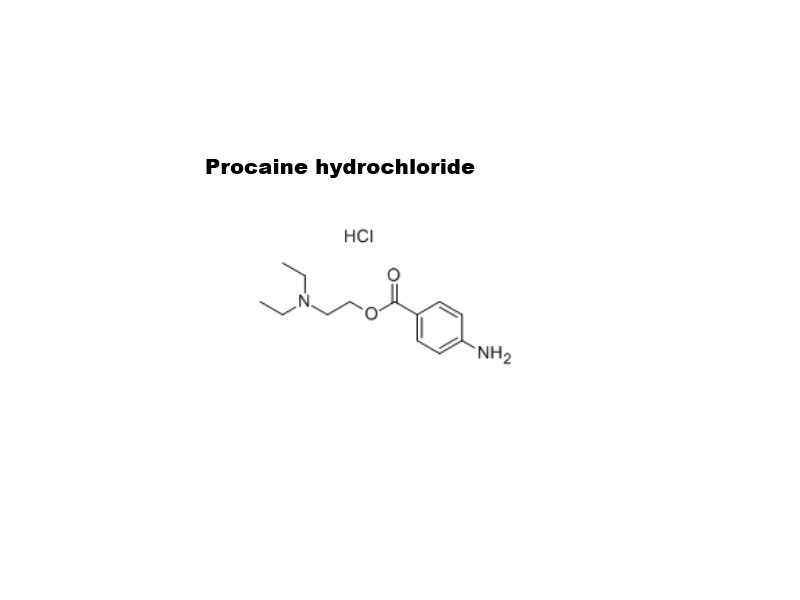
Cloridrato de Procaína CAS 51-05-8 é o sal cloridrato de procaína solúvel em água. É a formulação específica usada na medicina clínica, comercializada sob a famosa marca Procaína.NovocaínaEmbora seu uso na prática clínica tenha diminuído, continua sendo um medicamento historicamente fundamental e ainda é empregado em contextos médicos e terapêuticos específicos.
Detalhes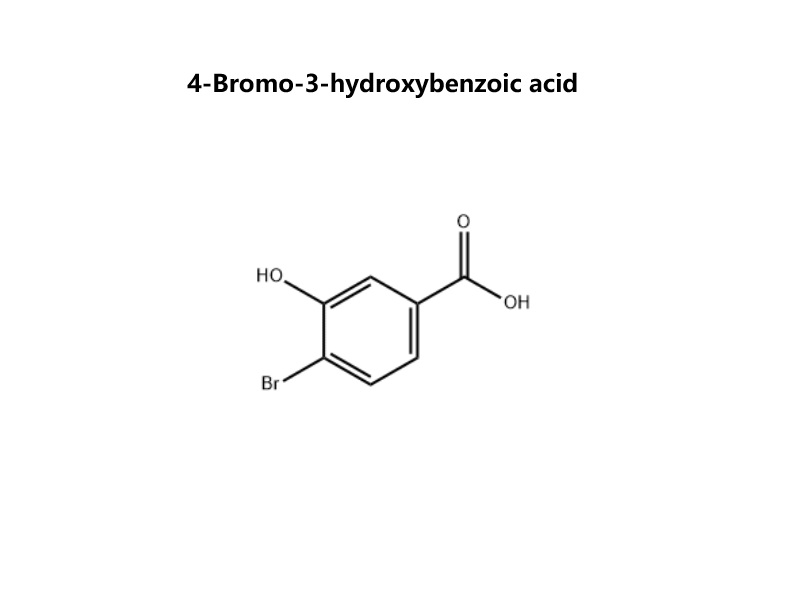
Ácido 4-bromo-3-hidroxibenzoico CAS 14348-38-0 é um Bloco de construção aromático multifuncional premium Projetada para síntese orientada à complexidade. Seu principal valor reside no posicionamento estratégico de três grupos funcionais distintos e ortogonalmente reativos em um anel benzênico, tornando-a uma ferramenta indispensável para a construção molecular convergente em pesquisa e desenvolvimento avançados.
Detalhes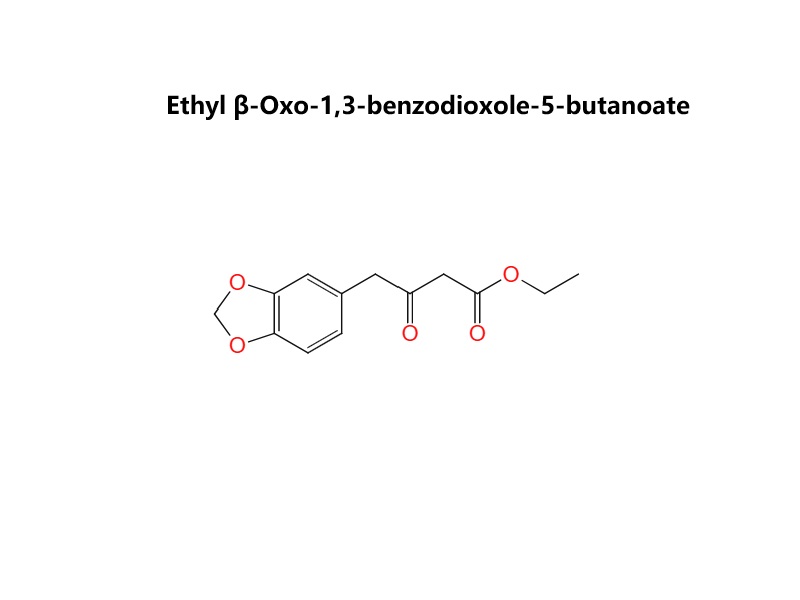
β-Oxo-1,3-benzodioxol-5-butanoato de etila CAS 31127-23-8 é um Derivado β-cetoéster apresentando um Sistema aromático 1,3-benzodioxol (metilenodioxifenil)Estruturalmente, consiste em um anel benzodioxol ligado por uma cadeia de três carbonos a um grupo funcional etil β-cetoéster (-CO-CH₂-COOEt). Isso o torna um bloco de construção bifuncional versátil Para síntese orgânica, combinando as propriedades eletrônicas do grupo benzodioxol com a alta reatividade de um β-cetoéster.
Detalhes![4-Nitrophenyl 3-(Benzo[d][1,3]dioxol-5-yl)-2-methylpropanoate](https://pt.qixiolivetol.com/storage/uploads/images/202604/17/1776427287_qZy87IjHSQ.jpg)
4-Nitrofenil 3-(Benzo[d][1,3]dioxol-5-il)-2-metilpropanoato é um agente acilante pré-ativado e quiralmente definido que combina um farmacóforo benzo[1,3]dioxol (piperonil) metabolicamente estável com a reatividade excepcional de um éster 4-nitrofenil. Permite a introdução eficiente e sem racemização de uma porção ácida quiral complexa em condições brandas, tornando-se indispensável para síntese química avançada e bioconjugação.4-Nitrofenil 3-(Benzo[d][1,3]dioxol-5-il)-2-metilpropanoato É um éster especial projetado como um intermediário bioquímico ou sintético reativo. Sua estrutura combina estrategicamente três unidades principais:(1)A Ácido 3-(benzo[1,3]dioxol-5-il)-2-metilpropanoico fração (ácido quiral substituído por piperonila).(2)A 4-nitrofenil éster saindo do grupo.Esse design o torna um éster ativado, onde o 4-nitrofenol é um excelente grupo de saída, facilitando reações de transferência de acila eficientes em condições brandas.
Detalhes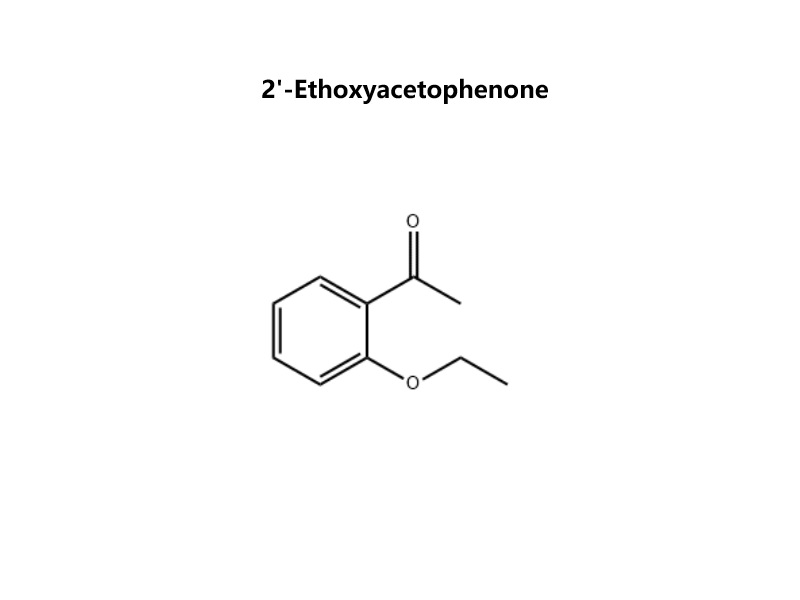
2'-Etoxiacetofenona CAS 2142-67-8 É uma cetona aromática especializada, caracterizada por um substituinte etóxi na posição orto em relação ao grupo acetil. Essa característica estrutural confere propriedades químicas e físicas distintas, tornando-a um bloco de construção privilegiado para a síntese de moléculas complexas, particularmente nos setores de aromas/fragrâncias e farmacêutico.
Detalhes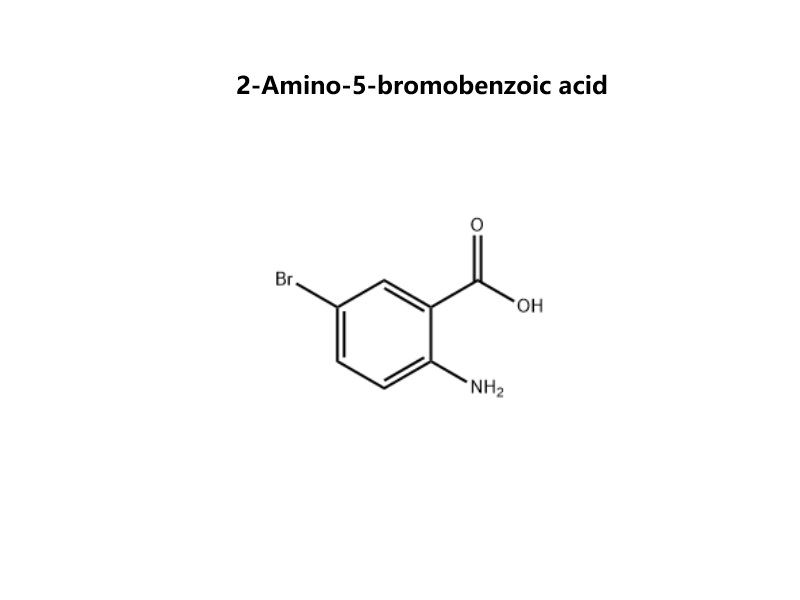
Ácido 2-amino-5-bromobenzoico CAS 5794-88-7 É um bloco de construção aromático altamente versátil que integra três grupos funcionais distintos — uma amina, um ácido carboxílico e um brometo de arila — em uma única estrutura sinteticamente valiosa. Essa multifuncionalidade o torna um intermediário crucial na química farmacêutica e de materiais avançados.
Detalhes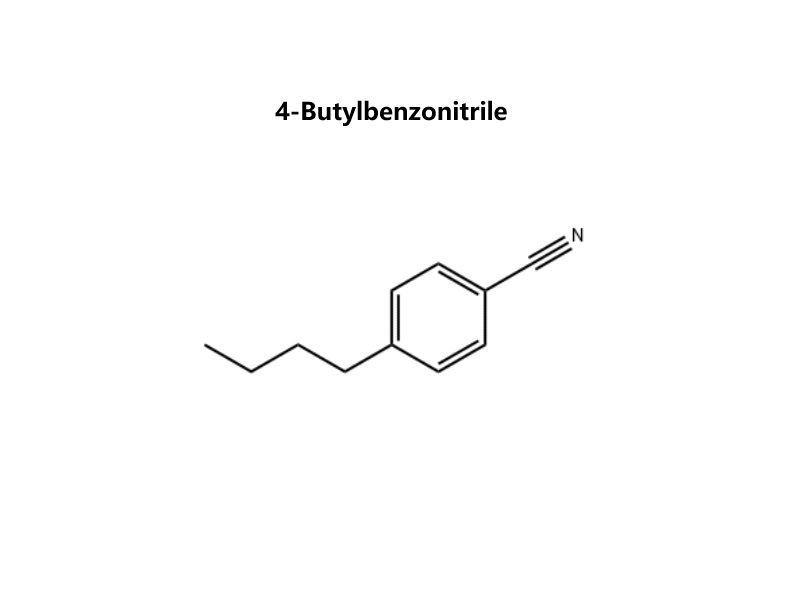
4-Butilbenzonitrila CAS 20651-73-4É um bloco de construção hidrofóbico estrategicamente projetado que combina um núcleo aromático rígido com uma cadeia alquílica linear flexível e um grupo funcional nitrila altamente versátil. Essa tríade de características o torna um intermediário excepcionalmente valioso para modular propriedades físico-químicas e viabilizar diversas vias sintéticas em pesquisas avançadas de materiais, produtos farmacêuticos e agroquímicos.
Detalhes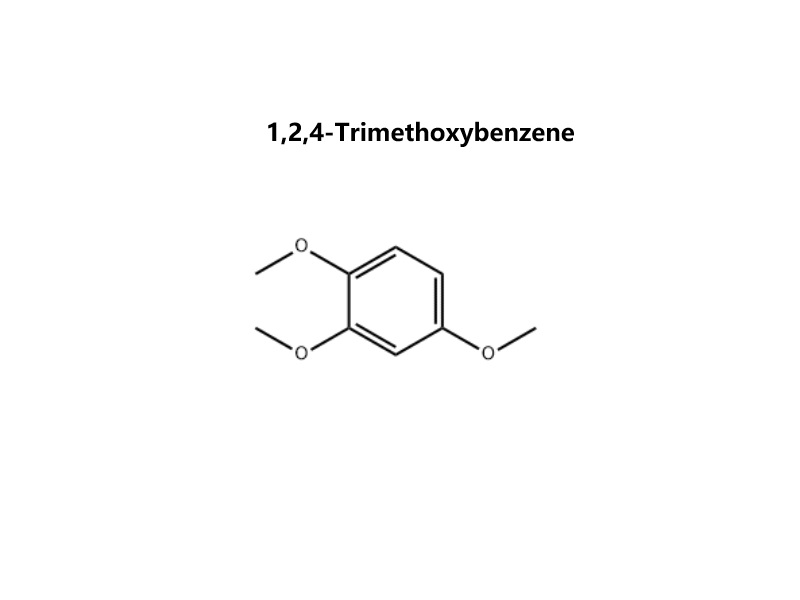
1,2,4-Trimetoxibenzeno CAS 135-77-3 É um bloco de construção aromático singularmente versátil e rico em elétrons. Seu principal valor reside em seu padrão de substituição assimétrico, porém altamente previsível, que proporciona um controle regioseletivo excepcional em síntese orgânica. Isso o torna uma estrutura privilegiada para a construção de moléculas complexas nas áreas farmacêutica, agroquímica e de materiais avançados.
Detalhes
 CONTATE-NOS
 1st Floor, No. 477, Huancheng West Road, Nanqiao Town, Fengxian District, Shanghai,China
 sales@qxscientific.com
 +86 -13701740203


 IPv6 SUPORTADO POR REDE
|
Mapa do site
|
XML |
Blogue |
política de Privacidade
IPv6 SUPORTADO POR REDE
|
Mapa do site
|
XML |
Blogue |
política de Privacidade
Deixe um recado
Scan to Wechat/Whatsapp :



 Português
 English
 Español
 Português