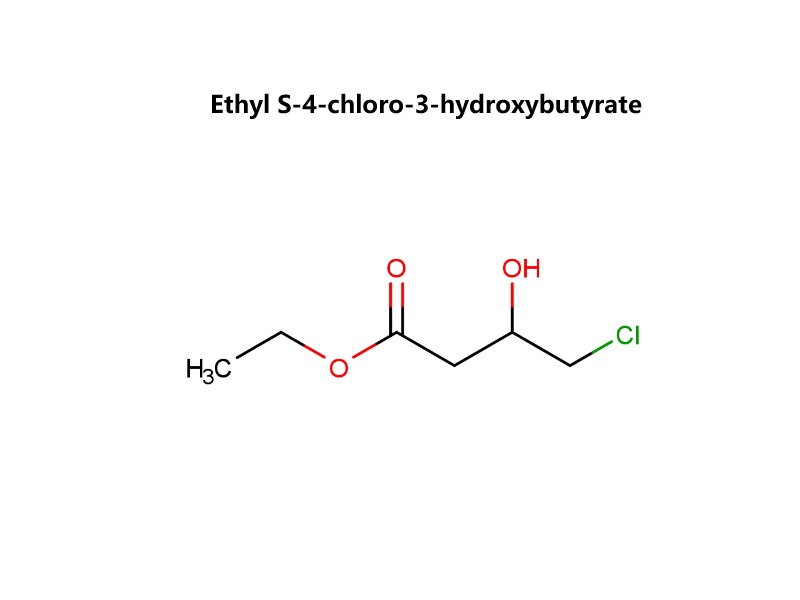

Etil (S)-4-cloro-3-hidroxibutirato CAS 86728-85-0 É um éster quiral bifuncional e um bloco de construção de grande valor na síntese assimétrica. Apresenta um grupo cloro terminal, um álcool secundário com estereoquímica (S) definida e um éster etílico, fornecendo três grupos reativos distintos para transformação química a partir de um único esqueleto enantiomericamente puro. Este composto é um bloco de construção trifuncional quiralmente puro que integra um éster etílico reativo, um álcool secundário estereodefinido e um cloreto terminal em um esqueleto C4 compacto. É o precursor industrial preferido para a síntese da cadeia lateral quiral de medicamentos estatínicos de grande sucesso devido ao seu equilíbrio ideal entre reatividade, estabilidade e produção biocatalítica eficiente.
Nome :
Ethyl (S)-4-chloro-3-hydroxybutyrateNº CAS. :
86728-85-0MF :
C₆H₁₁ClO₃MW :
166.60Pureza :
99%Aparência :
Typically a colorless to pale yellow liquid.Condição de armazenamento :
Store under an inert atmosphere (N₂ or Argon) in a tightly sealed container and refrigerate (2-8°C).Propriedades Químicas
Nome IUPAC: Etil (3S)-4-cloro-3-hidroxibutanoato
Outros nomes comuns: Éster etílico do ácido (S)-4-cloro-3-hidroxibutírico; (S)-CHBE
Fórmula química: C₆H₁₁ClO₃
Peso molecular: 166,60 g/mol
Estrutura: CH₂Cl-CH(OH)-CH₂-COO-CH₂-CH₃. O centro quiral no carbono 3 apresenta o grupo hidroxila na configuração (S).
Aparência: Normalmente um líquido incolor a amarelo pálido.
Ponto de ebulição: ~95-100°C a 1 mmHg (decompõe-se a pressões mais elevadas).
Densidade: ~1,18 g/cm³ a 20°C
Índice de refração: n²⁰/D ~1,455 - 1,465
Rotação óptica específica: [α]²⁰/D varia tipicamente de -15° a -20° (c=1 em etanol).
Solubilidade: Solúvel na maioria dos solventes orgânicos comuns (acetato de etila, diclorometano, éter, etanol). Pouco solúvel em água.
Estabilidade: Sensível à umidade. O grupo cloro é suscetível à hidrólise, especialmente em condições ácidas ou básicas. O centro quiral pode racemizar em condições fortemente básicas. Recomenda-se armazenar sob atmosfera inerte (nitrogênio/argônio) em baixa temperatura (2-8 °C) para evitar degradação e racemização.
Reatividade chave:
Grupo Éster: Pode ser hidrolisado a ácido carboxílico, reduzido a álcool ou transesterificado.
Grupo cloro: Um bom grupo de saída para reações de substituição nucleofílica (Sɴ2) com nucleófilos como azida, cianeto, aminas ou alcóxidos.
Grupo Hidroxila: Pode ser protegido (por exemplo, como um éter silílico ou acetal), oxidado ou usado para direcionar reações estereosseletivas.
Atividades Biológicas
Função principal: Este composto é exclusivamente um intermediário sintético sem atividade terapêutica intrínseca. Sua importância reside em seu papel como precursor quiral de moléculas biologicamente ativas.
Relevância Metabólica: É um precursor quiral direto do ácido (R)-4-amino-3-hidroxibutírico (GABOB), um análogo de neurotransmissor, e da cadeia lateral dos inibidores da redutase de hidroximetilglutaril-CoA (HMG-CoA) (estatinas).
Toxicidade: Prevê-se que seja nocivo se ingerido, inalado ou absorvido pela pele. Provavelmente causa irritação na pele e nos olhos. Devem ser observadas as precauções padrão para o manuseio de compostos halogenados.
Biossíntese
Ocorrência natural: Não ocorre naturalmente.
Síntese industrial: Produzido por meio de rotas catalíticas enantioseletivas.
Redução Assimétrica: O método mais comum e eficiente envolve a biorredução enantioseletiva do 4-cloroacetoacetato de etila (COBE) utilizando células de levedura geneticamente modificadas (por exemplo, Geotrichum candidum, Candida magnoliae) ou enzimas cetoredutases recombinantes. Este processo biocatalítico oferece alta enantioseletividade (>99% ee), excelente rendimento e é ecologicamente correto.
Catálise química: A hidrogenação assimétrica do 4-cloroacetoacetato de etila usando catalisadores quirais de metais de transição (por exemplo, complexos de Ru-BINAP) também é viável, mas pode ser menos seletiva ou exigir condições mais rigorosas do que a biocatálise.
Pool Quiral: A derivação a partir de fontes quirais naturais, como o ácido L-málico ou o ácido ascórbico, é possível, mas menos econômica para produção em larga escala.
Aplicações


Principais vantagens e benefícios
1. Otimizado para produção biocatalítica escalável e de alto rendimento
Benefício: É produzido com excepcional eficiência por meio da redução assimétrica microbiana ou enzimática do 4-cloroacetoacetato de etila (COBE). Este processo "verde" fornece o produto com excesso enantiomérico (ee) superior a 99%, elimina catalisadores de metais pesados e é ideal para a fabricação em larga escala em conformidade com as Boas Práticas de Fabricação (cGMP).
Cenário de aplicação: Uma empresa farmacêutica utiliza um processo baseado em fermentação com levedura Candida geneticamente modificada para produzir quantidades de várias toneladas deste éster. A alta estereosseletividade elimina a necessidade de separações quirais dispendiosas, e o processamento aquoso resulta em um produto de pureza excepcional, que é diretamente utilizado na síntese de Atorvastatina (Lipitor®) com mínimo desperdício e máxima economia de átomos.
2. Design trifuncional para síntese estratégica e convergente
Benefício: Os três grupos funcionais (cloreto, álcool, éster) são ortogonais e podem ser modificados sequencialmente, permitindo a construção rápida de alvos quirais complexos por meio de rotas sintéticas convergentes.
Cenário de aplicação: Na síntese de um potente inibidor de protease γ-lactona, um químico medicinal primeiro protege o (S)-álcool como um éter silílico. O cloreto é então deslocado com um nucleófilo tiol e, finalmente, o éster etílico é seletivamente reduzido a um aldeído, que sofre ciclização espontânea para formar a lactona desejada com perfeito controle estereoquímico — tudo a partir deste único e versátil material de partida.
3. Estabilidade de processo e características de manuseio superiores
Benefício: Comparado aos análogos de ácido livre ou nitrila, mais instáveis, o éster etílico oferece maior estabilidade contra dimerização e polimerização durante o armazenamento e em condições de processo. Sua forma líquida permite dosagem volumétrica ou gravimétrica precisa em reatores de grande porte.
Cenário de aplicação: Em um sistema de fabricação de fluxo contínuo para um intermediário de estatina, este éster é bombeado de forma confiável, sem problemas de cristalização ou viscosidade. Sua estabilidade garante um desempenho de reação consistente ao longo de longas campanhas de produção, reduzindo o tempo de inatividade e a complexidade de validação em comparação com o manuseio de alternativas sólidas ou altamente reativas.
4. Precursor direto de intermediários quirais de alto valor
Benefício: Serve como matéria-prima direta para a síntese de síntons quirais comerciais, como o (R)-4-amino-3-hidroxibutirato (GABOB) e o aldeído crítico da cadeia lateral da estatina, permitindo sínteses simplificadas em várias etapas sem manipulações de grupos protetores nos estágios iniciais.
Cenário de aplicação: Um fornecedor de produtos químicos finos utiliza este composto para produzir (S)-3-hidroxi-γ-butirolactona por meio de uma simples ciclização intramolecular. Esta lactona de alto valor agregado é então vendida como um bloco de construção para produtos farmacêuticos e materiais avançados, criando uma linha de produtos derivados lucrativa a partir de uma única fonte escalável.
Etil (S)-4-Cloro-3-hidroxibutirato (CAS 86728-85-0) É o intermediário fundamental para a síntese industrial de terapias com estatinas que movimentam bilhões de dólares. Suas vantagens são definidas por seu papel em uma cadeia de suprimentos perfeitamente otimizada: é produzido por meio de um processo biocatalítico escalável e sustentável que garante a pureza estereoquímica necessária para a eficácia farmacêutica. Para os fabricantes, representa um bloco de construção confiável e de alta qualidade que minimiza a complexidade e o risco da produção. Para os químicos sintéticos, seu design trifuncional oferece flexibilidade incomparável na construção de arquiteturas quirais complexas. Embora existam alternativas para aplicações específicas, este composto permanece o campeão incontestável para a produção eficiente, econômica e de alta pureza dos medicamentos mais importantes do mundo para redução do colesterol.
Perguntas frequentes
Q1: Qual é a principal vantagem da forma éster etílico em comparação com o ácido livre ou o análogo nitrilo?
A: O éster etílico oferece um equilíbrio ideal entre reatividade e estabilidade. É mais estável ao manuseio e armazenamento do que o ácido livre, e o grupo éster é mais fácil de hidrolisar em condições mais brandas em comparação com a redução de uma nitrila. Ele fornece uma rota direta e protegida para a funcionalidade do ácido carboxílico essencial para a síntese da cadeia lateral da estatina.
Q2: Qual é o parâmetro de qualidade mais crítico a ser especificado?
A: O excesso enantiomérico (ee) é fundamental. Para aplicações farmacêuticas, geralmente é necessário um ee ≥ 99%. Isso deve ser verificado por análise de HPLC quiral ou GC. Também são cruciais a pureza química (por GC/HPLC, geralmente ≥ 98%) e o teor de água (por Karl Fischer, que deve ser baixo, por exemplo, 100% de água). <0,5%).
Q3: Como deve ser armazenado e qual é o seu prazo de validade?
A: Devido à sensibilidade à umidade e à potencial racemização, armazene sob atmosfera inerte (N₂ ou argônio) em um recipiente hermeticamente fechado e refrigere (2-8 °C). Para armazenamento a longo prazo, recomenda-se o congelamento a -20 °C. Nessas condições, a validade pode ultrapassar 24 meses. Sempre deixe em temperatura ambiente em um recipiente fechado antes de usar para evitar condensação.
Q4: Quais são as principais diferenças entre a produção biocatalítica e a produção catalítica química?
A:
Biocatalítico (levedura/enzima): Oferece enantioseletividade superior (frequentemente >99,5% ee), opera em condições brandas (tampão aquoso, temperatura ambiente) e é altamente sustentável. É o método industrial preferido.
Catalisadores Químicos (Complexos Metálicos Quirais): Podem oferecer alta produtividade, mas podem exigir alta pressão (H₂), catalisadores sensíveis e, frequentemente, resultam em ee ligeiramente menor, necessitando de purificação. A escolha depende da escala, da infraestrutura existente e da pureza desejada.
Q5: Qual é uma transformação típica a jusante na síntese de estatinas?
A: Uma sequência clássica envolve: 1) Proteção do álcool (por exemplo, como um éter terc-butildimetilsilil), 2) Deslocamento nucleofílico do cloreto com um nucleófilo de carbono adequado (por exemplo, um dianion derivado de um precursor da estrutura da estatina) e 3) Hidrólise do éster etílico para revelar o ácido carboxílico necessário para a etapa final de lactonização ou acoplamento.
Q6: Quais são as principais precauções de segurança e manuseio?
A: Manuseie em uma capela de exaustão bem ventilada com EPI apropriado (luvas de nitrilo/neoprene, óculos de segurança, jaleco). É inflamável, sensível à umidade e provavelmente tóxico. Evite o contato com a pele, os olhos e as roupas. Evite a inalação de vapores/névoa. Tenha à disposição equipamentos de combate a incêndio e materiais para contenção de derramamentos (absorvente inerte).
Q7: Quem são os fornecedores típicos e o que influencia seus preços?
A: É fornecido por fabricantes de produtos químicos finos especializados e empresas de síntese personalizada, particularmente aquelas com forte capacidade em biocatálise e síntese assimétrica. Os principais fatores que influenciam o preço incluem:
Pureza enantiomérica (ee%): Custo significativamente maior para material com ee >99%.
Escala: O preço por kg diminui substancialmente com o volume.
Rota sintética: O material produzido biocataliticamente pode ter um preço mais elevado devido às suas credenciais "verdes" e pureza superior.
Suporte regulatório: Fornecedores que podem fornecer material com grau de conformidade cGMP e documentação regulatória completa (DMF, CMC) para uso farmacêutico cobram preços mais altos.
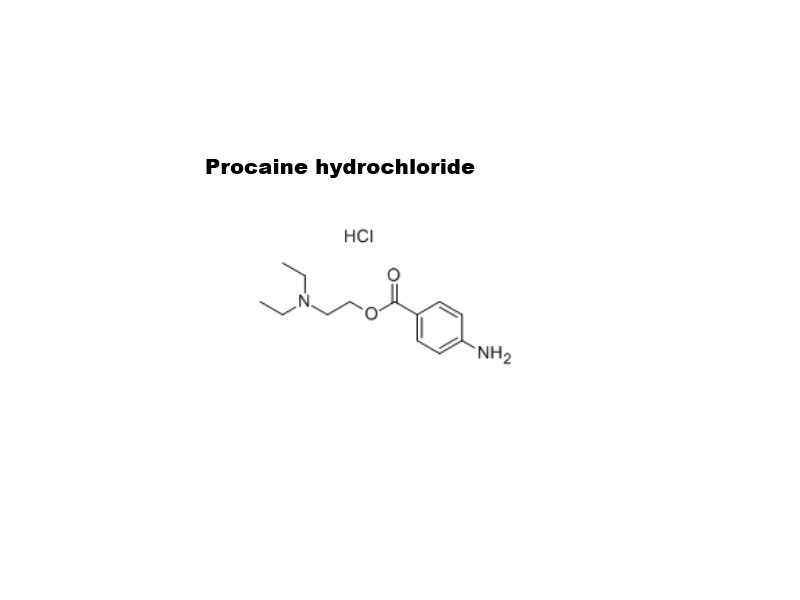
Cloridrato de Procaína CAS 51-05-8 é o sal cloridrato de procaína solúvel em água. É a formulação específica usada na medicina clínica, comercializada sob a famosa marca Procaína.NovocaínaEmbora seu uso na prática clínica tenha diminuído, continua sendo um medicamento historicamente fundamental e ainda é empregado em contextos médicos e terapêuticos específicos.
Detalhes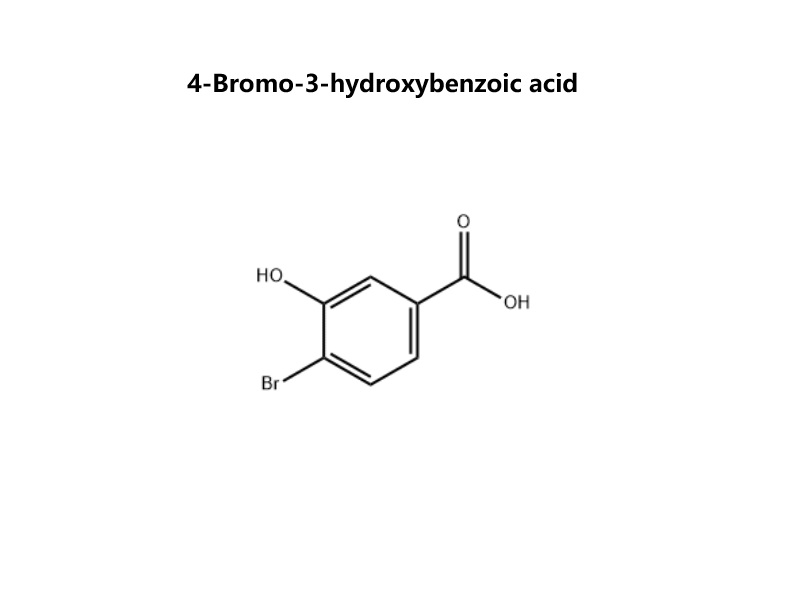
Ácido 4-bromo-3-hidroxibenzoico CAS 14348-38-0 é um Bloco de construção aromático multifuncional premium Projetada para síntese orientada à complexidade. Seu principal valor reside no posicionamento estratégico de três grupos funcionais distintos e ortogonalmente reativos em um anel benzênico, tornando-a uma ferramenta indispensável para a construção molecular convergente em pesquisa e desenvolvimento avançados.
Detalhes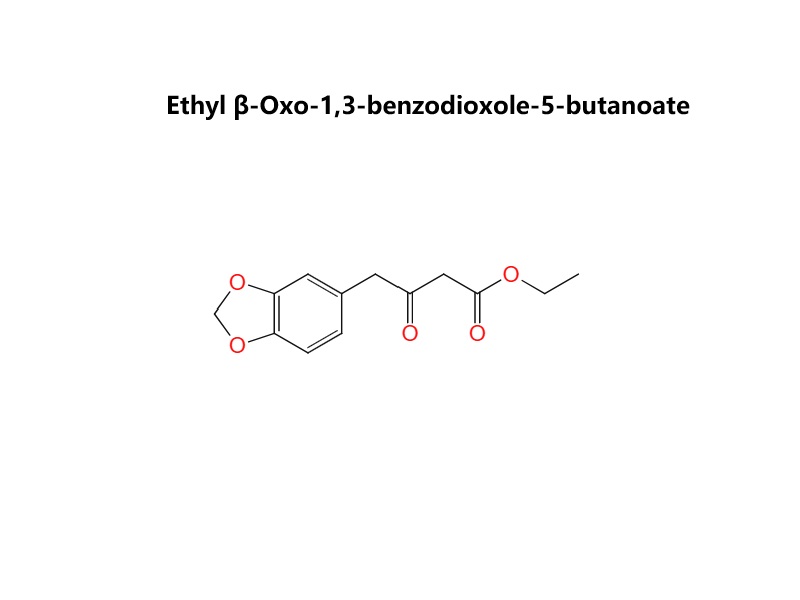
β-Oxo-1,3-benzodioxol-5-butanoato de etila CAS 31127-23-8 é um Derivado β-cetoéster apresentando um Sistema aromático 1,3-benzodioxol (metilenodioxifenil)Estruturalmente, consiste em um anel benzodioxol ligado por uma cadeia de três carbonos a um grupo funcional etil β-cetoéster (-CO-CH₂-COOEt). Isso o torna um bloco de construção bifuncional versátil Para síntese orgânica, combinando as propriedades eletrônicas do grupo benzodioxol com a alta reatividade de um β-cetoéster.
Detalhes![4-Nitrophenyl 3-(Benzo[d][1,3]dioxol-5-yl)-2-methylpropanoate](https://pt.qixiolivetol.com/storage/uploads/images/202604/17/1776427287_qZy87IjHSQ.jpg)
4-Nitrofenil 3-(Benzo[d][1,3]dioxol-5-il)-2-metilpropanoato é um agente acilante pré-ativado e quiralmente definido que combina um farmacóforo benzo[1,3]dioxol (piperonil) metabolicamente estável com a reatividade excepcional de um éster 4-nitrofenil. Permite a introdução eficiente e sem racemização de uma porção ácida quiral complexa em condições brandas, tornando-se indispensável para síntese química avançada e bioconjugação.4-Nitrofenil 3-(Benzo[d][1,3]dioxol-5-il)-2-metilpropanoato É um éster especial projetado como um intermediário bioquímico ou sintético reativo. Sua estrutura combina estrategicamente três unidades principais:(1)A Ácido 3-(benzo[1,3]dioxol-5-il)-2-metilpropanoico fração (ácido quiral substituído por piperonila).(2)A 4-nitrofenil éster saindo do grupo.Esse design o torna um éster ativado, onde o 4-nitrofenol é um excelente grupo de saída, facilitando reações de transferência de acila eficientes em condições brandas.
Detalhes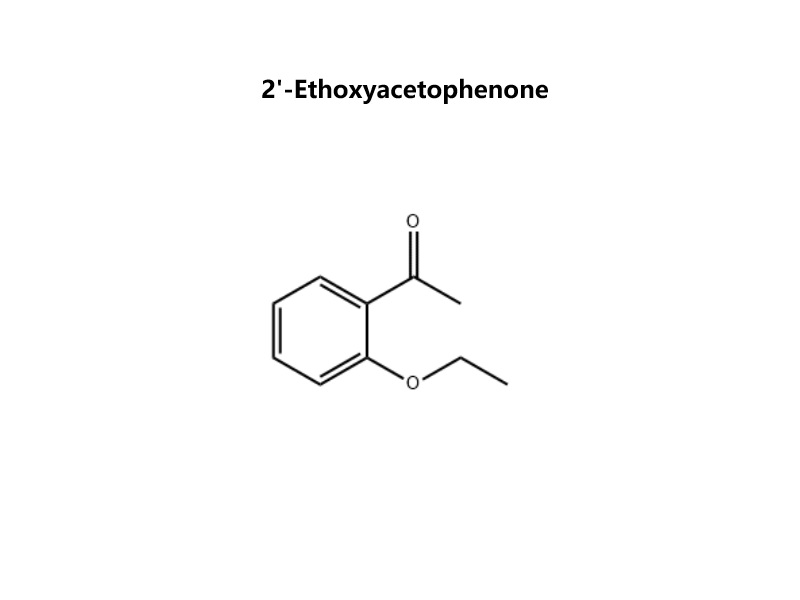
2'-Etoxiacetofenona CAS 2142-67-8 É uma cetona aromática especializada, caracterizada por um substituinte etóxi na posição orto em relação ao grupo acetil. Essa característica estrutural confere propriedades químicas e físicas distintas, tornando-a um bloco de construção privilegiado para a síntese de moléculas complexas, particularmente nos setores de aromas/fragrâncias e farmacêutico.
Detalhes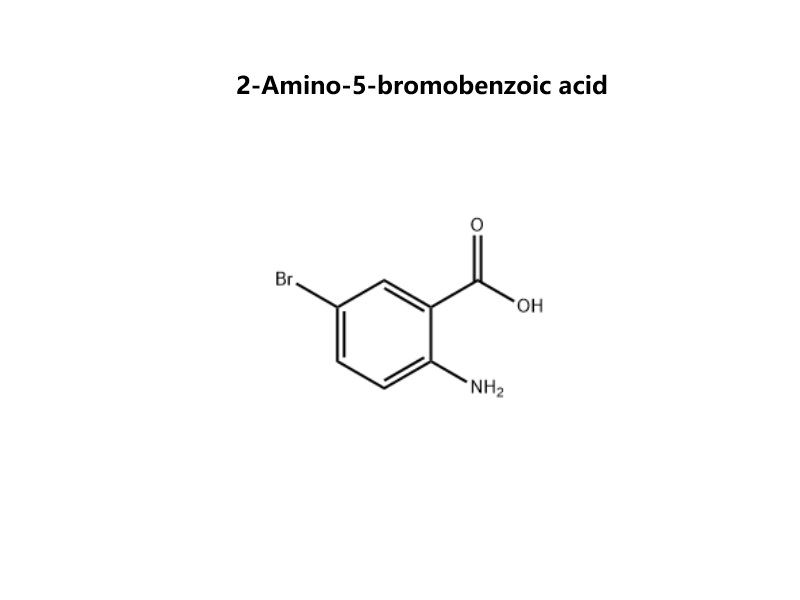
Ácido 2-amino-5-bromobenzoico CAS 5794-88-7 É um bloco de construção aromático altamente versátil que integra três grupos funcionais distintos — uma amina, um ácido carboxílico e um brometo de arila — em uma única estrutura sinteticamente valiosa. Essa multifuncionalidade o torna um intermediário crucial na química farmacêutica e de materiais avançados.
Detalhes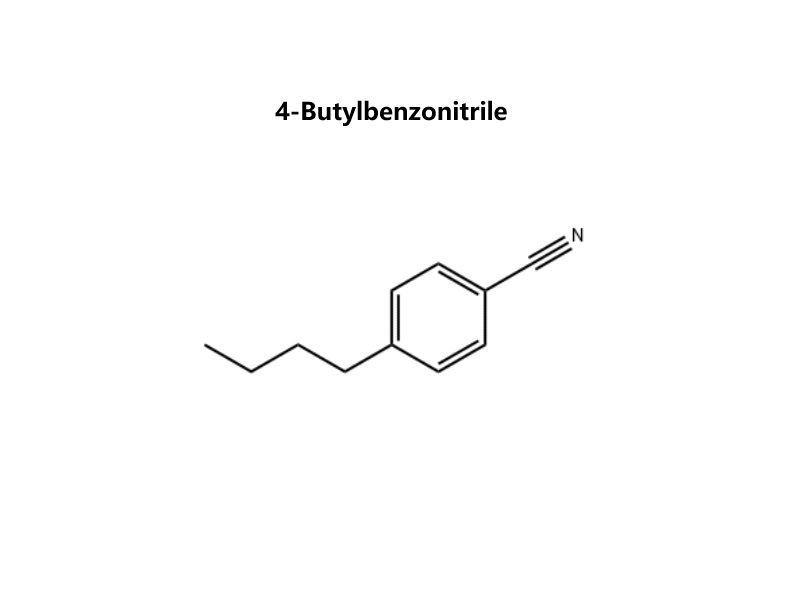
4-Butilbenzonitrila CAS 20651-73-4É um bloco de construção hidrofóbico estrategicamente projetado que combina um núcleo aromático rígido com uma cadeia alquílica linear flexível e um grupo funcional nitrila altamente versátil. Essa tríade de características o torna um intermediário excepcionalmente valioso para modular propriedades físico-químicas e viabilizar diversas vias sintéticas em pesquisas avançadas de materiais, produtos farmacêuticos e agroquímicos.
Detalhes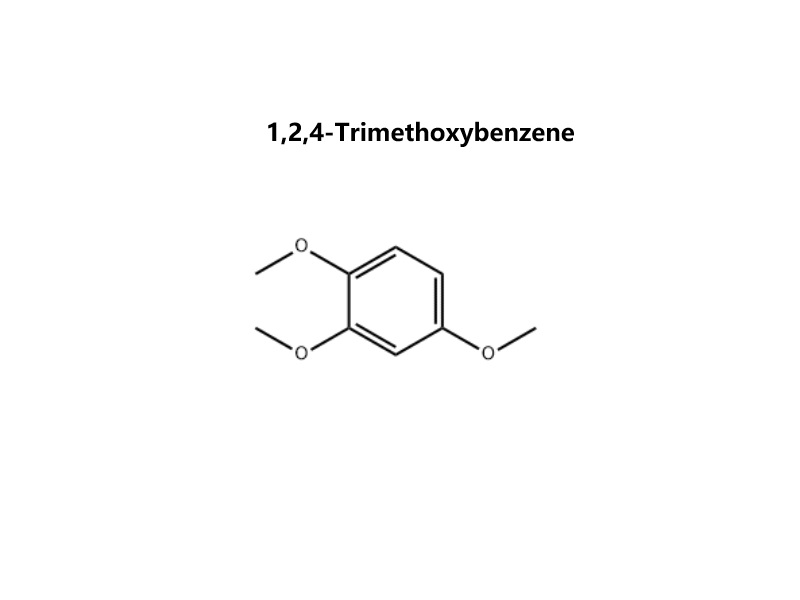
1,2,4-Trimetoxibenzeno CAS 135-77-3 É um bloco de construção aromático singularmente versátil e rico em elétrons. Seu principal valor reside em seu padrão de substituição assimétrico, porém altamente previsível, que proporciona um controle regioseletivo excepcional em síntese orgânica. Isso o torna uma estrutura privilegiada para a construção de moléculas complexas nas áreas farmacêutica, agroquímica e de materiais avançados.
Detalhes
 CONTATE-NOS
 1st Floor, No. 477, Huancheng West Road, Nanqiao Town, Fengxian District, Shanghai,China
 sales@qxscientific.com
 +86 -13701740203


 IPv6 SUPORTADO POR REDE
|
Mapa do site
|
XML |
Blogue |
política de Privacidade
IPv6 SUPORTADO POR REDE
|
Mapa do site
|
XML |
Blogue |
política de Privacidade
Deixe um recado
Scan to Wechat/Whatsapp :



 Português
 English
 Español
 Português