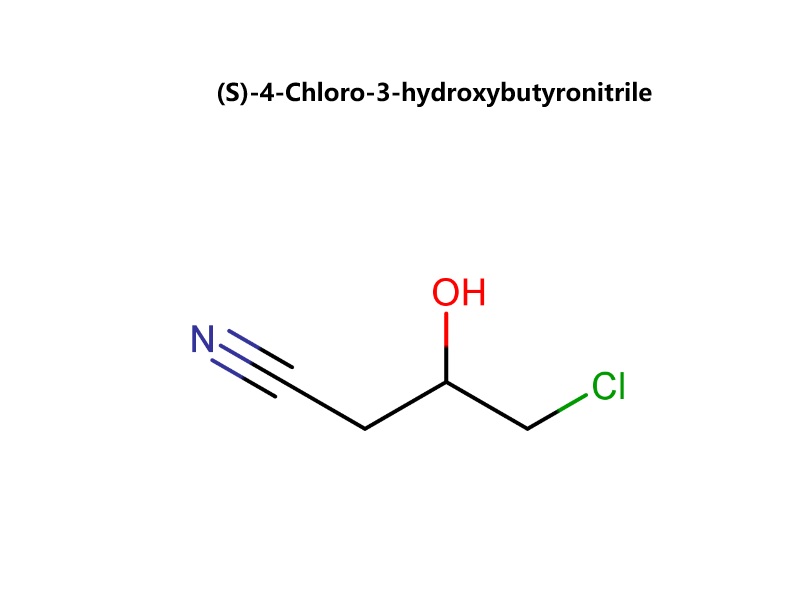
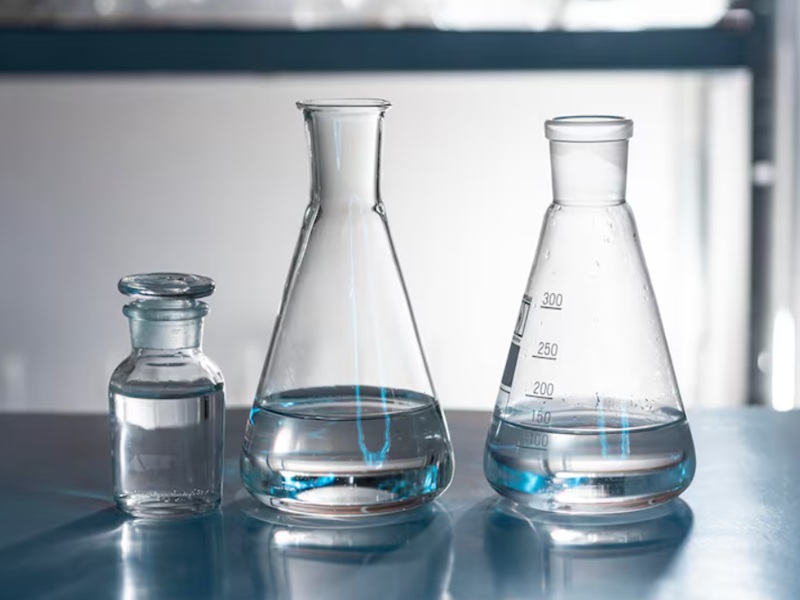
(S)-4-Cloro-3-hidroxibutironitrila CAS 127913-44-4 O (S)-4-cloro-3-hidroxibutironitrila é uma molécula orgânica quiral e bifuncional que serve como um bloco de construção versátil em síntese assimétrica. Apresenta um grupo nitrila, um álcool secundário com estereoquímica (S) definida e um substituinte cloro terminal, permitindo múltiplas transformações químicas divergentes a partir de um único arcabouço enantiomericamente puro. O (S)-4-cloro-3-hidroxibutironitrila é um bloco de construção quiral privilegiado e enantiomericamente puro que fornece um arcabouço compacto e multifuncional com três sítios de reação diferenciáveis. Seu principal valor reside em possibilitar a síntese eficiente e estereocontrolada de moléculas quirais complexas, particularmente intermediários farmacologicamente ativos, com alta economia de átomos e flexibilidade estratégica.
Nome :
(S)-4-Chloro-3-hydroxybutyronitrileNº CAS. :
127913-44-4MF :
C₄H₆ClNOMW :
119.55Pureza :
99%Aparência :
Typically a colorless to pale yellow liquid.Condição de armazenamento :
Store under an inert atmosphere (nitrogen or argon) in a tightly sealed container.Propriedades Químicas
Nome IUPAC: (3S)-4-Cloro-3-hidroxibutanonitrila
Outros nomes comuns: (S)-3-Hidroxi-4-clorobutironitrila; (S)-CHBN
Fórmula química: C₄H₆ClNO
Peso molecular: 119,55 g/mol
Estrutura: NC-CH₂-CH(OH)-CH₂-Cl. O centro quiral no carbono 3 apresenta o grupo hidroxila na configuração (S).
Aparência: Normalmente um líquido incolor a amarelo pálido.
Ponto de ebulição: Aproximadamente 110-115°C sob pressão reduzida (ex.: 10 mmHg). Decompõe-se se destilado à pressão atmosférica.
Densidade: ~1,25 g/cm³
Índice de refração: n²⁰/D ~1,470 - 1,480
Solubilidade: Miscível com a maioria dos solventes orgânicos comuns (diclorometano, acetato de etila, acetona, etanol). Ligeiramente solúvel em água.
Estabilidade: Sensível à umidade. Os grupos cloro e nitrila podem ser hidrolisados em condições aquosas ácidas ou básicas, especialmente em temperaturas elevadas. Também é propenso à racemização em condições básicas. Armazenar sob atmosfera inerte (N₂/Ar) e refrigerado.
Reatividade chave:
Grupo nitrila: Pode ser hidrolisado a um ácido carboxílico, reduzido a uma amina ou reagido com compostos organometálicos (reagentes de Grignard) para formar cetonas.
Grupo cloro: Um bom grupo de saída para reações de substituição nucleofílica (Sɴ2) com vários nucleófilos (por exemplo, azida, aminas, tióis).
Grupo Hidroxila: Pode ser protegido (como éteres de silila, acetais), oxidado ou usado para direcionar reações estereosseletivas.
Atividades Biológicas
Função principal: Este composto não é usado como um agente bioativo em si. Seu valor reside exclusivamente como um intermediário sintético.
Toxicidade: Espera-se que seja tóxico se ingerido, inalado ou absorvido pela pele. Como muitos nitrilos, pode liberar íons cianeto durante o metabolismo, representando riscos de toxicidade sistêmica. Também é provável que seja irritante para a pele e os olhos. Deve ser manuseado com extremo cuidado em uma capela de exaustão com EPI apropriado.
Metabolismo: Não há dados sobre metabolismo terapêutico. Por ser um nitrilo, sua potencial toxicidade é uma consideração crítica de segurança durante o manuseio.
Biossíntese
Ocorrência natural: Não ocorre naturalmente.
Síntese Industrial/Química: Produzido via síntese assimétrica ou resolução cinética.
Redução Catalítica Assimétrica: A rota moderna mais comum envolve a redução enantioseletiva do 4-cloro-3-oxobutironitrilo usando um catalisador quiral (por exemplo, um complexo de rutênio do tipo Noyori ou um catalisador quiral oxazaborolidina/CBS) com alto excesso enantiomérico (ee).
Resolução enzimática: O 4-cloro-3-hidroxibutironitrilo racêmico pode ser resolvido usando lipases ou esterases que acetilam ou hidrolisam seletivamente um dos enantiômeros.
Material de partida para síntese de compostos quirais: A síntese a partir de um precursor quiral natural, como o ácido ascórbico ou um derivado de açúcar, é possível, mas menos comum comercialmente.
Aplicações



Principais vantagens e benefícios
1. Estrutura multifuncional e ortogonalmente reativa para síntese divergente
Benefício: Integra três grupos funcionais altamente úteis — um cloreto (excelente grupo de saída), um álcool secundário (estereocentro com potencial protetor/oxidante) e um nitrilo (precursor versátil de ácidos, aminas ou cetonas) — em uma única molécula pequena. Isso permite transformações sequenciais e ortogonais para construir complexidade molecular a partir de um ponto de partida quiral comum.
Cenário de aplicação: Na síntese modular de uma biblioteca de γ-lactamas quirais (potenciais inibidores de quinase), um químico medicinal pode: 1) proteger o álcool como um éter TBS, 2) deslocar o cloreto com azida de sódio, 3) reduzir a azida a uma amina e o nitrilo a um aldeído em um único recipiente, desencadeando a ciclização espontânea para formar o núcleo de lactama desejado com estereoquímica definida, tudo a partir desse único material de partida.
2. Sintão quiral crítico para intermediários farmacêuticos de grande sucesso
Benefício: Serve como precursor quiral definitivo para a cadeia lateral do ácido di-hidroxi dos medicamentos da classe das estatinas. Sua configuração (S) define diretamente a estereoquímica necessária para a atividade biológica no Ingrediente Farmacêutico Ativo (IFA) final.
Cenário de aplicação: Na produção comercial de atorvastatina, este composto é utilizado em uma sequência de múltiplas etapas para construir o fragmento quiral crítico C3-C7 da molécula. Sua estereoquímica precisa garante que o fármaco final possua a forma tridimensional correta para inibir potentemente a HMG-CoA redutase, a enzima alvo para o controle do colesterol.
3. Permite alta fidelidade e pureza estereoquímica
Benefício: Disponível com alto excesso enantiomérico (tipicamente >99% ee), permite que as rotas sintéticas evitem etapas de resolução dispendiosas e ineficientes em fases posteriores da síntese. Isso garante a integridade estereoquímica do produto final, o que é imprescindível para a aprovação regulatória de fármacos quirais.
Cenário de aplicação: Ao desenvolver uma versão genérica da rosuvastatina, um fabricante adquire o isômero (S) de alta pureza para garantir que sua rota sintética produza um IFA (Ingrediente Farmacêutico Ativo) estereoquimicamente idêntico ao medicamento original. O uso desse bloco de construção pré-quiral elimina o risco de lotes dispendiosos não atenderem às especificações de pureza enantiomérica.
4. Ideal para produção assimétrica catalítica em larga escala
Benefício: Pode ser produzido de forma eficiente em escala por meio de hidrogenação assimétrica catalítica ou rotas biocatalíticas de precursores pró-quirais como o nitrilo 4-cloroacetoacetato. Isso o torna um ponto de partida econômico e sustentável para a fabricação farmacêutica em larga escala.
Cenário de aplicação: Uma organização de fabricação por contrato (CMO) investe em um reator de hidrogenação de fluxo contínuo com um sistema de ligante quiral para produzir toneladas métricas desse intermediário. O alto número de conversões do catalisador (TON) e a excelente enantioseletividade do processo o tornam economicamente viável para o fornecimento a múltiplos fabricantes de APIs de estatinas.
(S)-4-Cloro-3-hidroxibutironitrila (CAS 127913-44-4) É um intermediário estratégico de alto valor na síntese assimétrica, particularmente na indústria farmacêutica. Sua superioridade deriva de seu design trifuncional único e pureza quiral impecável, que fornecem uma plataforma concisa e poderosa para a construção de moléculas bioativas complexas. Para químicos sintéticos, representa uma peça fundamental de excepcional utilidade, possibilitando rotas convergentes para estatinas e outros compostos com alta eficiência e controle estereoquímico. Embora existam alternativas para estruturas-alvo específicas, poucas oferecem a mesma combinação de estereoquímica pré-instalada, densidade de grupos funcionais e transformabilidade que fazem deste composto uma pedra angular da síntese quiral moderna.
Perguntas frequentes
Q1: Qual é a especificação mais importante a verificar ao encomendar este composto?
A: O excesso enantiomérico (ee) é fundamental. Para uso em síntese farmacêutica, um mínimo de ≥98% ee é normalmente exigido, sendo ≥99% ee o padrão para etapas intermediárias finais. Sempre solicite um Certificado de Análise (CoA) com a rotação óptica específica e os dados de HPLC/GC quiral. A configuração absoluta (S)- deve ser confirmada.
Q2: Como deve ser armazenado para manter sua integridade quiral e estabilidade química?
A: É higroscópico, fotossensível e propenso à racemização. Para uma estabilidade ideal:
Armazene sob atmosfera inerte (nitrogênio ou argônio) em um recipiente hermeticamente fechado.
Conservar refrigerado (2-8°C) ou, para armazenamento a longo prazo, congelado (-20°C).
Proteger da luz (usar vidro âmbar ou embalagem opaca).
Deixe o recipiente lacrado atingir a temperatura ambiente antes de abri-lo para evitar a condensação de umidade.
Q3: Qual é uma transformação típica da próxima etapa em síntese?
A: Uma transformação altamente comum e estratégica é o deslocamento nucleofílico do grupo cloro. Por exemplo, a reação com azida de sódio (NaN₃) produz (S)-4-azido-3-hidroxibutironitrila, que pode então ser reduzida a um precursor de 1,4-diamina. Alternativamente, a nitrila pode ser seletivamente reduzida a um aldeído ou hidrolisada ao ácido, preservando as demais funcionalidades.
Q4: Quais são os principais riscos de manuseio e as precauções de segurança necessárias?
A: Trate-o como um composto altamente tóxico e sensível à umidade.
Principais riscos: Toxicidade aguda (oral, dérmica, inalatória), corrosão/irritação da pele, lesões oculares graves.
EPI: Sempre manuseie em uma capela de exaustão. Use luvas apropriadas (por exemplo, de borracha nitrílica), óculos de proteção contra respingos químicos e jaleco.
Procedimento em caso de derramamento: Absorva com material inerte (areia, vermiculita), coloque em um recipiente hermeticamente fechado para resíduos perigosos e ventile a área. Evite o contato com a pele e os olhos.
Q5: Pode ser usado diretamente em reações aquosas ou na presença de bases?
R: Geralmente, não. O grupo cloro é suscetível à hidrólise e o centro quiral pode racemizar em condições básicas. As reações devem ser realizadas em solventes orgânicos anidros (THF, DMF, DCM) sob atmosfera inerte. Se for necessário um tratamento aquoso, este deve ser realizado rapidamente em pH neutro e baixa temperatura.
Q6: Quais são os métodos analíticos comuns para o controle de qualidade?
A:
HPLC/GC quiral: Essencial para determinar a pureza enantiomérica (ee%).
RMN de ¹H e ¹³C: Confirma a estrutura química e avalia a pureza química.
Rotação óptica: A medição de [α]²⁰/D (o valor específico depende do solvente e da concentração) é uma verificação rápida da pureza quiral.
Titulação de Karl Fischer: mede o teor de água, que deve ser baixo (<0,5%).
Q7: Quais são seus principais concorrentes ou matérias-primas alternativas?
A:
(R)-Enantiômero: Utilizado para sintetizar a série de compostos de imagem especular.
Derivados protegidos: como o (S)-4-cloro-3-(terc-butildimetilsililoxi)butironitrila, que oferece maior estabilidade para certas sequências sintéticas.
Rotas derivadas da epicloridrina: Vias sintéticas alternativas para cadeias laterais de estatinas semelhantes que partem da epicloridrina quiral.
A escolha depende da molécula-alvo específica e do ponto de convergência ideal na rota sintética.
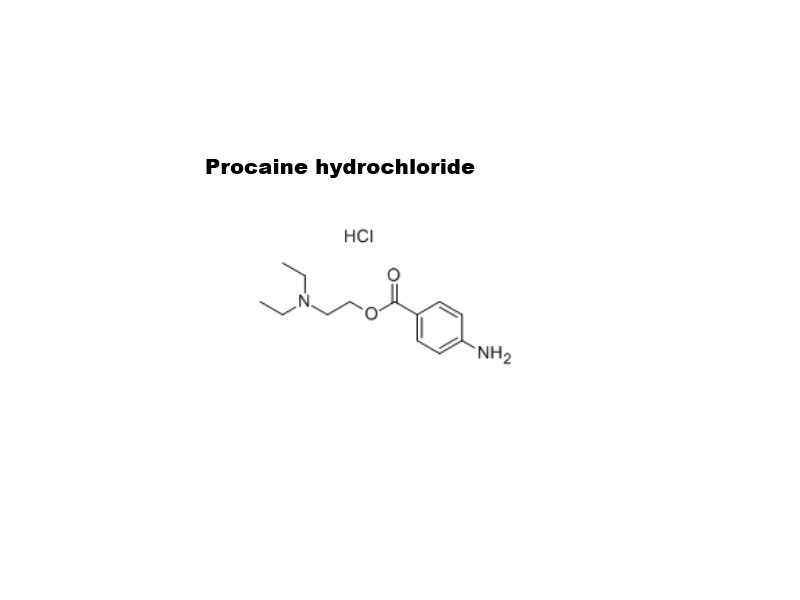
Cloridrato de Procaína CAS 51-05-8 é o sal cloridrato de procaína solúvel em água. É a formulação específica usada na medicina clínica, comercializada sob a famosa marca Procaína.NovocaínaEmbora seu uso na prática clínica tenha diminuído, continua sendo um medicamento historicamente fundamental e ainda é empregado em contextos médicos e terapêuticos específicos.
Detalhes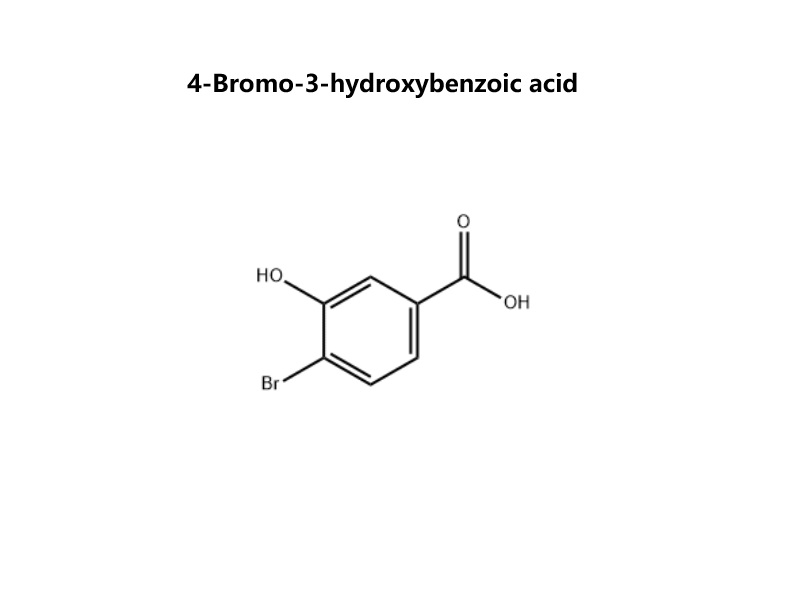
Ácido 4-bromo-3-hidroxibenzoico CAS 14348-38-0 é um Bloco de construção aromático multifuncional premium Projetada para síntese orientada à complexidade. Seu principal valor reside no posicionamento estratégico de três grupos funcionais distintos e ortogonalmente reativos em um anel benzênico, tornando-a uma ferramenta indispensável para a construção molecular convergente em pesquisa e desenvolvimento avançados.
Detalhes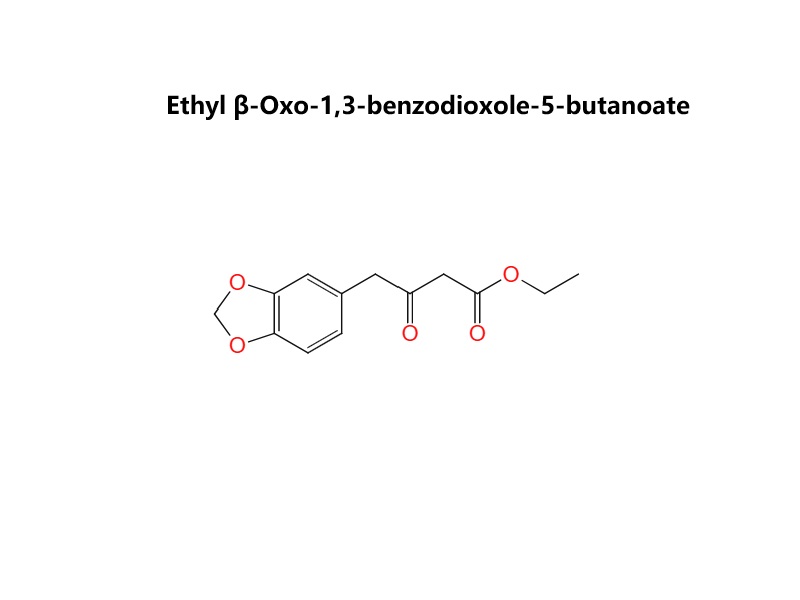
β-Oxo-1,3-benzodioxol-5-butanoato de etila CAS 31127-23-8 é um Derivado β-cetoéster apresentando um Sistema aromático 1,3-benzodioxol (metilenodioxifenil)Estruturalmente, consiste em um anel benzodioxol ligado por uma cadeia de três carbonos a um grupo funcional etil β-cetoéster (-CO-CH₂-COOEt). Isso o torna um bloco de construção bifuncional versátil Para síntese orgânica, combinando as propriedades eletrônicas do grupo benzodioxol com a alta reatividade de um β-cetoéster.
Detalhes![4-Nitrophenyl 3-(Benzo[d][1,3]dioxol-5-yl)-2-methylpropanoate](https://pt.qixiolivetol.com/storage/uploads/images/202604/17/1776427287_qZy87IjHSQ.jpg)
4-Nitrofenil 3-(Benzo[d][1,3]dioxol-5-il)-2-metilpropanoato é um agente acilante pré-ativado e quiralmente definido que combina um farmacóforo benzo[1,3]dioxol (piperonil) metabolicamente estável com a reatividade excepcional de um éster 4-nitrofenil. Permite a introdução eficiente e sem racemização de uma porção ácida quiral complexa em condições brandas, tornando-se indispensável para síntese química avançada e bioconjugação.4-Nitrofenil 3-(Benzo[d][1,3]dioxol-5-il)-2-metilpropanoato É um éster especial projetado como um intermediário bioquímico ou sintético reativo. Sua estrutura combina estrategicamente três unidades principais:(1)A Ácido 3-(benzo[1,3]dioxol-5-il)-2-metilpropanoico fração (ácido quiral substituído por piperonila).(2)A 4-nitrofenil éster saindo do grupo.Esse design o torna um éster ativado, onde o 4-nitrofenol é um excelente grupo de saída, facilitando reações de transferência de acila eficientes em condições brandas.
Detalhes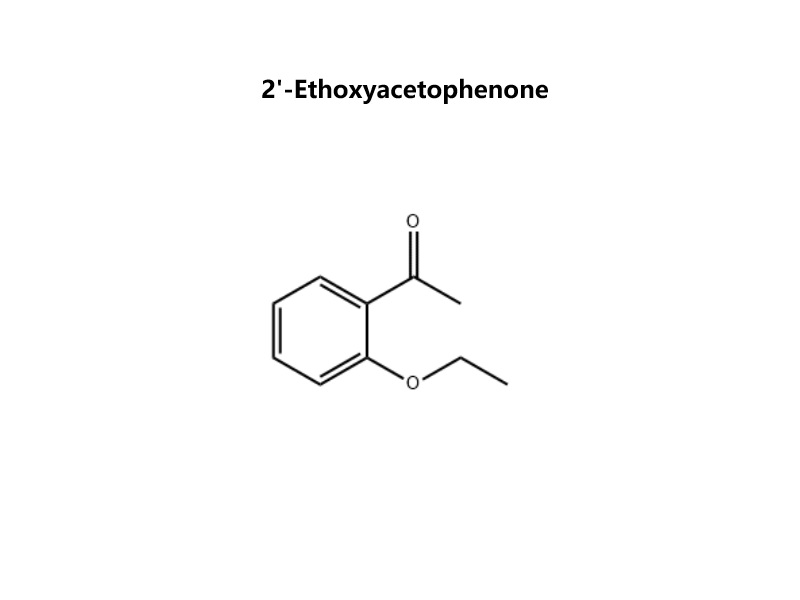
2'-Etoxiacetofenona CAS 2142-67-8 É uma cetona aromática especializada, caracterizada por um substituinte etóxi na posição orto em relação ao grupo acetil. Essa característica estrutural confere propriedades químicas e físicas distintas, tornando-a um bloco de construção privilegiado para a síntese de moléculas complexas, particularmente nos setores de aromas/fragrâncias e farmacêutico.
Detalhes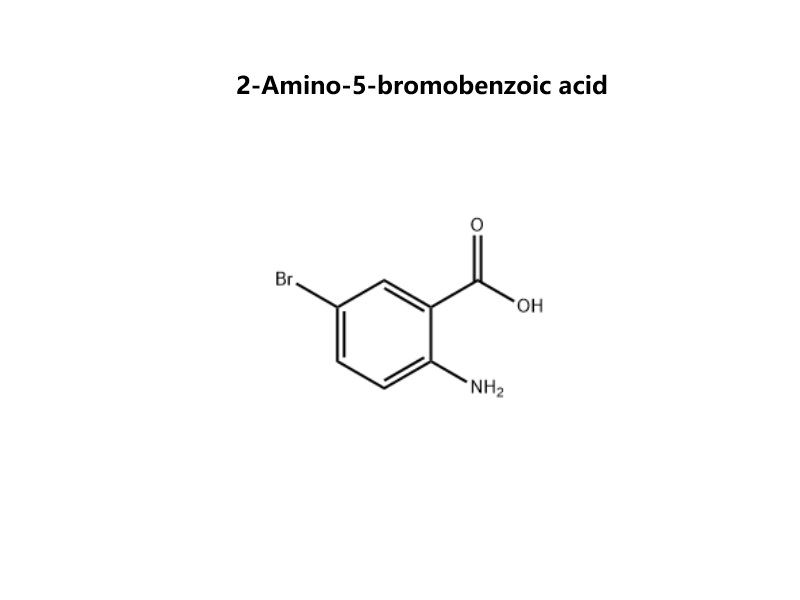
Ácido 2-amino-5-bromobenzoico CAS 5794-88-7 É um bloco de construção aromático altamente versátil que integra três grupos funcionais distintos — uma amina, um ácido carboxílico e um brometo de arila — em uma única estrutura sinteticamente valiosa. Essa multifuncionalidade o torna um intermediário crucial na química farmacêutica e de materiais avançados.
Detalhes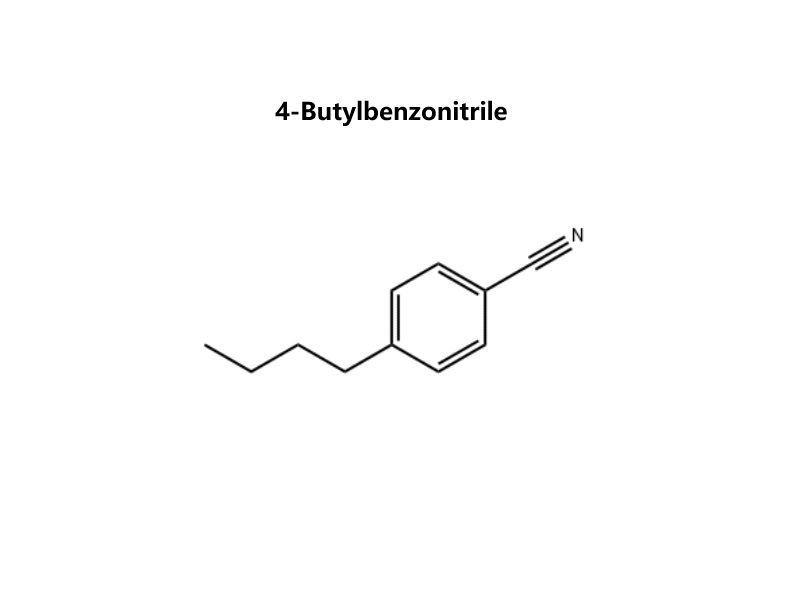
4-Butilbenzonitrila CAS 20651-73-4É um bloco de construção hidrofóbico estrategicamente projetado que combina um núcleo aromático rígido com uma cadeia alquílica linear flexível e um grupo funcional nitrila altamente versátil. Essa tríade de características o torna um intermediário excepcionalmente valioso para modular propriedades físico-químicas e viabilizar diversas vias sintéticas em pesquisas avançadas de materiais, produtos farmacêuticos e agroquímicos.
Detalhes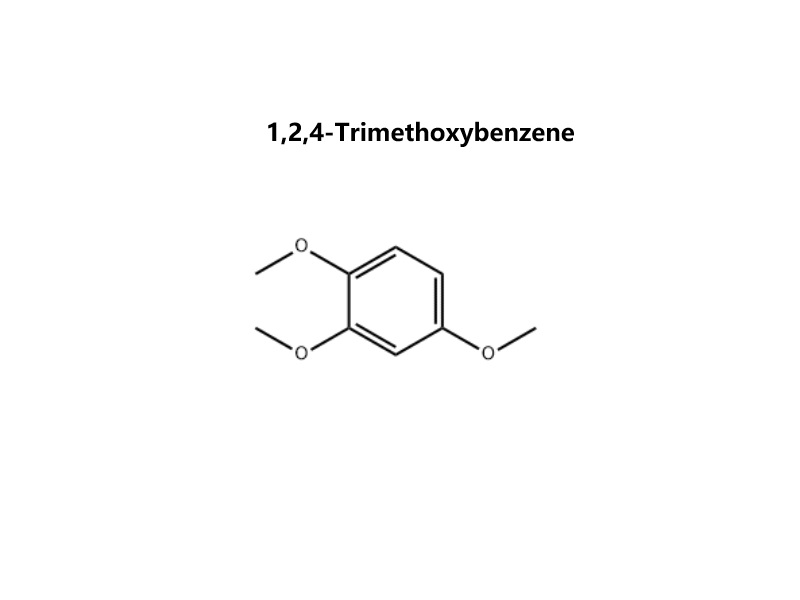
1,2,4-Trimetoxibenzeno CAS 135-77-3 É um bloco de construção aromático singularmente versátil e rico em elétrons. Seu principal valor reside em seu padrão de substituição assimétrico, porém altamente previsível, que proporciona um controle regioseletivo excepcional em síntese orgânica. Isso o torna uma estrutura privilegiada para a construção de moléculas complexas nas áreas farmacêutica, agroquímica e de materiais avançados.
Detalhes
 CONTATE-NOS
 1st Floor, No. 477, Huancheng West Road, Nanqiao Town, Fengxian District, Shanghai,China
 sales@qxscientific.com
 +86 -13701740203


 IPv6 SUPORTADO POR REDE
|
Mapa do site
|
XML |
Blogue |
política de Privacidade
IPv6 SUPORTADO POR REDE
|
Mapa do site
|
XML |
Blogue |
política de Privacidade
Deixe um recado
Scan to Wechat/Whatsapp :



 Português
 English
 Español
 Português