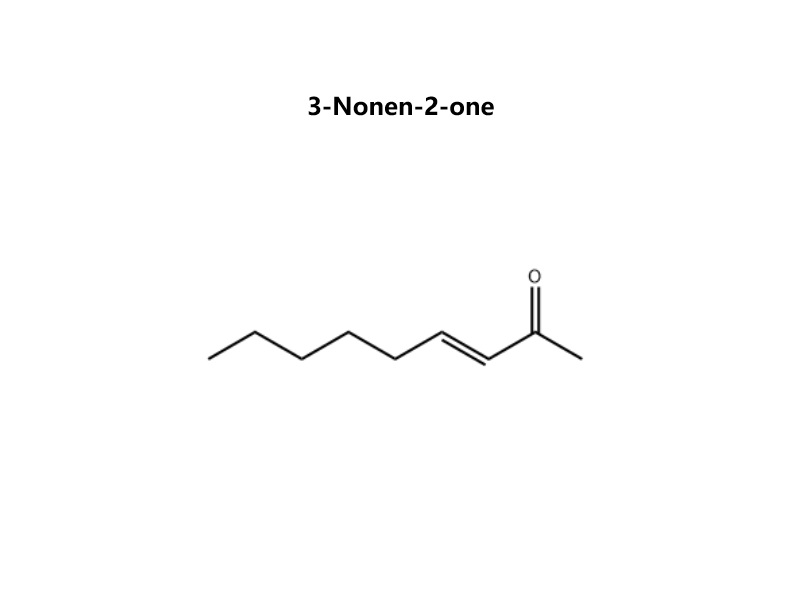

3-Nonen-2-one CAS 18402-83-0é um cetona potente, insaturada, com sabor e aroma característicos.Essencial para criar notas frescas, verdes e que lembram pepino. Sua alta potência e perfil sensorial único o tornam indispensável para alcançar naturalidade em sabores e modernidade em fragrâncias. O armazenamento adequado em condições inertes e frias é crucial para manter sua estabilidade e qualidade olfativa. Quando usado nas baixas concentrações recomendadas, é um ingrediente seguro e eficaz, em conformidade com as principais regulamentações de aromas e fragrâncias.
Nome :
3-Nonen-2-oneNº CAS. :
18402-83-0MF :
C₉H₁₆OMW :
140.22Pureza :
97%Aparência :
Colorless to pale yellow liquid.Condição de armazenamento :
Store in airtight, sealed containers under an inert atmosphere (nitrogen), protected from light, and refrigerated (2-8°C).Propriedades Químicas
Nome IUPAC: (E)-Non-3-en-2-ona (isômero majoritário); frequentemente referida como 3-Nonen-2-ona
Número de registro CAS: 18402-83-0
Fórmula molecular: C₉H₁₆O
Peso molecular: 140,22 g/mol
Estrutura química: Uma metilcetona insaturada que apresenta uma ligação dupla carbono-carbono entre os carbonos 3 e 4, e um grupo cetona no carbono 2. Tipicamente existe como uma mistura de isômeros geométricos E e Z, sendo o isômero E mais comum e organolepticamente significativo.
Aparência: Líquido incolor a amarelo pálido.
Característica principal: Um α,β-cetona insaturada (enona) com uma cadeia alquílica média, combinando a reatividade de uma enona com a volatilidade e as propriedades odoríferas de uma cetona de sabor/fragrância.
Estado físico: Líquido à temperatura ambiente.
Ponto de ebulição: ~80-82 °C a 15 mmHg; ~200-202 °C à pressão atmosférica (estimativa).
Densidade: ~0,84-0,86 g/mL a 20 °C.
Índice de refração: n²⁰/D ~1,440-1,445.
Solubilidade:
Solúvel em álcoois, óleos e a maioria dos solventes orgânicos (etanol, éter dietílico, acetona, óleos graxos).
Solubilidade muito baixa. na água.
Odor: Odor característico de gordura, verde, semelhante ao pepino e à casca de melão, com nuances cerosas. O eisômero é frequentemente descrito como mais fresco e com aroma de pepino.
Reatividade e estabilidade:
Cetona α,β-insaturada: Pode sofrer adições de Michael, reações de Diels-Alder e reduções.
Sensibilidade à luz e ao oxigênio: Pode polimerizar ou degradar-se com a exposição prolongada ao ar e à luz. Recomenda-se armazenar sob gás inerte.
Inflamabilidade:Líquido combustível.
Atividades Biológicas
Ocorrência natural e papel sensorial: Encontrado como componente volátil em traços em pepinos, melões, e algumas outras frutas. Contribui para o aroma fresco e verde característico desses alimentos.
Percepção de sabor e aroma: Atua como um composto aromático chave Com um limiar de odor muito baixo, transmite notas frescas, gordurosas e esverdeadas, que lembram pepino.
Potencial atividade antimicrobiana: Algumas enonas de cadeia média exibem propriedades antimicrobianas leves, mas os dados específicos para esse composto são limitados.
Toxicidade: Com base em cetonas semelhantes, espera-se que apresente toxicidade aguda baixa a moderada. Pode causar irritação na pele e nos olhos. Não é classificado como um risco ambiental significativo.
Biossíntese
Biossíntese Natural: Em plantas como o pepino, acredita-se que seja formado através de via da lipoxigenaseseguida pela clivagem de hidroperóxidos de ácidos graxos (por exemplo, do ácido linoleico ou linolênico).
Síntese Industrial: Produzido via síntese químicaAs rotas comuns incluem:
1. Condensação aldólica: Entre heptanal e acetona, seguido de desidratação.
2. Oxidação do 3-nonen-2-ol.
3. Rotas especializadas para controlar a proporção E/Zisomer para perfis de odor específicos.
Aplicações



Principais vantagens e benefícios
1. Perfil olfativo único de duplo impacto: Como uma cetona α,β-insaturada (enona), ela fornece um Complexa mistura de notas de topo frescas de pepino/casca de melão com um corpo profundo, gorduroso e ceroso.Essa dupla característica permite que o produto proporcione tanto frescor imediato quanto uma sensação duradoura na boca ou profundidade olfativa, a partir de um único ingrediente.
2. Potência e Eficácia Excepcionais: Tem um Limiar de odor e sabor extremamente baixoAs concentrações efetivas geralmente estão na faixa de faixa baixa de partes por milhão (ppm), garantindo um alto custo de utilização e mínima interferência com outras notas delicadas em uma formulação.
3. Essencial para a Autenticidade Natural: Como um composto de impacto de personagem chaveEncontrado naturalmente em pepinos e melões, seu uso é essencial para a criação de sabores naturais realistas e de alta qualidade. Ele proporciona uma autenticidade que as notas "verdes" genéricas não conseguem replicar.
4. Desempenho versátil em diversas mídias: Apresenta boa estabilidade e desempenho em ambos os aspectos. sistemas à base de óleo e à base de álcool, tornando-o adequado para uma ampla gama de aplicações, desde aromas para bebidas até perfumaria fina.
🎯 Cenários de Aplicação Específicos
Para um especialista em sabores que cria um produto à base de plantas: Desenvolvendo um Sabor realista e fresco de pepino para uma alternativa ao iogurte.Adicionando 3-Nonen-2-ona a 2-5 ppmProporciona a nota crucial e reconhecível da casca verde que torna o sabor autêntico e o distingue de um perfil insosso de "vegetal verde", impactando diretamente a preferência do consumidor.
Para um perfumista que cria uma fragrância moderna: Construindo um acorde aquático refrescante ou "verde orvalhado"Para um produto de higiene pessoal. O uso de uma quantidade ínfima (~0,05%) dessa cetona adiciona uma nuance natural e aquosa de pepino que eleva toda a composição, evocando limpeza e frescor sem um caráter artificial ou de sabão.
Para uma aplicação com sabor salgado: Aprimorando o nota de "creme fresco" ou "amanteigada"Com um sabor delicioso, ideal para aperitivos ou molhos. Usado em nível abaixo do limiar (0,5-2 ppm)Ele equilibra os perfis de gordura, adicionando uma camada de riqueza e complexidade natural semelhante à dos laticínios, o que realça a plenitude do sabor geral.
3-Nonen-2-one é uma ferramenta especializada para autenticidade, não apenas mais uma nota verde. Enquanto o trans-2-hexenal proporciona um sabor herbáceo intenso e passageiro, e os ésteres genéricos oferecem um sabor frutado simples, esta cetona proporciona... caráter fresco e gorduroso específico, cheio de nuances e duradouro que define os sabores premium de pepino e melão. Sua estrutura química única se traduz diretamente em um impacto sensorial único, tornando-o Insustituível para alcançar o naturalismo em trabalhos sofisticados de aromas e fragrâncias. Para o formulador criativo, é a chave para revelar o frescor e a complexidade genuínos da natureza.
Perguntas frequentes
Q1: Qual é a principal utilização do 3-nonen-2-ona?
A: Seu uso principal é como um substância química aromática de alto impacto Em aromas e fragrâncias, é essencial para reproduzir as notas frescas, verdes e semelhantes ao pepino encontradas na natureza, sendo utilizado para adicionar notas de topo realistas e complexidade às fórmulas.
Q2: Qual é a descrição típica do odor e o nível de uso?
A: Tem um odor forte, verde-gorduroso, de casca de pepino/melãoEm termos de sabores, os níveis de uso típicos são extremamente baixo, geralmente entre 0,1 e 10 ppm.Em fragrâncias, é usado em quantidades mínimas (<0,1%) devido à sua potência.
Q3: Qual o grau de pureza e a proporção isomérica que vocês fornecem?
A: Nós fornecemos:
Nota F&F: Pureza ≥95% (por GC), com uma proporção E/Zisomérica especificada (ex.: Eisômero ≥85%) para garantir um perfil de odor consistente.
Grau técnico: Pureza ≥90% para aplicações sintéticas.
Todos os lotes incluem um Certificado de Análise (CoA) com dados de GC e avaliação organoléptica para grau F&F.
Q4: Como deve ser armazenado para manter a estabilidade e a qualidade do odor?
A: Armazene em Recipientes hermeticamente fechados sob atmosfera inerte (nitrogênio), protegidos da luz e refrigerados (2-8°C). Isso minimiza a oxidação e a polimerização, preservando seu perfil de aroma fresco. O prazo de validade é normalmente de 12 a 18 mesessob essas condições.
Q5: É aprovado para uso em alimentos e cosméticos?
A: Está listado no FEMA GRAS (FEMA nº 4672) e é aprovado por JECFAPara uso como agente aromatizante. Para fragrâncias, está em conformidade com Diretrizes da IFRA. No entanto, A conformidade final é de responsabilidade do usuário final. de acordo com as regulamentações locais (ex.: FDA, UE).
Q6: O isômero natural está disponível?
A: A (E)-3-nonen-2-ona natural é encontrada na natureza, mas seu isolamento é dispendioso. Nosso produto padrão é produzido sinteticamente e otimizado para odor. Podemos discutir o fornecimento ou a síntese de um "idênticos à natureza"Material que atenda aos critérios regulamentares para rotulagem como "natural" em determinadas jurisdições, sujeito à viabilidade."
Q7: CVocês podem fornecer proporções isoméricas ou derivados personalizados?
A: SimOferecemos:
Proporções E/Zisoméricas personalizadas Adaptado às suas necessidades específicas de odor.
Aumento da produção De gramas para quilogramas.
Derivados relacionadoscomo o 3-nonen-2-ol (o álcool correspondente).
Q8: Quais são os cuidados de manuseio e as precauções de segurança?
A: É um líquido combustívele pode causar irritação da pele e dos olhosUtilize em local com ventilação adequada e use EPI apropriado (luvas, óculos de segurança). Evite o contato com oxidantes fortes. Consulte as instruções fornecidas. Ficha de Dados de Segurança (FDS)Para obter detalhes completos.
Q9: Qual é o prazo de entrega e a quantidade mínima de encomenda (MOQ)?
A:
Amostras (5g, 25g): Disponível em estoque ou dentro de 1 a 2 semanas.
Encomendas em grande quantidade (100g ou mais): Prazo de entrega de 3-4 semanas.
Quantidade mínima de encomenda: 25g para Grau F&F, 100g para Grau Técnico.
Q10: Como ele se comporta em diferentes meios (óleos, água, etanol)?
A: É Solúvel em óleos e etanol.Isso o torna adequado tanto para concentrados de aroma/fragrância à base de óleo quanto à base de álcool. Em sistemas aquosos, apresenta solubilidade muito baixa e requer solubilizantes apropriados ou tecnologia de emulsão para uso eficaz.
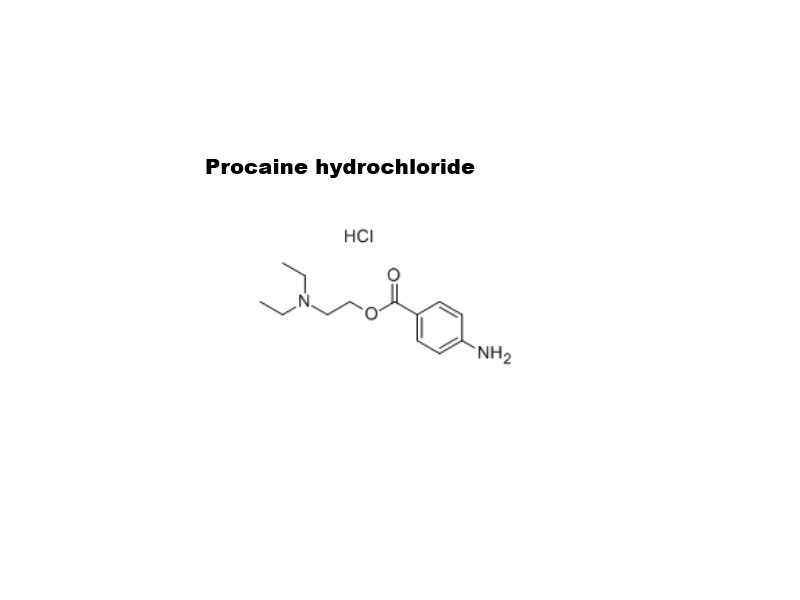
Cloridrato de Procaína CAS 51-05-8 é o sal cloridrato de procaína solúvel em água. É a formulação específica usada na medicina clínica, comercializada sob a famosa marca Procaína.NovocaínaEmbora seu uso na prática clínica tenha diminuído, continua sendo um medicamento historicamente fundamental e ainda é empregado em contextos médicos e terapêuticos específicos.
Detalhes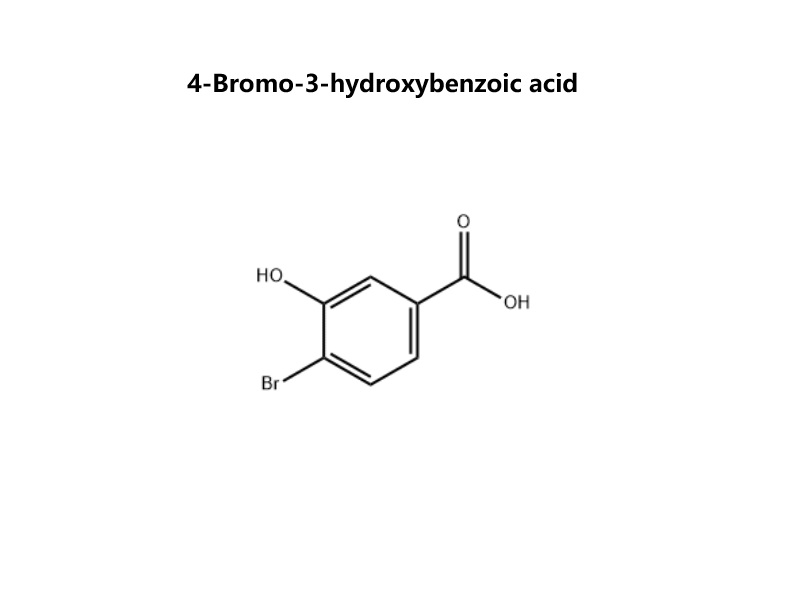
Ácido 4-bromo-3-hidroxibenzoico CAS 14348-38-0 é um Bloco de construção aromático multifuncional premium Projetada para síntese orientada à complexidade. Seu principal valor reside no posicionamento estratégico de três grupos funcionais distintos e ortogonalmente reativos em um anel benzênico, tornando-a uma ferramenta indispensável para a construção molecular convergente em pesquisa e desenvolvimento avançados.
Detalhes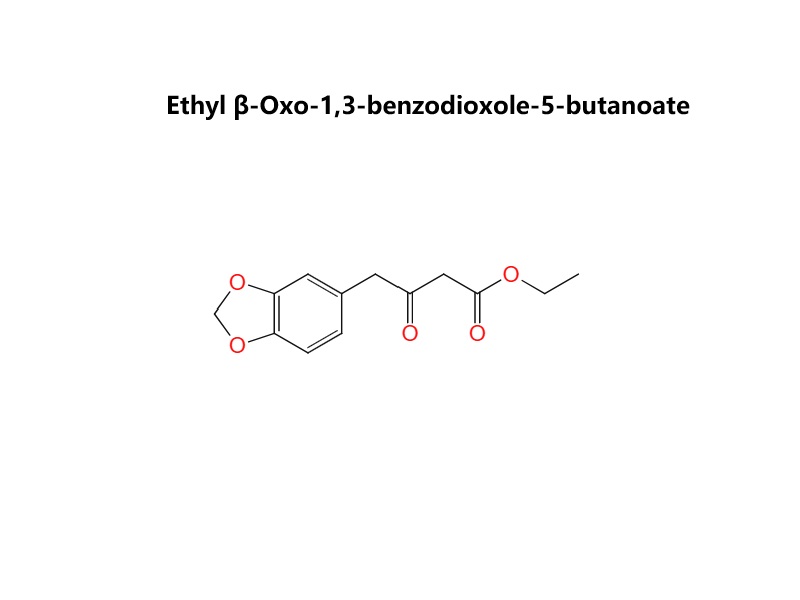
β-Oxo-1,3-benzodioxol-5-butanoato de etila CAS 31127-23-8 é um Derivado β-cetoéster apresentando um Sistema aromático 1,3-benzodioxol (metilenodioxifenil)Estruturalmente, consiste em um anel benzodioxol ligado por uma cadeia de três carbonos a um grupo funcional etil β-cetoéster (-CO-CH₂-COOEt). Isso o torna um bloco de construção bifuncional versátil Para síntese orgânica, combinando as propriedades eletrônicas do grupo benzodioxol com a alta reatividade de um β-cetoéster.
Detalhes![4-Nitrophenyl 3-(Benzo[d][1,3]dioxol-5-yl)-2-methylpropanoate](https://pt.qixiolivetol.com/storage/uploads/images/202604/17/1776427287_qZy87IjHSQ.jpg)
4-Nitrofenil 3-(Benzo[d][1,3]dioxol-5-il)-2-metilpropanoato é um agente acilante pré-ativado e quiralmente definido que combina um farmacóforo benzo[1,3]dioxol (piperonil) metabolicamente estável com a reatividade excepcional de um éster 4-nitrofenil. Permite a introdução eficiente e sem racemização de uma porção ácida quiral complexa em condições brandas, tornando-se indispensável para síntese química avançada e bioconjugação.4-Nitrofenil 3-(Benzo[d][1,3]dioxol-5-il)-2-metilpropanoato É um éster especial projetado como um intermediário bioquímico ou sintético reativo. Sua estrutura combina estrategicamente três unidades principais:(1)A Ácido 3-(benzo[1,3]dioxol-5-il)-2-metilpropanoico fração (ácido quiral substituído por piperonila).(2)A 4-nitrofenil éster saindo do grupo.Esse design o torna um éster ativado, onde o 4-nitrofenol é um excelente grupo de saída, facilitando reações de transferência de acila eficientes em condições brandas.
Detalhes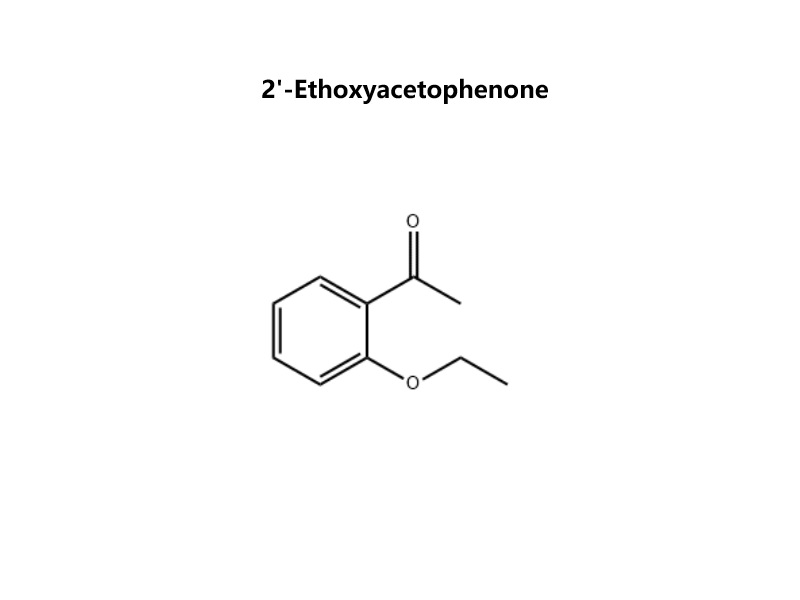
2'-Etoxiacetofenona CAS 2142-67-8 É uma cetona aromática especializada, caracterizada por um substituinte etóxi na posição orto em relação ao grupo acetil. Essa característica estrutural confere propriedades químicas e físicas distintas, tornando-a um bloco de construção privilegiado para a síntese de moléculas complexas, particularmente nos setores de aromas/fragrâncias e farmacêutico.
Detalhes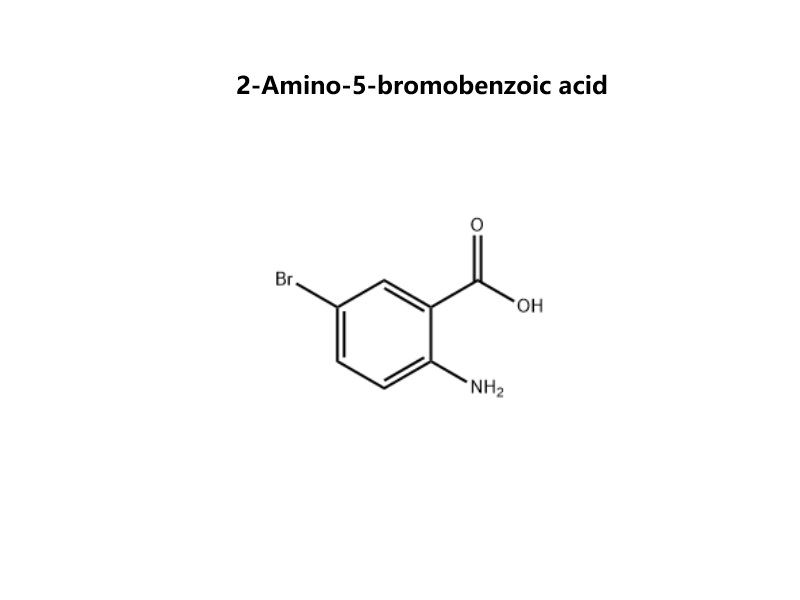
Ácido 2-amino-5-bromobenzoico CAS 5794-88-7 É um bloco de construção aromático altamente versátil que integra três grupos funcionais distintos — uma amina, um ácido carboxílico e um brometo de arila — em uma única estrutura sinteticamente valiosa. Essa multifuncionalidade o torna um intermediário crucial na química farmacêutica e de materiais avançados.
Detalhes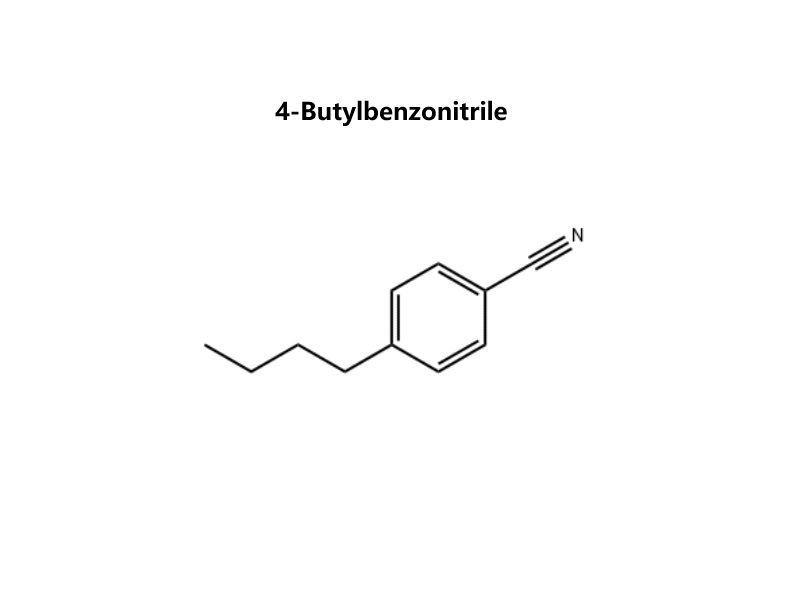
4-Butilbenzonitrila CAS 20651-73-4É um bloco de construção hidrofóbico estrategicamente projetado que combina um núcleo aromático rígido com uma cadeia alquílica linear flexível e um grupo funcional nitrila altamente versátil. Essa tríade de características o torna um intermediário excepcionalmente valioso para modular propriedades físico-químicas e viabilizar diversas vias sintéticas em pesquisas avançadas de materiais, produtos farmacêuticos e agroquímicos.
Detalhes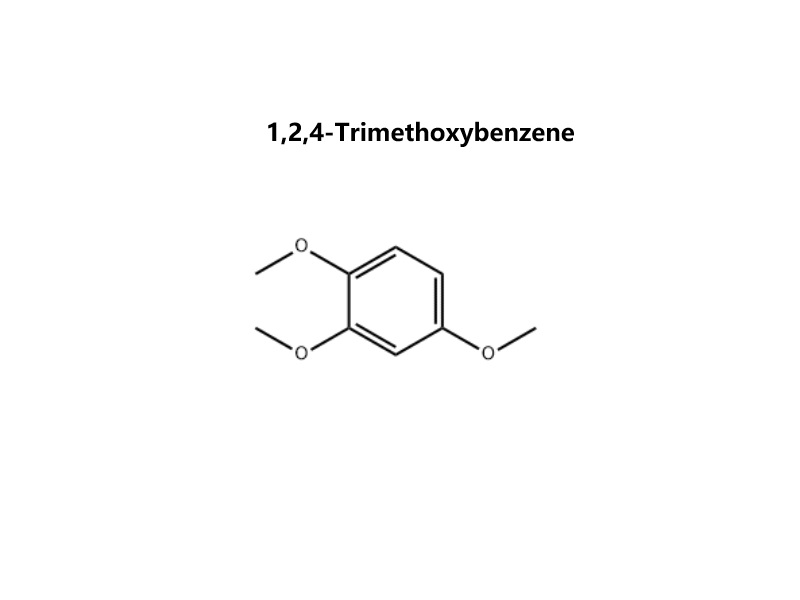
1,2,4-Trimetoxibenzeno CAS 135-77-3 É um bloco de construção aromático singularmente versátil e rico em elétrons. Seu principal valor reside em seu padrão de substituição assimétrico, porém altamente previsível, que proporciona um controle regioseletivo excepcional em síntese orgânica. Isso o torna uma estrutura privilegiada para a construção de moléculas complexas nas áreas farmacêutica, agroquímica e de materiais avançados.
Detalhes
 CONTATE-NOS
 1st Floor, No. 477, Huancheng West Road, Nanqiao Town, Fengxian District, Shanghai,China
 sales@qxscientific.com
 +86 -13701740203


 IPv6 SUPORTADO POR REDE
|
Mapa do site
|
XML |
Blogue |
política de Privacidade
IPv6 SUPORTADO POR REDE
|
Mapa do site
|
XML |
Blogue |
política de Privacidade
Deixe um recado
Scan to Wechat/Whatsapp :



 Português
 English
 Español
 Português